Course Objectives
1. What will I learn in SAP Testing?
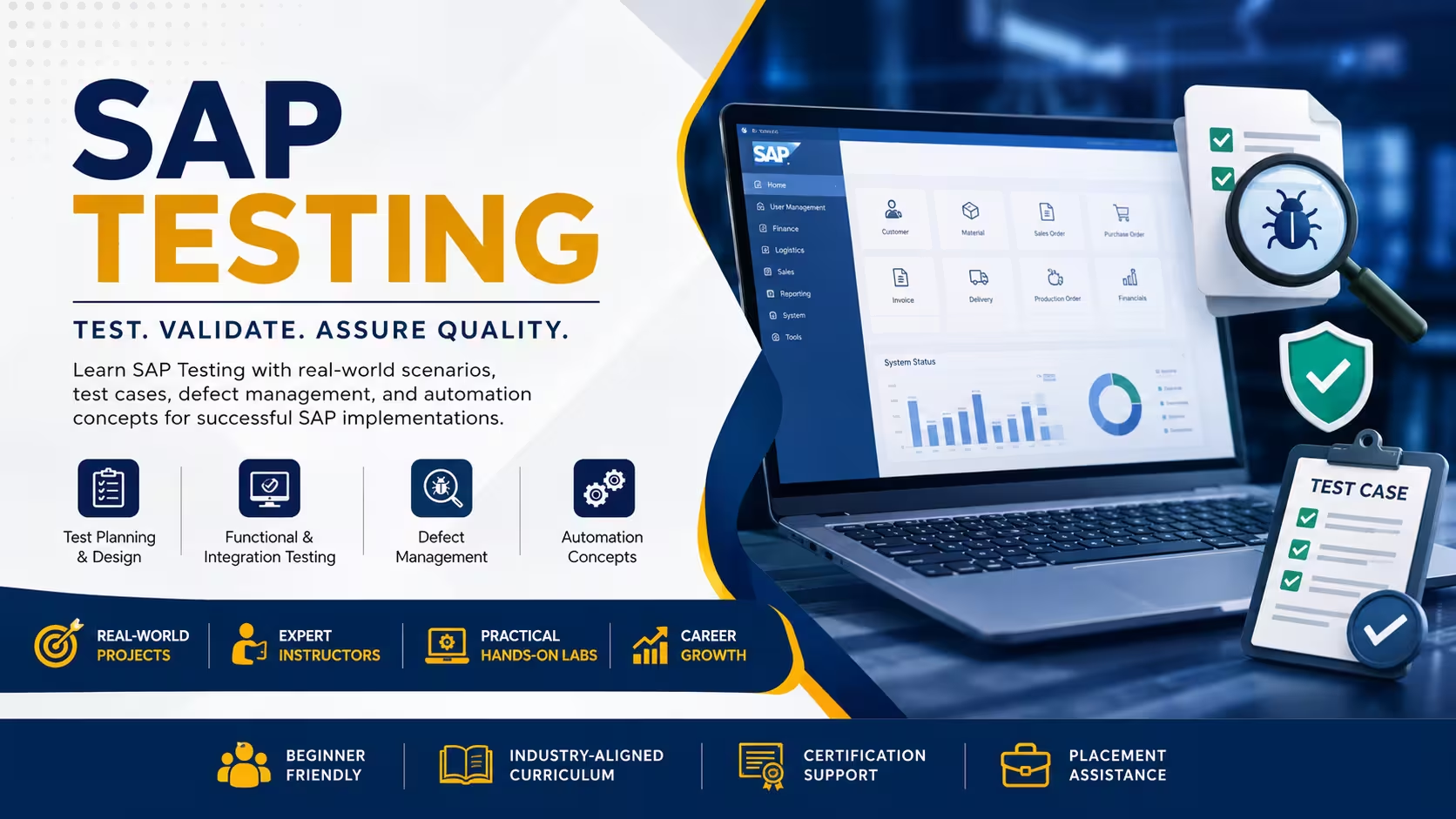
You will learn how to plan, design, execute, and document testing activities across SAP applications and business processes. The training covers functional testing, integration testing, regression testing, UAT, defect management, and end-to-end SAP validation.
2. How will SAP Testing training improve my testing skills?
The course helps you understand how SAP testing teams validate business requirements, transactions, configurations, integrations, and data. You will gain practical experience with test cases, test scenarios, defect reporting, retesting, and quality validation.
3. Will I gain practical experience through SAP Testing projects?
Yes. You will work on realistic SAP testing scenarios involving requirement analysis, test planning, test case preparation, functional testing, integration testing, defect management, regression testing, and user acceptance testing.
4. Is SAP Testing useful for building a career in QA?
Yes. SAP Testing combines software quality assurance practices with SAP business process knowledge, making it a valuable specialization for QA professionals and testers. The course can help you prepare for SAP testing, quality assurance, application support, and related project roles.
5. What career benefits can I gain from SAP Testing?
The training helps you develop practical knowledge of SAP testing methodologies, business process validation, test management, defect analysis, and testing tools. These skills can support career opportunities across SAP implementations, upgrades, migrations, integrations, and application support projects.
Popular Techniques Covered in This Course
SAP Testing Fundamentals
Test Planning
Test Case Design
Test Data Management
Functional Testing
Integration Testing
Regression Testing
UAT Testing
Defect Management
SAP Test Automation
Get Hands-on Knowledge about Real-Time Projects
Project 1
SAP Business Process Testing Project
Work on an end-to-end SAP business process testing scenario covering requirement analysis, test scenario identification, test case creation, test execution, and result validation. This project helps learners understand how business processes are tested across SAP environments.
Project 2
SAP Functional Testing Project
Perform functional testing of SAP transactions and business workflows by validating input data, system responses, configurations, and expected results. Learners practice documenting test cases and identifying functional issues.
Project 3
SAP Integration Testing Project
Test the flow of data between SAP modules and connected systems. The project covers integration scenarios, data validation, interface testing, error identification, and end-to-end business process verification.
Project 4
SAP Regression Testing Project
Create and execute regression test scenarios following system changes or enhancements. Learners practice impact analysis, test suite preparation, retesting, defect validation, and release-quality verification.
Project 5
End-to-End SAP Testing Project
Complete a comprehensive SAP testing project covering test planning, test case design, test data preparation, functional testing, integration testing, defect reporting, regression testing, UAT, and final test reporting.
Key Features
Edubrights offers SAP Testing in virtual mode with expert trainers. Here are the key features,
40 Hours Course Duration
100% Job Oriented Training
Industry Expert Faculties
Free Demo Class Available
Completed 500+ Batches
Certification Guidance
Curriculum
Module 1: Introduction to SAP Testing
- SAP Testing Fundamentals
- Importance of Testing in SAP Projects
- SAP Application Landscape
- SAP Implementation Lifecycle
- Testing Roles and Responsibilities
- SAP Functional vs Technical Testing
- Testing Challenges in SAP Environments
- Software Testing Fundamentals
Module 2: SAP Testing Methodologies & Test Planning
- SAP Testing Lifecycle
- Test Strategy and Test Planning
- Testing Scope Definition
- Test Environment Preparation
- Test Entry and Exit Criteria
- Test Execution Planning
- Test Metrics and Reporting
- SAP Testing Best Practices
Module 3: SAP Business Process Testing
- Understanding SAP Business Processes
- Requirement Analysis
- Business Process Mapping
- End-to-End Process Validation
- Test Scenario Identification
- Business Process Dependencies
- Positive and Negative Testing
- Real-World SAP Business Scenarios
Module 4: Test Case Design & Test Data Management
- Test Case Fundamentals
- Test Scenario Creation
- Test Case Design Techniques
- Test Steps and Expected Results
- Test Data Preparation
- Master Data Validation
- Test Data Management
- Test Case Documentation
Module 5: SAP Functional Testing
- Functional Testing Concepts
- SAP Module-Based Testing
- SAP Transaction Testing
- Configuration Validation
- Business Rule Validation
- Input and Output Verification
- Positive and Negative Testing
- Functional Test Execution
Module 6: SAP Integration & Interface Testing
- SAP Integration Testing
- End-to-End Integration Scenarios
- Module-to-Module Testing
- Interface Testing
- API and Data Exchange Concepts
- External System Integration
- Data Flow Validation
- Integration Defect Analysis
Module 7: SAP Regression & Retesting
- Regression Testing Fundamentals
- Regression Test Planning
- Impact Analysis
- Retesting Defects
- Test Suite Management
- Regression Test Data
- Automated Regression Concepts
- Release Validation
Module 8: SAP User Acceptance & Performance Testing
- User Acceptance Testing
- UAT Planning
- Business User Validation
- Acceptance Criteria
- Performance Testing Fundamentals
- Load and Stress Testing Concepts
- SAP Performance Validation
- UAT Defect Management
Module 9: SAP Defect Management & Test Reporting
- Defect Lifecycle
- Defect Identification
- Defect Classification
- Severity and Priority
- Defect Documentation
- Root Cause Analysis
- Defect Retesting
- Test Execution Reports
- Quality Metrics
Module 10: SAP Testing Tools & Automation
- SAP Testing Tools Overview
- Test Management Tools
- SAP Solution Manager Testing Concepts
- Tricentis Tosca for SAP Testing
- Test Automation Fundamentals
- Automated Test Case Design
- Automation Framework Concepts
- Manual vs Automated Testing
Module 11: Real-Time SAP Testing Project
- SAP Implementation Testing Scenario
- Requirement Analysis
- Test Planning
- Test Case Preparation
- Test Data Creation
- Functional Test Execution
- Integration Testing
- Defect Reporting
- Regression Testing
- UAT Validation
- Final Test Reporting
Module 12: SAP Testing Best Practices & Career Preparation
- SAP Testing Best Practices
- Testing Documentation Standards
- Quality Assurance Practices
- Agile Testing Concepts
- SAP Testing Project Roles
- Real-World Testing Case Studies
- SAP Testing Interview Preparation
- Resume Preparation
- Mock Interview Guidance
- Career Development
Receive Training From Our Skilled and Effective Trainers
Learn from Experienced SAP Testing Instructors
Experience in the Industry
Learn from experienced SAP testing and quality assurance professionals with practical exposure to SAP implementations, upgrades, integrations, migrations, and enterprise testing projects. Their industry experience helps learners understand how testing teams validate SAP applications and business processes in real project environments.
Backgrounds at the Top
Our SAP Testing instructors bring expertise in functional testing, integration testing, regression testing, user acceptance testing, test management, defect lifecycle management, test automation, SAP business processes, and quality assurance methodologies. Their experience across different SAP project environments helps learners connect testing concepts with actual implementation requirements.
Clear & Effective Teaching
SAP testing concepts are explained through practical demonstrations, business scenarios, test case examples, and guided exercises. Topics such as test planning, test execution, defect reporting, integration validation, regression testing, UAT, and test automation are presented in a simple and structured way.
Hands-On Learning Focus
Develop practical testing skills through test case creation, test data preparation, SAP transaction validation, functional testing, integration testing, defect reporting, regression testing, UAT exercises, and end-to-end SAP testing projects. Learners practice documenting and managing testing activities similar to those used in enterprise projects.
Up-to-Date Knowledge
Our instructors continuously update the SAP Testing curriculum based on current SAP project practices, testing methodologies, automation approaches, Agile testing practices, quality assurance standards, and modern SAP implementation environments. This helps learners build relevant skills for today's SAP testing and quality assurance roles.
About Our Course Certification*
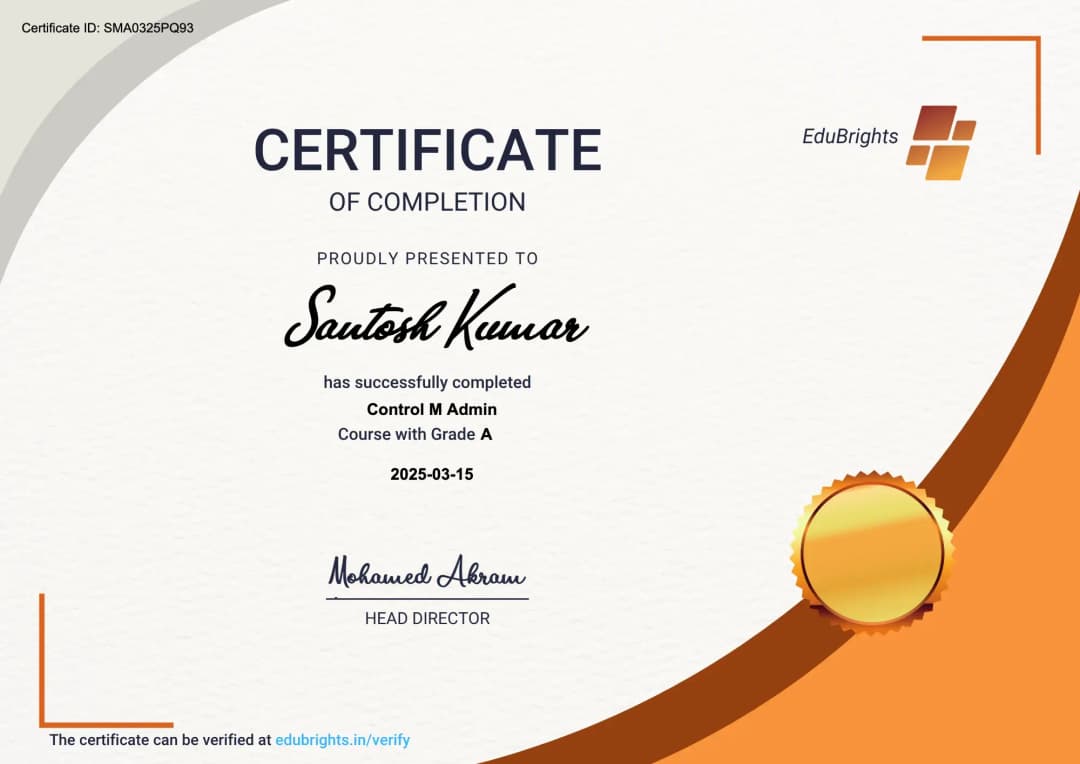
Upon successful completion of the training, learners receive the Edubrights Course Completion Certificate recognizing their learning and practical exposure to SAP Testing. The training covers test planning, test case design, functional testing, integration testing, regression testing, UAT, defect management, test reporting, test automation concepts, and SAP testing tools. The combination of structured learning, practical exercises, and project-based training helps learners build a stronger understanding of SAP quality assurance processes and prepare for relevant testing and SAP project environments.
Course FAQs
1. What is SAP Testing?
SAP Testing is the process of validating SAP applications, business processes, configurations, integrations, data, and transactions to ensure they meet defined business requirements. It includes functional testing, integration testing, regression testing, user acceptance testing, performance testing, and defect management. SAP Testing helps organizations identify issues before systems, upgrades, or new features are moved into production.
2. Who can join an SAP Testing course?
SAP Testing training is suitable for students, freshers, software testers, QA professionals, SAP consultants, business analysts, IT professionals, application support professionals, and working professionals. People with software testing or SAP knowledge may find the concepts easier to understand, but beginners can also start with the fundamentals and gradually develop SAP-specific testing skills.
3. What are the prerequisites for learning SAP Testing?
There are no strict prerequisites for learning the fundamentals of SAP Testing. Basic knowledge of software testing, SAP, ERP systems, databases, or business processes can be helpful. The course generally starts with testing fundamentals and gradually introduces SAP testing methodologies, test case design, business process validation, defect management, and testing tools.
4. Is SAP Testing suitable for beginners?
Yes, SAP Testing can be learned by beginners who have an interest in software quality assurance and enterprise applications. The training can start with basic testing concepts before progressing to SAP business processes, test planning, functional testing, integration testing, regression testing, UAT, defect management, and automation concepts.
5. How long does SAP Testing training take?
The duration depends on the course curriculum, batch schedule, training format, and practical coverage. Weekday, weekend, online, and corporate training programs may have different schedules. A comprehensive program generally combines instructor-led sessions with hands-on exercises, assignments, testing scenarios, and project-based learning.
6. What will I learn in SAP Testing training?
You will learn test planning, test scenario creation, test case design, test data preparation, functional testing, integration testing, regression testing, UAT, defect management, test reporting, and SAP test automation concepts. You will also understand how testing teams validate SAP business processes and applications during implementations, upgrades, migrations, and system changes.
7. Does SAP Testing training include practical exercises?
Yes. Practical exercises can include creating test cases, preparing test data, validating SAP transactions, executing functional tests, testing integrations, documenting defects, performing regression testing, and validating business processes. These activities help learners understand how testing methodologies are applied in real SAP project environments.
8. Will I work on real-time SAP Testing projects?
The course can include realistic project scenarios based on common SAP implementation, upgrade, integration, and support activities. Projects may cover requirement analysis, test planning, test case preparation, execution, defect reporting, retesting, regression testing, UAT, and final test reporting.
9. Which SAP testing tools are covered?
SAP Testing programs may introduce tools and platforms used for test management and automation, depending on the training environment. Common areas include SAP Solution Manager testing concepts, Tricentis Tosca for SAP testing, test management practices, automation fundamentals, and automated test case design.
10. What is SAP functional testing?
SAP functional testing verifies whether SAP applications and business processes perform according to the specified functional requirements. Testers validate transactions, configurations, business rules, inputs, outputs, workflows, and expected results to identify functional issues before the system is released or updated.
11. What is SAP integration testing?
SAP integration testing verifies whether different SAP modules and connected applications exchange information correctly. It focuses on end-to-end data flow, interfaces, module-to-module processes, external systems, and business workflows to ensure that integrated processes work correctly across the SAP landscape.
12. What is regression testing in SAP?
SAP regression testing checks whether existing functionality continues to work correctly after system changes, upgrades, patches, configurations, or new developments. Testers execute selected test scenarios to identify unintended effects and confirm that previously working business processes remain stable.
13. Does SAP Testing certification help with career development?
A relevant SAP, software testing, or quality assurance certification can complement practical testing experience and demonstrate knowledge of testing methodologies. Certification alone does not guarantee employment, but when combined with hands-on projects, SAP knowledge, and strong testing skills, it can strengthen a learner's professional profile.
14. What career opportunities are available after SAP Testing training?
Depending on your qualifications and experience, you can explore roles such as SAP Tester, SAP QA Analyst, SAP Test Analyst, SAP Functional Tester, SAP Automation Tester, SAP Test Engineer, QA Analyst, SAP Application Support Analyst, and SAP Quality Assurance Consultant. Career opportunities vary based on employer requirements and your existing SAP and testing experience.
15. What is the future scope of SAP Testing?
SAP Testing continues to be relevant as organizations adopt SAP S/4HANA, cloud solutions, integrations, system upgrades, migrations, and digital transformation initiatives. These projects require testing of business processes, data, integrations, and application functionality. Professionals who combine SAP knowledge with testing, automation, and quality assurance skills can build relevant expertise for modern SAP project environments.
Get Training Quote for Free
Testimonials
Hear What Our Students Say
"Transform your life through Education, hear it from our Alumni"

8 LPA
Rahul
Student
Data Scientist
"Transform your life through Education, hear it from our Alumni"

6 LPA
Fathima
Student
Software Engineer
"Transform your life through Education, hear it from our Alumni"

8 LPA
Siddharth
NIELSON IQ
Data Analyst