Course Objectives
1. What will you learn in the Cloud Computing course?
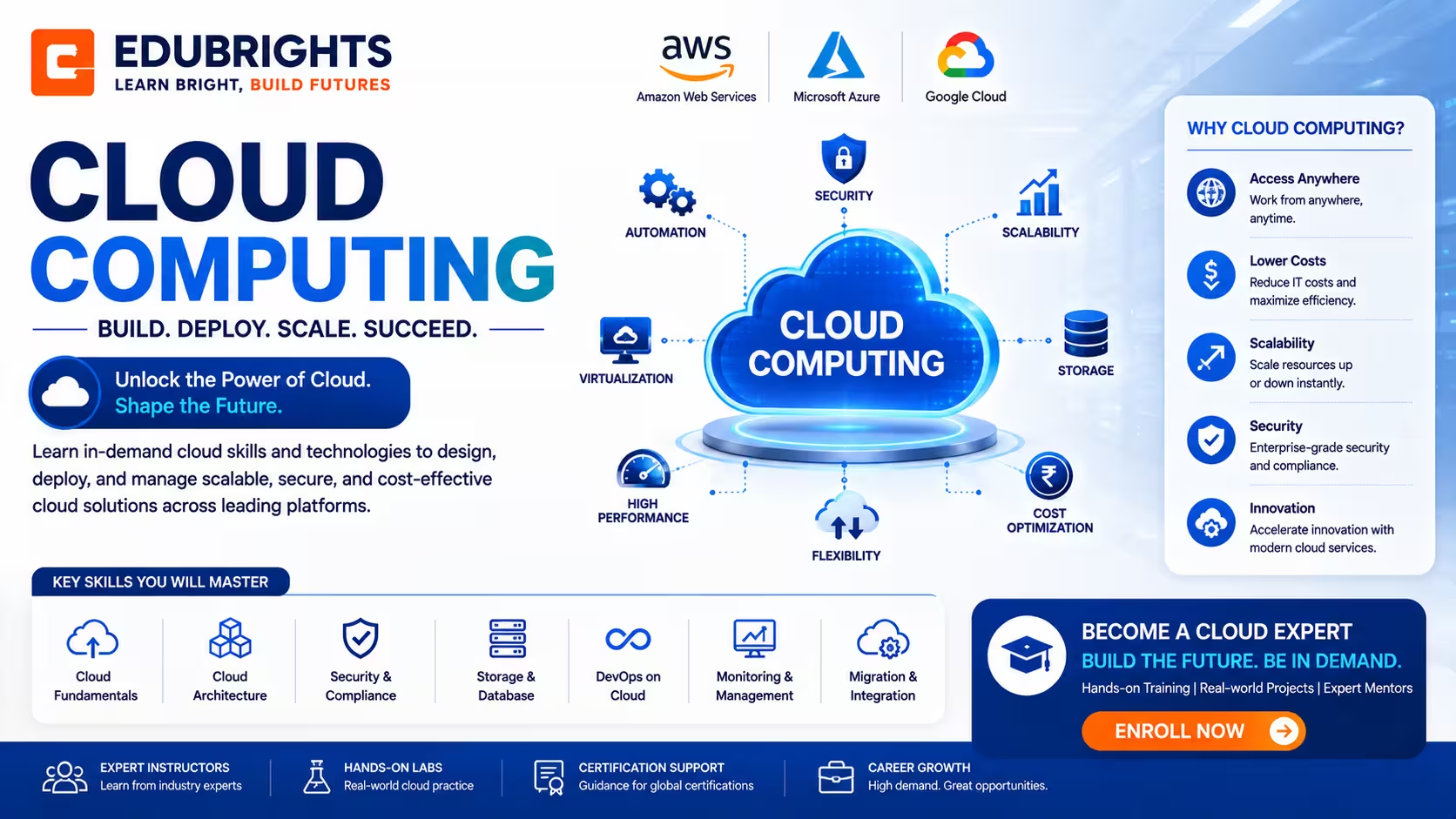
You will learn the fundamentals of cloud computing, including cloud architecture, virtualization, cloud deployment models, storage, networking, security, and cloud services offered by leading platforms such as AWS, Microsoft Azure, and Google Cloud.
2. How does this course prepare you for real-world cloud projects?
The course provides hands-on experience in deploying cloud resources, managing virtual machines, configuring cloud storage, implementing networking solutions, securing cloud environments, and monitoring cloud infrastructure.
3. What practical skills will you develop during the training?
You will gain expertise in cloud infrastructure, virtualization, cloud networking, storage management, identity and access management (IAM), cloud security, resource monitoring, and cloud deployment best practices.
4. How will real-time projects improve your cloud computing skills?
You will work on practical projects involving cloud infrastructure deployment, website hosting, cloud storage management, virtual network configuration, and cloud security implementation.
5. What career opportunities can you pursue after learning Cloud Computing?
This course prepares you for roles such as Cloud Engineer, Cloud Administrator, Cloud Support Engineer, Cloud Solutions Associate, Infrastructure Engineer, DevOps Associate, System Administrator, and Cloud Operations Engineer.
Popular Techniques Covered in This Course
1.Virtualization and containers
2.Cloud concepts and architecturet
3.Cloud storage and networking
4.DevOps and automation
5.Infrastructure as Code
6.Monitoring and optimization
7.Multi-cloud and hybrid deployments
8.Serverless and edge computing
9.Certification exam readiness
10.Cost management and optimization
Get Hands-on Knowledge about Real-Time Projects
Project 1
Project 1: Cloud-Based Website Hosting
Deploy and manage a business website using cloud virtual machines, storage services, networking, and security configurations.
Project 2
Project 2: Virtual Network and Infrastructure Setup
Create a secure cloud infrastructure by configuring virtual networks, subnets, firewalls, load balancing, and virtual machines.
Project 3
Project 3: Cloud Storage and Backup Solution
Implement cloud storage, automated backups, file sharing, data synchronization, and disaster recovery for business applications.
Project 4
Project 4: Secure Cloud Environment
Configure Identity and Access Management (IAM), security groups, encryption, multi-factor authentication (MFA), and monitoring for cloud resources.
Project 5
Project 5: Cloud Infrastructure Monitoring Dashboard
Build a monitoring solution to track cloud resource utilization, performance metrics, system health, alerts, and operational reports.
Key Features
Edubrights offers Cloud Computing Training in virtual mode with expert trainers. Here are the key features,
40 Hours Course Duration
100% Job Oriented Training
Industry Expert Faculties
Free Demo Class Available
Completed 500+ Batches
Certification Guidance
Curriculum
Module 1: Introduction to Cloud Computing
- Cloud concepts and service models (IaaS, PaaS, SaaS)
- Cloud deployment types (public, private, hybrid)
Module 2: Cloud Architecture and Design
- Designing scalable and fault-tolerant systems
- Multi-cloud and hybrid cloud approaches
Module 3: Virtualization and Containerization
- Virtual machines and hypervisors
- Docker and Kubernetes basics
Module 4: Cloud Storage and Databases
- Object, block, and file storage
- Cloud-native databases and data lakes
Module 5: Cloud Networking
- Virtual networks, subnets, routing
- Load balancing, CDNs, and DNS
Module 6: Cloud Security and Compliance
- Identity and Access Management (IAM)
- Encryption, firewalls, compliance frameworks
Module 7: Automation and DevOps in Cloud
- Infrastructure as Code (Terraform, CloudFormation)
- CI/CD pipelines and monitoring
Module 8: Cloud Monitoring and Optimization
- Tools for logging, monitoring, and alerting
- Cost management and performance tuning
Module 9: Emerging Cloud Technologies
- Serverless computing
- Edge computing and IoT
Module 10: Hands-on Labs and Certification Preparation
- Real-world cloud solution projects
- Preparation for industry certifications
Receive Training From Our Skilled and Effective Trainers
Experience in the Industry Gain knowledge from experts with practical Cloud Computing project experience in a variety of sectors.
Backgrounds at the Top Prominent corporations such as hcl, tcs , accenture and cognizant employ trainers.
Clear & Effective Teaching Excellent communication and real-world examples simplify complex subjects.
Hands-On Learning Focus Students can apply their abilities in real-world situations with the use of case studies and real-time projects.
Up-to-Date Knowledge Trainers stay current with the latest tools, techniques and best practices.
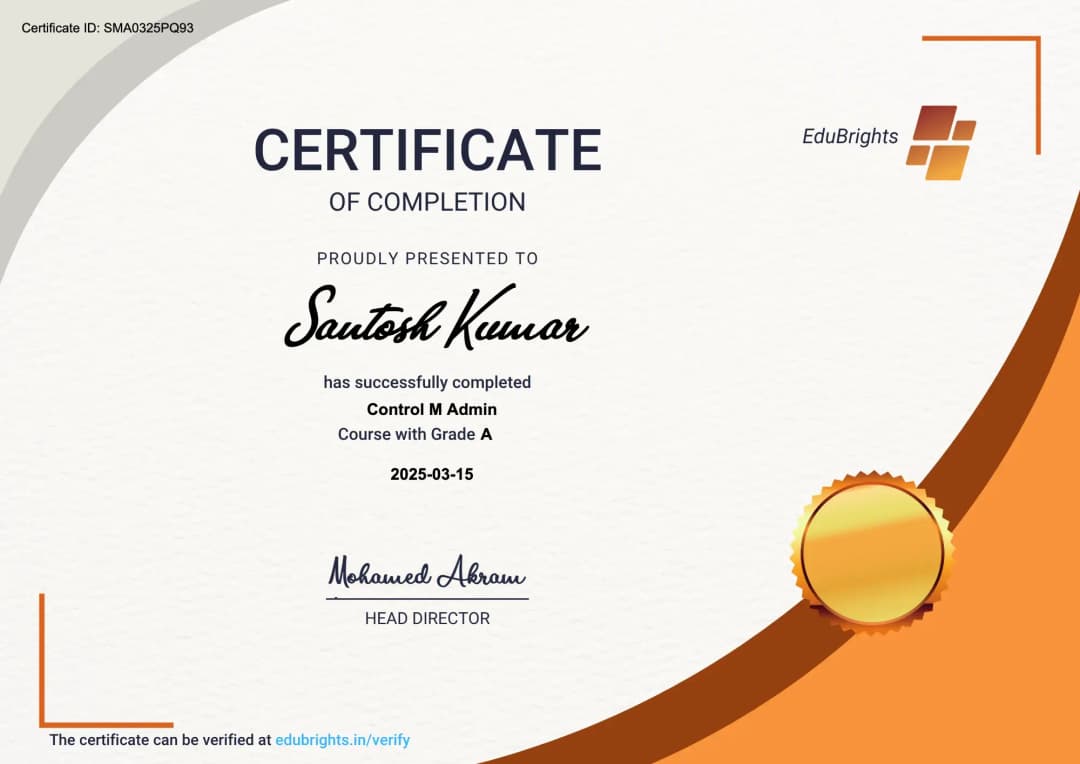
Succeed Our Resourceful Certification
Our certification validates your comprehensive knowledge and skills in cloud technologies. It prepares you for various cloud computing roles in the IT industry.
Course FAQs
Q1: What makes the cloud computing course in Chennai at Edubrights stand out?
A: Our cloud computing course in Chennai stands out due to its comprehensive, industry-aligned curriculum that covers major platforms like AWS, Microsoft Azure, and Google Cloud Platform alongside essential DevOps practices. We emphasize hands-on learning with dedicated cloud lab access, real-time enterprise projects, and cross-functional integration training. Additionally, our dedicated placement support, experienced corporate trainers, and focus on building a strong professional portfolio ensure that our students are thoroughly prepared for the competitive Chennai IT and consulting job market.
Q2: Can freshers or non-IT professionals join this cloud computing training in Chennai?
A: Absolutely, fresh graduates, non-IT professionals, and career switchers are highly encouraged to join. We start the curriculum with foundational IT, networking, and operating system concepts before gradually introducing complex cloud architectures. This structured approach ensures that even those with limited technical backgrounds can comfortably grasp cloud computing principles, build practical skills, and successfully transition into high-demand cloud engineering roles.
Q3: Does the Chennai batch cover multiple cloud platforms like AWS, Azure, and GCP?
A: Yes, our curriculum is designed to make you a versatile cloud professional by providing in-depth training on the industry’s leading platforms, including Amazon Web Services, Microsoft Azure, and Google Cloud Platform. You will learn the core services, architectural best practices, and deployment models of each, allowing you to understand multi-cloud strategies and choose the right tools for specific enterprise requirements, which is highly valued by top tech companies in Chennai.
Q4: What kind of placement support is provided for cloud computing students in Chennai?
A: We provide comprehensive, job-oriented placement assistance tailored specifically for the Chennai market. This includes personalized resume building that highlights your cloud architecture skills and project experience, LinkedIn profile optimization for tech recruiters, rigorous mock technical and HR interviews, and direct referrals to our extensive network of hiring partners, including top IT consulting firms, SaaS companies, and multinational corporations based in the city.
Q5: Who are the trainers delivering the cloud computing course in Chennai?
A: Our trainers are senior cloud architects and DevOps engineers with over a decade of hands-on experience working on live implementation, migration, and support projects in top multinational corporations. They bring real-world business challenges, industry best practices, and practical troubleshooting techniques directly into the classroom, ensuring you learn exactly what is expected in a professional corporate environment rather than just textbook theory.
Q6: Do students get hands-on cloud server access for practical practice during the training?
A: Yes, theoretical knowledge is insufficient for mastering cloud computing, which is why we provide every student with dedicated access to real-time cloud lab environments. This hands-on access allows you to practice provisioning virtual machines, configuring virtual networks, setting up storage solutions, and deploying applications in a safe, sandboxed environment without incurring personal cloud billing charges, ensuring you build practical muscle memory.
Q7: What real-time projects are included in the cloud computing curriculum?
A: You will work on multiple end-to-end real-time projects that simulate actual corporate cloud migrations and deployments relevant to Chennai’s industries. These include building a highly available web application architecture, implementing a serverless data processing pipeline, setting up a CI/CD pipeline using cloud DevOps tools, and executing a secure multi-cloud disaster recovery strategy, all of which will form a strong, verifiable portfolio for your resume.
Q8: Is DevOps and cloud security integrated into the cloud computing course?
A: Yes, modern cloud computing is inseparable from DevOps and security, which is why we integrate these critical topics directly into the core curriculum. You will learn how to implement Infrastructure as Code using tools like Terraform, automate deployments with CI/CD pipelines, and apply cloud security best practices, identity and access management, and compliance frameworks to protect cloud environments effectively.
Q9: Are there weekend or fast-track batches available for working professionals in Chennai?
A: Yes, we understand the demanding schedules of working professionals in Chennai’s IT and corporate sectors, which is why we offer dedicated weekend batches as well as fast-track weekday options. The curriculum, cloud lab access, and quality of training remain exactly the same across all batch types, ensuring you can upskill and transition into a cloud career without disrupting your current job responsibilities.
Q10: Is a free demo class available before enrolling in the Chennai cloud computing batch?
A: Absolutely, we offer a free demo class where you can experience our teaching methodology, interact with our expert trainers, and get a clear glimpse of the curriculum structure and lab environment. This session is designed to help you evaluate the quality of our training and ensure it aligns perfectly with your learning goals and career expectations before you make any enrollment commitment.
Q11: What is the typical duration of the cloud computing course in Chennai?
A: The standard duration of our cloud computing course is approximately three to four months, covering around 60 to 80 hours of intensive, structured live training and hands-on lab practice. This timeline is carefully designed to give you ample time to grasp complex architectural concepts, practice extensively on the cloud servers, and complete substantial real-time projects without feeling rushed.
Q12: Will I receive a certification upon completing the cloud computing training?
A: Yes, upon successful completion of the course and the final capstone project, you will receive an industry-recognized training certificate from Edubrights. While this certificate validates your comprehensive training, we place equal emphasis on helping you build a strong portfolio of configured scenarios and real-time projects, which together significantly boost your credibility during job interviews.
Q13: Does the course prepare students for official cloud certification exams?
A: Yes, our curriculum is explicitly aligned with the objectives of major industry certifications, such as the AWS Certified Solutions Architect, Microsoft Azure Administrator, and Google Cloud Associate Cloud Engineer exams. We provide dedicated exam preparation modules, practice tests, and strategic guidance to help you confidently navigate and pass these globally recognized certification exams, adding further credibility to your professional profile.
Q14: Is cross-platform integration and multi-cloud architecture covered in detail?
A: Yes, as enterprises increasingly adopt multi-cloud strategies to avoid vendor lock-in, we dedicate specific modules to these advanced architectures. You will learn how to connect on-premises infrastructure with public cloud environments using secure VPNs or direct connections, and understand the strategic advantages of distributing workloads across different cloud providers to optimize performance and resilience.
Q15: How does the mock interview process prepare students for real cloud job interviews?
A: We conduct rigorous, multi-stage mock interviews that simulate real technical and functional rounds conducted by top tech companies. These sessions include whiteboard architecture design questions, troubleshooting scenarios, and deep dives into your project experience. Our trainers provide detailed, constructive feedback on your answers and approach, helping you refine your technical communication and problem-solving skills under pressure.
Q16: Are study materials and cloud architecture diagrams provided?
A: Yes, we provide comprehensive, professionally curated study materials including detailed slide decks, step-by-step lab guides, cloud architecture reference diagrams, and cheat sheets for various cloud services. All these resources are accessible via our Learning Management System, allowing you to review lessons and replicate configuration steps at your own pace long after the live sessions have ended.
Q17: Is containerization and orchestration using Docker and Kubernetes covered?
A: Yes, containerization is a fundamental pillar of modern cloud-native development, and we cover it extensively. You will learn how to containerize applications using Docker, manage container registries, and deploy, scale, and orchestrate those containers in production environments using Kubernetes, which is a highly sought-after skill in today’s cloud job market in Chennai.
Q18: Will I learn about cloud cost optimization and FinOps principles?
A: Yes, managing cloud spend is a critical responsibility for cloud architects, so we include a dedicated module on cloud cost optimization and FinOps principles. You will learn how to monitor resource utilization, set up billing alerts, right-size instances, and leverage reserved or spot instances to maximize the return on investment for cloud infrastructure, a skill highly valued by enterprise clients.
Q19: Does the training include High Availability and Disaster Recovery strategies?
A: Yes, designing for failure is a core tenet of cloud architecture, and we teach you how to build highly available and fault-tolerant systems. You will learn how to distribute workloads across multiple Availability Zones, implement automated failover mechanisms, and design robust Disaster Recovery plans that meet specific Recovery Time Objectives and Recovery Point Objectives for enterprise applications.
Q20: Is this course suitable for candidates returning after a career gap?
A: Yes, our program is highly supportive of candidates returning to the workforce after a career gap. We provide dedicated mentorship to help you refresh your core IT concepts before diving into complex cloud configurations. Additionally, our placement team works closely with you to frame your career gap positively on your resume and prepares you to confidently address it during interviews with our hiring partners in Chennai.
Q21: How deeply is Identity and Access Management covered in the training?
A: Identity and Access Management is critical for cloud security, and we dedicate significant time to mastering it. You will learn how to create and manage users, groups, and roles, write custom IAM policies, and implement the principle of least privilege. We also cover advanced topics like federated identity and single sign-on to ensure your cloud environments remain secure and compliant with industry standards.
Q22: Will I learn about cloud monitoring, logging, and alerting tools?
A: Absolutely, observability is essential for maintaining healthy cloud environments, and we provide hands-on training with native monitoring tools such as AWS CloudWatch and Azure Monitor. You will learn how to set up custom metrics, create comprehensive dashboards, configure log aggregation, and establish automated alerting mechanisms to proactively detect and resolve infrastructure issues before they impact end users.
Q23: Does the course cover database services in the cloud?
A: Yes, we extensively cover both relational and non-relational database services in the cloud. You will learn how to provision, configure, and manage managed database services like Amazon RDS, Aurora, DynamoDB, and Azure SQL Database, including best practices for backup, replication, high availability, and performance tuning in a cloud-native environment.
Q24: Will I learn how to manage and secure APIs in the cloud?
A: Yes, API management is a crucial skill for connecting cloud services and external applications. We teach you how to deploy, secure, and monitor APIs using services like Amazon API Gateway or Azure API Management. You will learn to implement rate limiting, API key authentication, request validation, and caching to ensure your APIs are both performant and protected from malicious abuse.
Q25: Is training provided on Infrastructure as Code tools like Terraform?
A: Yes, Infrastructure as Code is a critical skill for modern cloud operations, and we provide dedicated training on industry-standard IaC tools like Terraform and AWS CloudFormation. You will learn how to write, version, and deploy infrastructure templates, enabling you to automate the provisioning of cloud resources consistently, reliably, and at scale.
Q26: How does the course address the risk of cloud vendor lock-in?
A: We address vendor lock-in by teaching multi-cloud and hybrid cloud design principles. You will learn how to leverage open-source, cloud-agnostic tools like Terraform for infrastructure provisioning and Kubernetes for container orchestration. This knowledge empowers you to design architectures that can be migrated or replicated across different cloud providers with minimal friction, giving your organization strategic flexibility.
Q27: Are cloud compliance and governance frameworks covered in the curriculum?
A: Yes, understanding the shared responsibility model and regulatory compliance is vital for enterprise cloud adoption. We cover how to align cloud architectures with major compliance frameworks such as GDPR, HIPAA, and SOC 2. You will learn how to use cloud governance tools to enforce tagging policies, monitor resource compliance, and maintain detailed audit trails for security reviews.
Q28: Will I learn about load balancing and auto-scaling configurations?
A: Yes, dynamic resource management is a key advantage of the cloud, and we teach you how to implement it effectively. You will learn how to configure application and network load balancers to distribute incoming traffic evenly, and set up auto-scaling groups that automatically add or remove compute resources based on real-time metrics, ensuring optimal performance and cost efficiency.
Q29: Does the training cover cloud backup and snapshot strategies?
A: Yes, data protection is a critical component of our curriculum. You will learn how to implement automated backup policies, create and manage storage snapshots, and configure lifecycle rules for object storage to transition infrequently accessed data to cheaper storage tiers. We also cover how to test and execute data restoration procedures to ensure business continuity.
Q30: Is edge computing and Content Delivery Network technology included?
A: Yes, reducing latency for global users is a common business requirement, and we cover edge computing solutions extensively. You will learn how to configure CDNs like Amazon CloudFront or Azure CDN to cache and deliver static and dynamic content from edge locations worldwide, significantly improving application load times and reducing the load on your origin servers.
Q31: How are common cloud deployment and networking errors troubleshooted in the course?
A: Troubleshooting is a core competency we actively develop through dedicated lab exercises. You will learn systematic approaches to diagnosing and resolving common issues such as security group misconfigurations, IAM permission denials, routing failures, and application deployment errors. This hands-on problem-solving experience is invaluable for real-world cloud support and engineering roles.
Q32: What is expected for the final capstone project evaluation?
A: The final capstone project requires you to design, deploy, and document a complete, end-to-end cloud architecture based on a real-world business scenario. You will be evaluated on your ability to implement high availability, security best practices, cost optimization, and Infrastructure as Code. A successful project serves as a powerful centerpiece for your professional portfolio and resume.
Q33: How does the course support continuous learning after new cloud services are released?
A: The cloud landscape evolves rapidly, and we foster a culture of continuous learning. We provide our alumni with access to periodic update webinars, curated reading lists on new service announcements, and an active community forum where instructors and peers discuss emerging trends, ensuring your knowledge remains current long after the course concludes.
Q34: Are there opportunities for collaborative, team-based cloud projects?
A: Yes, we simulate real-world enterprise environments by including collaborative group projects. You will work with peers using Agile methodologies to design and deploy a shared cloud infrastructure, utilizing tools like Git for collaboration and Jira for task management. This experience builds essential teamwork and communication skills highly valued by hiring managers in Chennai’s tech hubs.
Q35: How does the course help traditional IT professionals transition to cloud engineering?
A: We specifically design modules to help traditional system administrators and IT support professionals bridge the gap to cloud engineering. We map your existing knowledge of on-premises servers, networking, and storage to their cloud equivalents, while heavily emphasizing the paradigm shift toward automation, Infrastructure as Code, and cloud-native services, giving you a clear, structured path for your career transition.
Q36: Is serverless computing architecture covered in the training?
A: We provide comprehensive training on serverless computing, teaching you how to build and deploy applications without managing underlying infrastructure. You will gain hands-on experience with AWS Lambda, Azure Functions, and serverless databases, learning how to design event-driven architectures that automatically scale and reduce operational overhead for modern applications.
Q37: Do you provide guidance for building a strong LinkedIn presence for cloud jobs?
A: We provide dedicated sessions on personal branding, specifically tailored for the cloud computing ecosystem. Our experts guide you on how to optimize your LinkedIn profile with the right keywords, how to showcase your real-time cloud projects effectively, and how to network with cloud recruiters and hiring managers in Chennai to increase your visibility and job opportunities.
Q38: Is soft skills and client communication training included in the program?
A: Absolutely, technical expertise must be paired with strong communication skills to succeed as a cloud consultant or engineer. We integrate soft skills training into the curriculum, focusing on requirement gathering, architecture presentation, professional documentation, and effective stakeholder management, which are essential for conducting workshops and managing client expectations professionally.
Q39: Will I gain experience in creating real-time cloud project documentation?
A: Yes, we emphasize the importance of documentation in cloud projects. You will learn how to create essential project documents such as Architecture Design Documents, Infrastructure as Code repositories, Configuration Guides, and User Acceptance Testing scripts. Having experience with these documents makes you immediately productive when you join a live implementation or support project.
Q40: How is the integration of cloud services with on-premises legacy systems covered?
A: We cover hybrid cloud integration in the context of enterprise modernization. You will learn how to establish secure connectivity between on-premises data centers and public cloud environments using site-to-site VPNs or dedicated direct connect solutions. Understanding this integration is crucial for consultants working with enterprises that are gradually migrating their legacy workloads to the cloud.
Q41: Does the course cover microservices architecture and deployment?
A: Yes, modern cloud-native development heavily relies on microservices, and we cover this architectural pattern in depth. You will learn how to decompose monolithic applications into smaller, independent services, manage inter-service communication using message queues, and deploy these services using container orchestration platforms for maximum scalability and resilience.
Q42: Is scripting for cloud automation integrated into the training?
A: Yes, manual cloud management does not scale, which is why we integrate scripting for automation directly into the training. You will learn how to write Python and Bash scripts to interact with cloud provider APIs, automate routine administrative tasks, parse cloud logs, and trigger automated responses to specific infrastructure events, significantly reducing operational overhead.
Q43: Can I access the recorded sessions if I miss a live class in Chennai?
A: Yes, we understand that unforeseen circumstances can occasionally prevent you from attending a live session. All live classroom and online sessions are recorded in high definition and uploaded to our secure Learning Management System within 24 hours, allowing you to catch up on missed content, revise complex topics, and reinforce your learning at your own convenience.
Q44: What specific job roles can I target after completing this cloud computing course in Chennai?
A: Upon successful completion, you will be well-prepared to apply for roles such as Cloud Engineer, Cloud Solutions Architect, DevOps Engineer, Cloud Security Analyst, and Site Reliability Engineer. The blend of multi-cloud knowledge, hands-on project experience, and certification preparation equips you to meet the diverse requirements of these high-demand positions in Chennai’s thriving IT sector.
Q45: Is there post-training support for interview preparation or project queries?
A: Yes, our commitment to your success extends well beyond the final day of the course. We provide ongoing post-training support, which includes continued access to our alumni community, guidance on specific job interview preparations, and assistance in understanding real-world cloud scenarios you might encounter during your initial months as a professional.
Q46: How do you ensure the curriculum stays updated with the latest cloud advancements?
A: Our curriculum is continuously reviewed and updated by our expert trainers who are actively working on live cloud projects in the industry. We regularly incorporate new service launches, updated best practices, and shifts in market demand, ensuring that the skills you learn are exactly what top employers in Chennai are currently seeking in cloud professionals.
Q47: Can I connect with past students who have successfully transitioned into cloud roles?
A: Yes, we can connect you with our active alumni network so you can hear firsthand about their learning experience and career progression. Speaking with former students who have successfully secured cloud engineering roles provides valuable, realistic insights into how the course helped them and what to expect from our training and placement process.
Q48: Does the course cover the 12-Factor App methodology for cloud-native development?
A: Yes, we introduce the 12-Factor App methodology, which is the industry standard for building scalable, maintainable, and portable software-as-a-service applications. You will learn best practices for managing dependencies, configuration, backing services, and build, release, and run processes, ensuring your applications are perfectly suited for modern cloud environments.
Q49: Is version control integrated with cloud deployment workflows in the training?
A: Yes, modern cloud operations rely heavily on version control, and we teach you how to integrate Git with your cloud workflows. You will learn how to manage infrastructure code and application source code in repositories like GitHub or GitLab, implement branching strategies, and trigger automated CI/CD pipelines that deploy your code to the cloud securely and consistently.
Q50: How can I register and start my learning journey for the cloud computing batch in Chennai?
A: You can easily register by visiting our website and filling out the inquiry form, or by calling our admissions team directly. Our dedicated counselors will guide you through the enrollment process, explain the available batch schedules, and help you choose the learning mode that best fits your personal and professional schedule, ensuring a smooth start to your cloud career.
Get Training Quote for Free
Testimonials
Hear What Our Students Say
"Transform your life through Education, hear it from our Alumni"

6 LPA
Fathima
Student
Software Engineer
"Transform your life through Education, hear it from our Alumni"

8 LPA
Rahul
Student
Data Scientist
"Transform your life through Education, hear it from our Alumni"

8 LPA
Siddharth
NIELSON IQ
Data Analyst