Course Objectives
What will I learn in this SAP EAM course?
You'll learn how organizations configure and use SAP EAM to run core business processes, covering master data, transactions, and reporting so you understand both the how and the why behind each step.
What hands-on skills will I gain from SAP EAM training?
You'll get hands-on experience with industry-relevant SAP EAM tools and workflows through guided exercises, so you learn by doing rather than just reading theory.
How does this course prepare me for real-world SAP EAM work?
The course is designed around how SAP EAM is actually applied to solve real-world problems in professional settings, not just textbook scenarios.
Will I work on real projects during the SAP EAM course?
Yes, the course includes real-time projects and case studies that reinforce SAP EAM concepts through practice, giving you portfolio-ready work by the end.
How does this course help with certification and job interviews?
The course is structured to help you prepare for relevant SAP EAM certifications and interviews, covering the concepts and terminology employers and exam boards expect.
Popular Techniques Covered in This Course
Master data setup and maintenance in SAP EAM
Configuring business processes and transaction workflows
Navigating core modules and transaction screens
Generating and customizing business reports
Managing organizational structures and user roles
Handling period-end and month-end processing
Troubleshooting transactional errors
Integrating SAP EAM with upstream and downstream systems
Supporting user training and change management
Certification-aligned exam preparation
Get Hands-on Knowledge about Real-Time Projects
Project 1
SAP EAM Fundamentals Project
A guided, hands-on project where you apply the core concepts and basic tools of SAP EAM to a simple task — designed to build confidence with the fundamentals before moving on to advanced work.
Project 2
Real-World SAP EAM Case Study
Work through a real-world scenario that mirrors how SAP EAM is used on the job, practicing the workflows, decisions, and troubleshooting professionals rely on day to day.
Project 3
SAP EAM Configuration & Setup Exercise
Configure and set up a working SAP EAM environment from scratch, applying what you've learned in a structured, hands-on format with guidance from your trainer.
Project 4
SAP EAM Integration & Automation Challenge
Tackle a practical, open-ended problem involving SAP EAM integration or automation, working through troubleshooting, optimization, and best practices the way you would in a real professional environment.
Project 5
SAP EAM Capstone Project
Bring together everything you've learned into one comprehensive, portfolio-ready project that demonstrates your end-to-end SAP EAM skills to potential employers.
Key Features
This SAP EAM program offers comprehensive hands-on training to prepare you for industry demands.
40 Hours Course Duration
100% Job Oriented Training
Industry Expert Faculties
Free Demo Class Available
Completed 500+ Batches
Certification Guidance
Curriculum
Module 1: Introduction to SAP EAM
- Overview and evolution of SAP EAM
- Industry landscape, use cases, and business value
- Career paths and job roles related to SAP EAM
Module 2: Core Concepts and Terminology
- Key modules, screens, and terminology in SAP EAM
- Master data structures and organizational hierarchies
- How SAP EAM fits into a broader enterprise systems landscape
Module 3: Environment Setup and Configuration
- Setting up a working SAP EAM environment
- Initial configuration and system requirements
- Navigating the core interface and tools
Module 4: Architecture and Key Components
- Understanding the underlying architecture of SAP EAM
- Key modules, components, and how they interact
- Data flow and system design considerations
Module 5: Hands-On Tools and Techniques
- Practical, hands-on use of core SAP EAM tools
- Step-by-step configuration and customization
- Common workflows used in real projects
Module 6: Data Management and Administration
- Creating and maintaining master and transactional data
- User roles, authorizations, and access management
- Data cleansing, archiving, and housekeeping practices
Module 7: Integration with Related Systems
- Connecting SAP EAM with other enterprise systems
- APIs, interfaces, and data exchange methods
- Common integration patterns and challenges
Module 8: Automation and Workflow Optimization
- Automating repetitive tasks within SAP EAM
- Streamlining workflows for efficiency
- Tools and techniques for process optimization
Module 9: Security, Compliance and Best Practices
- Role-based access control and segregation of duties
- Audit trails and compliance reporting
- Data protection guidelines specific to SAP EAM
Module 10: Troubleshooting and Performance Tuning
- Identifying and resolving common SAP EAM issues
- Performance tuning and optimization techniques
- Monitoring and diagnostic approaches
Module 11: Real-World Case Studies and Projects
- Applying SAP EAM to practical, real-world scenarios
- Working through guided, project-based exercises
- Learning from common industry implementation patterns
Module 12: Certification Preparation and Capstone Project
- Consolidating skills through a capstone project
- Exam-focused review of key SAP EAM concepts
- Interview preparation and next steps for your career
Receive Training From Our Skilled and Effective Trainers
Experience in the Industry Gain expertise from SAP EAM professionals who have applied their skills on live projects across corporate, product, and consulting environments, bringing practical, real-world context into every SAP EAM session.
Backgrounds at the Top Our SAP EAM trainers bring hands-on industry experience, having worked on real SAP EAM projects for organizations across various industries before moving into training.
Clear & Effective Teaching Core SAP EAM concepts, tools, and workflows are explained using real project examples and practical scenarios, so you understand not just the theory but how SAP EAM is actually used on the job.
Hands-On Learning Focus Students get structured, hands-on practice with SAP EAM through guided exercises, mini-projects, and lab work designed to build practical, job-ready skills.
Up-to-Date Knowledge Trainers keep the SAP EAM curriculum current with the latest tools, versions, and industry best practices, so what you learn stays relevant to how SAP EAM is used today.
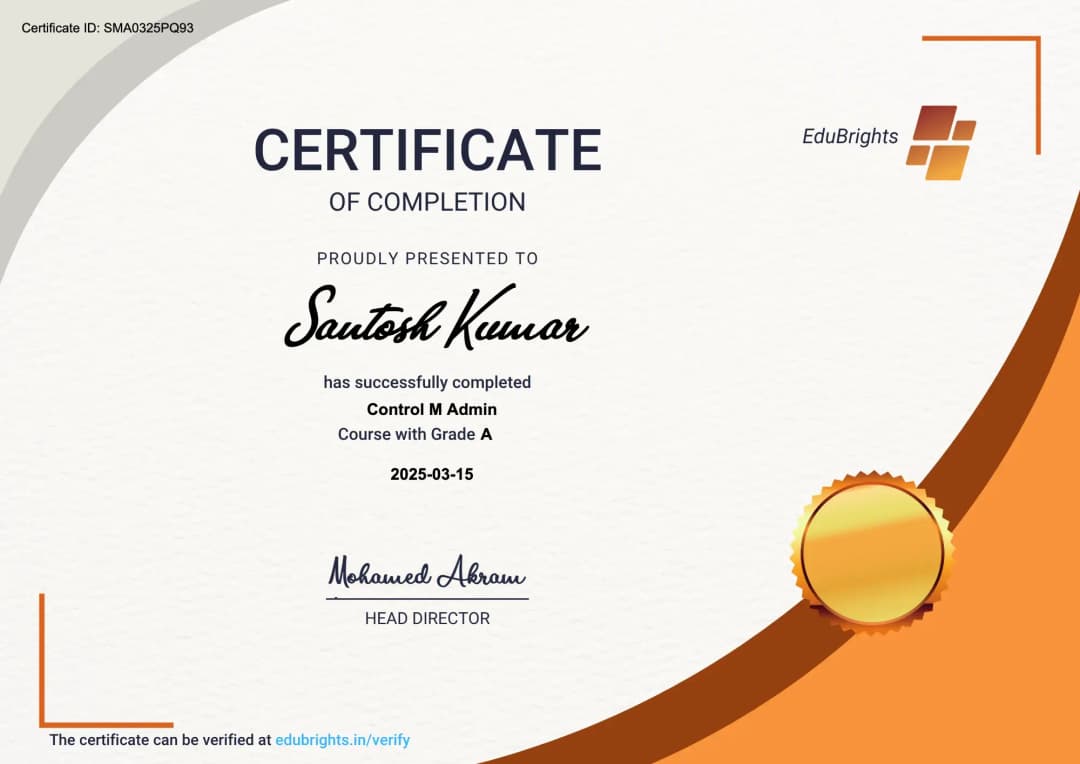
Certified SAP EAM Professional
Our certification validates your expertise in SAP EAM. Gain practical skills to apply SAP EAM confidently in real-world projects. Ideal for professionals and freshers looking to strengthen their SAP EAM career profile.
Course FAQs
1. What is SAP Enterprise Asset Management (EAM)?
SAP Enterprise Asset Management helps organizations manage physical assets throughout their operational lifecycle. It supports asset records, maintenance planning, inspections, work orders, repair activities, and maintenance cost tracking.
2. What are the key components of SAP EAM?
Key components include technical object management, maintenance notifications, maintenance orders, task lists, maintenance plans, scheduling, and spare-parts integration. These functions help organizations improve equipment availability, maintenance efficiency, and asset reliability.
3. What is the difference between SAP EAM and SAP Plant Maintenance (PM)?
SAP Plant Maintenance is the traditional SAP ERP component used to manage maintenance activities and technical objects. Enterprise Asset Management is a broader asset-management concept that includes maintenance processes and related capabilities across SAP ERP and SAP S/4HANA.
4. What is a technical object in SAP EAM?
A technical object represents an asset or location that requires maintenance management. Common examples include equipment, functional locations, assemblies, and other maintainable objects.
5. What is the difference between equipment and a functional location?
Equipment represents an individual maintainable object, such as a pump, motor, or production machine. A functional location represents the place or operational position where equipment is installed or where maintenance work is performed.
6. How is a functional location hierarchy created in SAP EAM?
A functional location hierarchy organizes technical locations into parent-child levels that reflect a plant, production line, building, or other operational structure. The hierarchy helps maintenance teams locate assets and analyze maintenance history at different organizational levels.
7. What is an equipment master record?
An equipment master record stores information about an individual maintainable asset. It can contain identification details, manufacturer information, technical specifications, location assignments, maintenance data, and equipment history.
8. What is the difference between equipment installation and dismantling?
Installation assigns equipment to a functional location or another supported technical structure. Dismantling removes that assignment while allowing the equipment record and its historical information to remain available, subject to the system's configuration.
9. What is a maintenance notification in SAP EAM?
A maintenance notification records a malfunction, damage, abnormal condition, or maintenance requirement related to a technical object. It captures information such as the problem description, priority, damage details, and activities needed for follow-up. citeturn934741search4
10. What is the difference between a maintenance notification and a maintenance order?
A maintenance notification documents a maintenance requirement or technical problem, while a maintenance order plans and tracks the work needed to address it. A notification can be assigned to an order, allowing teams to connect the reported issue with the planned maintenance activities. citeturn934741search5
11. What are the different types of maintenance orders in SAP EAM?
Maintenance order types are configured to support different maintenance scenarios, such as corrective, preventive, emergency, or refurbishment work. The available order types and their behavior depend on the organization's configuration and business processes.
12. What information is maintained in a maintenance order?
A maintenance order can contain the technical object, operations, work center, planned dates, required materials, planned work, and cost information. It also tracks execution status and supports recording confirmations and material consumption.
13. What is an operation in a maintenance order?
An operation represents an individual task that must be completed as part of the maintenance work. It can specify the work center, planned duration, control key, required resources, and other execution details.
14. What is a maintenance task list?
A maintenance task list is a reusable sequence of maintenance operations and instructions. It standardizes recurring work and can be referenced when creating maintenance orders or planning preventive maintenance.
15. What is the difference between a general task list and an equipment task list?
A general task list can be reused across multiple suitable technical objects. An equipment task list is associated with a particular piece of equipment, making it useful when maintenance procedures depend on that asset's specific requirements.
16. What is a maintenance strategy in SAP EAM?
A maintenance strategy defines how planned maintenance activities are scheduled according to specified time or performance-based criteria. It can organize maintenance packages at different intervals, depending on the asset's maintenance requirements and system configuration.
17. What is preventive maintenance in SAP EAM?
Preventive maintenance schedules servicing or inspection activities before equipment failure occurs. SAP EAM supports planned maintenance through maintenance plans, task lists, scheduling parameters, and generated maintenance calls or orders.
18. What is a maintenance plan?
A maintenance plan defines how and when recurring maintenance work should be generated. It can use time-based scheduling or supported performance-based criteria to help ensure maintenance activities occur at the intended intervals.
19. What is the difference between a single-cycle plan and a strategy maintenance plan?
A single-cycle plan schedules maintenance using one recurring interval or cycle. A strategy maintenance plan supports multiple maintenance packages or intervals according to a defined maintenance strategy.
20. How does SAP EAM generate maintenance orders from maintenance plans?
The maintenance plan is scheduled to generate maintenance calls when the relevant scheduling conditions are met. Depending on the configuration, the system can create or propose maintenance orders or other follow-up objects for the planned work.
21. What is corrective maintenance in SAP EAM?
Corrective maintenance addresses an existing malfunction, defect, or failure. A typical process involves recording the issue, planning the repair, assigning resources and materials, performing the work, confirming completion, and closing the maintenance records.
22. What is breakdown maintenance?
Breakdown maintenance is performed when equipment has failed or cannot operate as required. SAP EAM can support the recording of breakdown details, maintenance priorities, repair activities, downtime information, and the resulting maintenance costs.
23. How is equipment downtime recorded in SAP EAM?
Downtime can be recorded using the relevant malfunction and breakdown fields in maintenance notifications or associated maintenance processes. Accurate start and end times help organizations analyze equipment availability and identify recurring reliability problems.
24. What is a work center in SAP EAM?
A work center represents a group, location, or resource responsible for carrying out maintenance operations. It can provide scheduling and capacity information and can be linked to cost centers for maintenance cost calculations.
25. What is a maintenance BOM?
A maintenance bill of materials lists components or spare parts associated with a technical object or maintenance requirement. It helps planners identify required materials for repairs, inspections, and scheduled servicing.
26. How does SAP EAM manage spare parts?
SAP EAM integrates maintenance planning with materials management to help identify, reserve, issue, and track spare parts required for maintenance work. Availability checks and material planning help reduce delays caused by missing components.
27. How does SAP EAM integrate with SAP Materials Management (MM)?
Integration with SAP MM supports spare-parts procurement, inventory availability, reservations, goods movements, and purchasing activities. This helps maintenance teams coordinate repair schedules with material availability and procurement requirements.
28. How does SAP EAM integrate with SAP Controlling (CO)?
SAP EAM can transfer maintenance-related costs to appropriate cost objects, such as maintenance orders and cost centers. Planned costs, actual costs, material consumption, and activity confirmations can support maintenance budgeting and cost analysis.
29. How does SAP EAM integrate with SAP Production Planning (PP)?
SAP EAM can support coordination between maintenance activities and production operations. Maintenance planning and equipment availability information help organizations schedule repairs and inspections while considering production requirements.
30. What is order settlement in SAP EAM?
Order settlement transfers eligible maintenance order costs to designated receivers according to the configured settlement rules. The receiver may be a cost center, asset, or another supported cost object, depending on the business process.
31. What is a maintenance order confirmation?
A maintenance order confirmation records work performed against an operation or order. It can include actual work hours, completion details, dates, and other execution information required to update maintenance progress and costs.
32. What is the role of order status management in SAP EAM?
Status management controls which actions are permitted during a maintenance order's lifecycle. Statuses can indicate whether an order is created, released, technically completed, closed, or otherwise restricted according to system rules.
33. What is technical completion of a maintenance order?
Technical completion indicates that the order has reached the required operational completion stage. It can restrict further processing and trigger configured follow-up activities, although financial settlement and final business closure may still be required.
34. What is refurbishment processing in SAP EAM?
Refurbishment processing supports the repair or restoration of reusable materials or components. Depending on the configured process, it can track the material, refurbishment order, component movements, repair costs, and return of the refurbished item to stock.
35. What is calibration maintenance in SAP EAM?
Calibration maintenance helps organizations plan and record the calibration of measuring instruments and other relevant technical equipment. Depending on the SAP solution and configuration, calibration can involve maintenance orders, inspection activities, measurement results, and quality-related processes.
36. What are measuring points and measurement documents?
Measuring points identify locations or characteristics on an asset where readings are recorded. Measurement documents store readings, such as temperature, pressure, operating hours, or counter values, and can support performance-based maintenance scheduling.
37. What is a maintenance item?
A maintenance item links a maintenance plan to the technical object and the work to be performed. It can specify the relevant equipment or functional location and reference the task list used for the planned maintenance activity.A maintenance item links a maintenance plan to the technical object and the work to be performed. It can specify the relevant equipment or functional location and reference the task list used for the planned maintenance activity.
38. What is maintenance scheduling in SAP EAM?
Maintenance scheduling determines when planned maintenance calls should occur according to the maintenance plan and its scheduling parameters. Proper scheduling helps planners coordinate required work, material availability, capacity, and equipment downtime.
39. How can SAP EAM support preventive and predictive maintenance?
Preventive maintenance schedules work using predefined intervals or maintenance criteria. Predictive maintenance can use condition-monitoring data, sensor readings, analytics, and supported asset-management capabilities to identify potential failures and prioritize intervention before breakdowns occur.
40. What is a maintenance work order backlog?
A maintenance backlog is a collection of identified maintenance tasks that have not yet been completed. Teams analyze backlog priority, resource requirements, material availability, and operational risk to decide which work should be scheduled first.
41. How is maintenance history tracked in SAP EAM?
Maintenance history can be reviewed through technical object records, notifications, maintenance orders, confirmations, measurement documents, and related records. This information helps teams identify recurring failures, review past repairs, and evaluate asset reliability.
42. What is an equipment classification in SAP EAM?
Equipment classification groups assets according to defined characteristics, such as manufacturer, model, capacity, or technical specification. Classification supports structured searching, reporting, and analysis across similar equipment.
43. What is linear asset management in SAP EAM?
Linear asset management supports assets that extend along a length, such as pipelines, roads, railways, or transmission lines. Where supported and configured, it allows maintenance activities and technical information to be associated with specific positions or sections along the asset.
44. What is the difference between SAP EAM in SAP ECC and SAP S/4HANA?
SAP ECC provides traditional Plant Maintenance capabilities, while SAP S/4HANA offers asset-management processes within the newer ERP platform and may provide updated user experiences and additional capabilities depending on the edition. The exact functionality available depends on the deployment model, release, and activated scope.
45. What are common SAP EAM transaction codes used in maintenance processes?
In SAP GUI environments, common examples include IW21, IW22, and IW23 for creating, changing, and displaying maintenance notifications; IW31, IW32, and IW33 for maintenance orders; and IL01, IL02, and IL03 for functional locations. Transaction availability can vary by system version, configuration, and user authorization.
46. How do you troubleshoot a maintenance order that cannot be released?
Review the order status, required master data, operation details, material availability, authorization, and any system messages displayed during release. If the issue is configuration-related, verify the relevant order-type settings and business rules before attempting the release again.
47. How can maintenance costs be analyzed in SAP EAM?
Maintenance costs can be analyzed using order cost reports, cost-center reports, material consumption, labor confirmations, and planned-versus-actual comparisons. These analyses help organizations identify expensive assets, recurring repair patterns, and opportunities to improve maintenance planning.
48. What practical projects can be covered in SAP EAM training?
Suitable projects include Preventive Maintenance Plan Configuration, Breakdown Notification-to-Order Processing, Spare Parts Planning for Maintenance Orders, Equipment Installation and Maintenance History, and Maintenance Cost Analysis. These scenarios help learners practice master data, maintenance execution, integration, scheduling, and reporting.
49. What technical skills can learners develop through SAP EAM training?
Learners can develop skills in equipment and functional location management, notifications, maintenance orders, task lists, maintenance plans, work centers, measuring points, spare-parts coordination, order confirmations, settlement, and maintenance reporting. Practical exercises can also introduce SAP MM and CO integration and common troubleshooting methods.
50. How does SAP EAM training prepare learners for implementation projects?
SAP EAM training helps learners understand how maintenance master data, planning, execution, materials, and costs work together in an enterprise asset-management process. Hands-on practice with maintenance scenarios provides a foundation for contributing to SAP EAM support, configuration, testing, and implementation activities.
Get Training Quote for Free
Testimonials
Hear What Our Students Say
"Transform your life through Education, hear it from our Alumni"

8 LPA
Rahul
Student
Data Scientist
"Transform your life through Education, hear it from our Alumni"

6 LPA
Fathima
Student
Software Engineer
"Transform your life through Education, hear it from our Alumni"

8 LPA
Siddharth
NIELSON IQ
Data Analyst