Course Objectives
1. Learn SAP Cloud ALM Fundamentals
Understand how SAP Cloud ALM helps businesses manage application lifecycle management, implementation projects, monitoring, and operations in cloud environments.
2. Master Application Monitoring and Operations
Learn how to monitor business processes, track system performance, manage alerts, and improve operational efficiency using SAP Cloud ALM.
3. Gain Practical Experience with SAP Cloud ALM Tools
Develop hands-on skills in implementation management, task tracking, testing, monitoring, and issue resolution.
4. Work on Real-World SAP Cloud Projects
Apply your knowledge through practical projects focused on SAP implementation, cloud monitoring, and business process management.
Popular Techniques Covered in This Course
SAP Cloud ALM Fundamentals
Application Lifecycle Management
Project and Task Management
Business Process Monitoring
Integration Monitoring
Test Management
Alert and Event Monitoring
Issue and Incident Management
SAP Cloud Solution Management
SAP Cloud Operations
Get Hands-on Knowledge about Real-Time Projects
Project 1
Project 1: SAP Cloud Implementation Management
Create a project management framework to track implementation activities, milestones, tasks, and deliverables.
Project 2
Project 2: Business Process Monitoring Dashboard
Build a monitoring solution that tracks critical business processes and identifies potential issues in real time.
Project 3
Project 3: Integration Monitoring System
Develop a monitoring dashboard that helps organizations track data exchanges between SAP and third-party applications.
Project 4
Project 4: Automated Alert Management Solution
Implement an alert management process that notifies teams about system issues and performance problems.
Project 5
Project 5: SAP Cloud Operations Monitoring
Design a cloud operations dashboard that provides visibility into system health, performance metrics, and operational status.
Key Features
Edubrights offers SAP Cloud ALM in virtual mode with expert trainers. Here are the key features,
40 Hours Course Duration
100% Job Oriented Training
Industry Expert Faculties
Free Demo Class Available
Completed 500+ Batches
Certification Guidance
Curriculum
Module 1: Introduction to SAP Cloud ALM
- Overview of SAP Cloud ALM
- Cloud ALM vs. SAP Solution Manager
- Cloud ALM for implementation and operations
- Cloud ALM architecture on SAP BTP
- Cloud ALM onboarding and setup
Module 2: Cloud ALM for Implementation
- Project setup and management
- SAP Activate methodology in Cloud ALM
- Roadmap and task management
- Fit-to-standard workshops support
- Project progress monitoring
Module 3: Requirements and User Stories
- Requirement management in Cloud ALM
- User story creation and backlog
- Acceptance criteria management
- Requirement traceability
- Agile sprint planning
Module 4: Business Process Management
- Process hierarchy setup
- Business process documentation
- Process scope management
- Integration with SAP Signavio
- Process test case linkage
Module 5: Test Management
- Test plan and test case creation
- Manual test execution
- Automated test integration
- Defect management
- Test coverage and sign-off
Module 6: Change and Deployment Management
- Change request management
- Transport management integration
- Deployment pipeline configuration
- Change impact analysis
- Approval workflow for changes
Module 7: Cloud ALM for Operations
- Real user monitoring (RUM)
- Health monitoring dashboards
- Integration monitoring
- Job scheduling and monitoring
- Exception management
Module 8: Integration Monitoring
- Integration flow monitoring
- Alert configuration and notification
- End-to-end message monitoring
- Integration with SAP Integration Suite
- Error resolution workflows
Module 9: Intelligent Event Processing
- Event-based alerting
- Automated remediation
- Event correlation
- Threshold configuration
- Incident creation from events
Module 10: Analytics and Reporting
- Project health dashboards
- Test coverage reports
- Change request analytics
- Operations KPI reports
- Executive summary reports
Module 11: Cloud ALM API and Extensibility
- Cloud ALM REST APIs
- Integration with third-party tools
- Custom workflow automation
- Data extraction for reporting
- SAP BTP extensions for Cloud ALM
Module 12: Real-Time Projects and Case Studies
- S/4HANA implementation with Cloud ALM
- BTP operations monitoring setup
- End-to-end Cloud ALM deployment
- Certification and interview preparation
Receive Training From Our Skilled and Effective Trainers
Experience in the Industry Gain knowledge from experts with hands-on SAP Cloud ALM project experience in SAP implementation and cloud operations management.
Backgrounds at the Top Prominent corporations such as HCL, TCS, Accenture, and IBM employ our SAP Cloud ALM trainers.
Clear & Effective Teaching Excellent communication and real-world examples simplify complex ALM and operations monitoring concepts.
Hands-On Learning Focus Students apply skills using live SAP Cloud ALM environments with real project management and operations monitoring projects.
Up-to-Date Knowledge Trainers stay current with latest Cloud ALM releases, SAP Activate methodology, and modern ALM best practices.
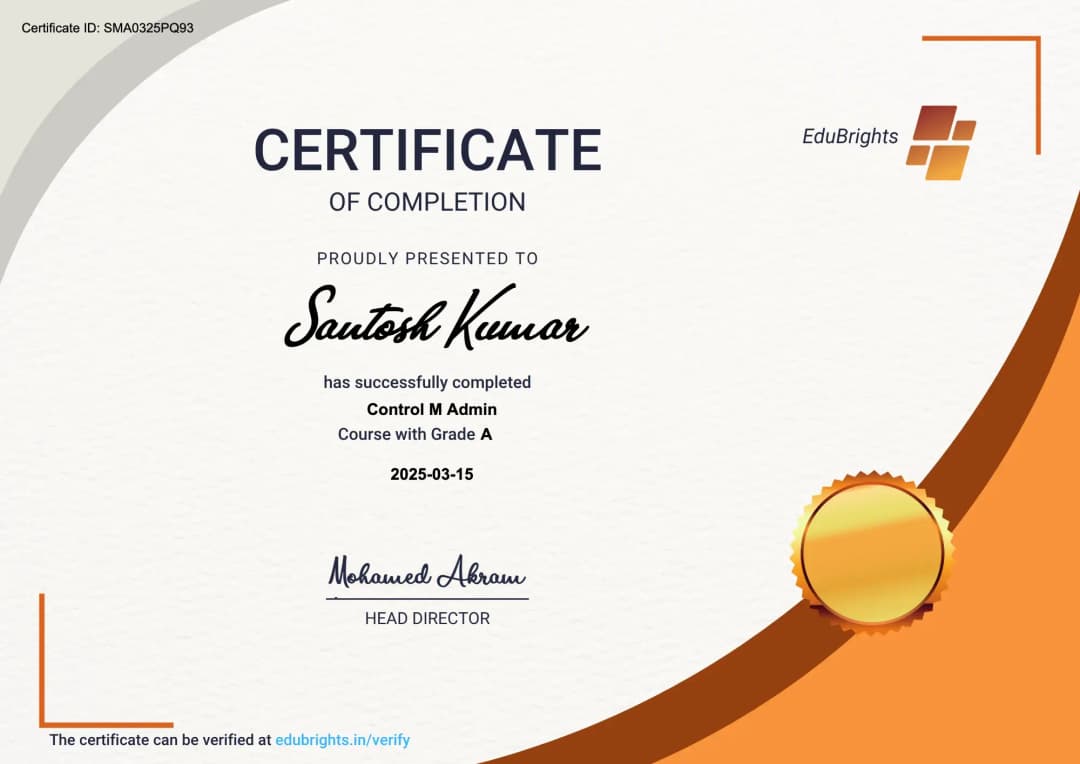
You will succeed with our recognized certification
The SAP Cloud ALM Professional Certification validates your skills in application lifecycle management, project implementation, monitoring, testing, and cloud operations. It demonstrates your ability to manage SAP cloud environments efficiently and support business-critical processes. This certification can help you build a career in SAP cloud management, support, and implementation consulting.
Course FAQs
1. What is SAP Cloud ALM?
SAP Cloud ALM is a cloud-based application lifecycle management solution used to manage SAP implementation, operations, monitoring, testing, and related application lifecycle activities. It provides tools for project management, business process monitoring, test management, integration monitoring, and cloud operations.
2. What are the main capabilities of SAP Cloud ALM?
SAP Cloud ALM supports implementation management, project and task management, requirements, user stories, business process management, testing, change management, operations monitoring, integration monitoring, analytics, and extensibility. These capabilities help organizations manage SAP cloud projects and operational processes from a centralized platform.
3. How is SAP Cloud ALM different from SAP Solution Manager?
SAP Cloud ALM is designed as a cloud-based ALM platform, while SAP Solution Manager is traditionally used as an on-premise ALM solution. SAP Cloud ALM focuses strongly on cloud-based implementation and operations scenarios and provides modern monitoring and project-management capabilities.
4. What is the architecture of SAP Cloud ALM?
SAP Cloud ALM uses a cloud-based architecture built on SAP Business Technology Platform (BTP) services and related SAP cloud capabilities. Its architecture supports implementation management, operations monitoring, integrations, analytics, APIs, and extensibility.
5. How is SAP Cloud ALM onboarded and configured?
SAP Cloud ALM onboarding involves setting up the tenant, establishing the required access and identity configuration, connecting relevant systems, and configuring implementation or operations capabilities. The exact setup depends on the SAP landscape and services being monitored.
6. What is SAP Cloud ALM for implementation?
SAP Cloud ALM for implementation provides tools for planning and managing SAP implementation projects. It supports project setup, roadmaps, tasks, requirements, user stories, testing, progress monitoring, and implementation activities.
7. How does SAP Cloud ALM support SAP Activate methodology?
SAP Cloud ALM can support SAP Activate implementation activities by organizing project tasks, milestones, deliverables, and implementation processes. It can help teams manage activities associated with SAP implementation methodologies and project phases.
8. What is project management in SAP Cloud ALM?
Project management allows implementation teams to organize projects, workstreams, tasks, milestones, and deliverables. Project progress can be monitored through structured task management and reporting capabilities.
9. What is task management in SAP Cloud ALM?
Task management is used to assign, track, prioritize, and monitor implementation activities. Tasks can include responsible users, dates, statuses, dependencies, and related project information.
10. What is roadmap management in SAP Cloud ALM?
Roadmap management provides structured guidance for implementation activities and project phases. It helps teams understand required tasks and organize implementation work according to the selected methodology.
11. What are Fit-to-Standard workshops in SAP Cloud ALM?
Fit-to-Standard workshops help implementation teams compare standard SAP processes with business requirements. SAP Cloud ALM can support documenting requirements, processes, decisions, and related implementation activities during these workshops.
12. What is requirement management in SAP Cloud ALM?
Requirement management captures and organizes business or technical requirements associated with an implementation. Requirements can be tracked through their lifecycle and linked with related project activities.
13. What are user stories in SAP Cloud ALM?
User stories describe business requirements or functionality from the perspective of the intended user. They can be created, prioritized, organized in backlogs, and associated with implementation activities.
14. What is backlog management in SAP Cloud ALM?
Backlog management organizes requirements and user stories that need to be implemented. Teams can prioritize backlog items and use them for sprint planning and Agile project execution.
15. What is acceptance criteria management?
Acceptance criteria define the conditions that must be satisfied for a requirement or user story to be considered complete. Managing acceptance criteria helps implementation and testing teams validate whether expected functionality has been delivered.
16. What is requirement traceability in SAP Cloud ALM?
Requirement traceability connects requirements with related processes, user stories, test cases, and implementation activities. It provides visibility into how business requirements are translated into implemented and tested functionality.
17. How does SAP Cloud ALM support Agile sprint planning?
SAP Cloud ALM can organize user stories and implementation tasks into Agile sprint activities. Teams can plan work, assign responsibilities, monitor progress, and manage backlog items throughout sprint cycles.
18. What is business process management in SAP Cloud ALM?
Business process management provides a structured way to document, organize, and monitor business processes within an SAP implementation. It can include process hierarchies, process scopes, documentation, and links to testing activities.
19. What is a process hierarchy in SAP Cloud ALM?
A process hierarchy organizes business processes into structured levels, allowing organizations to represent end-to-end processes and their subprocesses. This provides a common structure for implementation, documentation, and testing.
20. How does SAP Cloud ALM integrate with SAP Signavio?
SAP Cloud ALM can integrate with SAP Signavio capabilities to connect business process modeling and SAP implementation activities. This helps teams maintain alignment between process design, implementation scope, and testing.
21. What is test management in SAP Cloud ALM?
Test management provides capabilities for creating test plans, test cases, executing tests, tracking results, and managing defects. It helps implementation teams validate business processes and system functionality.
22. What is a test plan in SAP Cloud ALM?
A test plan organizes testing activities for a defined implementation scope or project. It can contain test cases, execution activities, responsibilities, and test results.
23. What are test cases in SAP Cloud ALM?
Test cases define the steps, conditions, expected results, and other information required to validate a business process or application function. They can be associated with relevant requirements or processes.
24. How is manual test execution managed?
Manual test execution allows testers to perform defined test steps and record actual results against expected outcomes. Test execution status and results can be tracked within the test-management process.
25. How does SAP Cloud ALM support automated testing?
SAP Cloud ALM can support integration with automated testing capabilities and external test automation tools. Automated test results can be incorporated into the overall testing and quality-management process.
26. What is defect management in SAP Cloud ALM?
Defect management captures and tracks issues identified during testing. Defects can be assigned, prioritized, analyzed, resolved, and retested before the related functionality is approved.
27. What is test coverage reporting?
Test coverage reporting provides visibility into how much of the defined implementation scope or requirements have been tested. It can help project teams identify untested areas and assess testing completeness.
28. What is change request management in SAP Cloud ALM?
Change request management controls proposed changes to an SAP solution or implementation. It can support documenting the change, assessing its impact, obtaining approval, and tracking implementation activities.
29. How does SAP Cloud ALM support transport management integration?
SAP Cloud ALM can work with supported transport-management capabilities to coordinate changes across system landscapes. This helps teams connect change requests with controlled deployment activities.
30. What is deployment pipeline configuration?
Deployment pipeline configuration defines how application or system changes move between environments. It can support controlled movement from development through testing and into production according to organizational processes.
31. What is change impact analysis?
Change impact analysis evaluates the potential effects of a proposed change on processes, applications, integrations, tests, and other components. It helps teams assess risks before approving and deploying changes.
32. What are approval workflows for changes?
Approval workflows control the review and authorization of proposed changes. They help ensure that changes are assessed and approved by the appropriate stakeholders before implementation or deployment.
33. What is SAP Cloud ALM for operations?
SAP Cloud ALM for operations provides capabilities for monitoring SAP cloud solutions and operational activities. It can support health monitoring, real user monitoring, integration monitoring, job monitoring, alerts, and exception management.
34. What is Real User Monitoring (RUM) in SAP Cloud ALM?
Real User Monitoring provides visibility into application behavior from the perspective of actual users. It can help identify performance issues and user-experience problems affecting business applications.
35. What are health monitoring dashboards?
Health monitoring dashboards provide a consolidated view of system or application health information. They can help operations teams identify performance issues, availability problems, alerts, and other operational conditions.
36. What is integration monitoring in SAP Cloud ALM?
Integration monitoring tracks communication and data exchanges between SAP systems, cloud applications, and external systems. It helps identify failed messages, integration errors, processing delays, and other connectivity issues.
37. What is integration flow monitoring?
Integration flow monitoring tracks individual integration flows and their processing status. It can help teams identify failed or delayed messages and investigate integration-related problems.
38. How does SAP Cloud ALM support alert configuration?
Alert configuration defines conditions that should generate notifications when specified events, thresholds, or system conditions occur. Alerts can help operations teams respond to issues before they significantly affect business processes.
39. What is end-to-end message monitoring?
End-to-end message monitoring provides visibility into the movement of a message across connected systems and integration components. It helps technical teams trace processing failures and identify where an integration issue occurred.
40. How does SAP Cloud ALM integrate with SAP Integration Suite?
SAP Cloud ALM can monitor integration scenarios associated with SAP Integration Suite and provide visibility into integration processing. This can help teams track messages, identify errors, configure alerts, and support error-resolution workflows.
41. What is intelligent event processing in SAP Cloud ALM?
Intelligent event processing uses events and configured conditions to identify relevant operational situations. It can support event correlation, automated alerting, remediation activities, and incident creation.
42. What is event-based alerting?
Event-based alerting generates alerts when defined system or application events occur. This allows operations teams to respond to specific conditions rather than relying only on periodic monitoring.
43. What is automated remediation in SAP Cloud ALM?
Automated remediation refers to initiating predefined corrective actions when specific operational conditions are detected. It can reduce manual intervention for recurring and predictable issues when appropriate automation is configured.
44. What is event correlation?
Event correlation groups or analyzes related events to identify meaningful operational situations. It can help reduce noise from individual alerts and provide a clearer view of the underlying issue.
45. What analytics and reporting capabilities are available in SAP Cloud ALM?
SAP Cloud ALM supports reporting for areas such as project health, test coverage, change requests, operational KPIs, and executive summaries. These reports help project managers and operations teams monitor performance and make informed decisions.
46. What are project health dashboards?
Project health dashboards provide visibility into implementation progress, task status, milestones, risks, and other project indicators. They help project teams identify delays and areas requiring attention.
47. What are SAP Cloud ALM APIs?
SAP Cloud ALM provides REST APIs that can be used to access or exchange relevant ALM data and integrate external applications. APIs can support automation, reporting, integrations, and custom solutions.
48. How can SAP Cloud ALM be extended using SAP BTP?
SAP BTP can be used to develop extensions and integrations around SAP Cloud ALM using supported APIs and cloud services. Organizations can build custom workflows, integrate third-party tools, and extract data for specialized reporting or automation.
49. What practical projects can be covered in SAP Cloud ALM training in Chennai?
The Edubrights course includes projects such as SAP Cloud Implementation Management, Business Process Monitoring Dashboard, Integration Monitoring System, Automated Alert Management Solution, and SAP Cloud Operations Monitoring. These projects cover implementation tracking, process monitoring, integration visibility, alert management, system health, and operational dashboards.
50. What technical skills can I gain from SAP Cloud ALM training in Chennai?
SAP Cloud ALM training can help develop skills in ALM fundamentals, implementation management, project and task management, SAP Activate, requirements and user stories, Agile sprint planning, business process management, SAP Signavio integration, test management, defect management, change management, deployment monitoring, RUM, health monitoring, integration monitoring, event processing, analytics, REST APIs, workflow automation, and SAP BTP extensibility. These areas closely follow the technical curriculum published on the Edubrights SAP Cloud ALM course page.
Get Training Quote for Free
Testimonials
Hear What Our Students Say
"Transform your life through Education, hear it from our Alumni"

8 LPA
Rahul
Student
Data Scientist
"Transform your life through Education, hear it from our Alumni"

6 LPA
Fathima
Student
Software Engineer
"Transform your life through Education, hear it from our Alumni"

8 LPA
Siddharth
NIELSON IQ
Data Analyst