Course Objectives
1. What will you learn in the NEXUS REPOSITORY – Artifact Management course?
You will learn how to manage, secure, and automate software artifacts using Sonatype Nexus Repository. The course covers repository management, artifact storage, dependency management, Maven, Gradle, npm, Docker registries, proxy repositories, hosted repositories, repository groups, security, CI/CD integration, and enterprise DevOps best practices.
2. How does this course prepare you for real-world DevOps projects?
The course provides hands-on experience in setting up Nexus Repository, managing software packages, integrating with Jenkins and CI/CD pipelines, securing repositories, automating artifact deployment, and supporting enterprise software delivery processes.
3. What practical skills will you develop during the training?
You will gain expertise in Nexus Repository installation, repository configuration, artifact lifecycle management, dependency management, repository security, Docker registry management, CI/CD integration, backup strategies, access control, monitoring, and performance optimization.
4. How will real-time projects improve your Nexus Repository skills?
You will work on practical projects involving enterprise CI/CD pipelines, Docker image repositories, Java package management, cloud-native deployments, artifact versioning, and automated software release management.
5. What career opportunities can you pursue after learning NEXUS REPOSITORY – Artifact Management?
This course prepares you for roles such as DevOps Engineer, Build and Release Engineer, CI/CD Engineer, DevSecOps Engineer, Platform Engineer, Cloud Engineer, Site Reliability Engineer (SRE), Software Configuration Manager, Infrastructure Engineer, and DevOps Consultant.
Popular Techniques Covered in This Course
Sonatype Nexus Repository Architecture
Repository Installation and Configuration
Hosted, Proxy, and Group Repositories
Maven, Gradle, npm, NuGet, and Docker Repository Management
Artifact Lifecycle and Version Management
Repository Security and Access Control
CI/CD Integration with Jenkins and Git
Docker Registry and Container Image Management
Backup, Restore, and High Availability
Performance Monitoring and Repository Optimization
Get Hands-on Knowledge about Real-Time Projects
Project 1
Project 1: Enterprise Maven Repository
Deploy and manage a centralized Maven repository for Java applications with dependency management, version control, and automated artifact publishing.
Project 2
Project 2: CI/CD Pipeline Integration
Integrate Nexus Repository with Jenkins, GitHub, GitLab, and Maven to automate artifact storage, package deployment, and software release pipelines.
Project 3
Project 3: Docker Image Repository
Configure Nexus as a private Docker registry to securely manage container images for Kubernetes and cloud-native applications.
Project 4
Project 4: Enterprise Multi-Team Repository Management
Build a repository management solution supporting multiple development teams with role-based access, package isolation, and centralized dependency management.
Project 5
Project 5: Secure Software Delivery Platform
Implement artifact governance, repository security, backup strategies, vulnerability-aware package management, and automated software delivery using Nexus Repository.
Key Features
Edubrights offers NEXUS REPOSITORY – Artifact Management Training in virtual mode with expert trainers. Here are the key features,
40 Hours Course Duration
100% Job Oriented Training
Industry Expert Faculties
Free Demo Class Available
Completed 500+ Batches
Certification Guidance
Curriculum
Module 1: Introduction to Artifact Management and Nexus
- Artifact management concepts: why organisations need a repository manager
- Sonatype Nexus Repository overview: OSS and Pro editions
- Nexus architecture: repositories, blob stores, and routing rules
- Installing Nexus Repository Manager with Docker and standalone
Module 2: Repository Types and Formats
- Repository types: hosted, proxy, and group repositories
- Supported formats: Maven, npm, PyPI, Docker, NuGet, and Helm
- Hosted repositories: storing proprietary and internal artefacts
- Proxy repositories: caching remote registries like Maven Central
Module 3: Maven and Java Artifact Management
- Configuring Maven settings.xml for Nexus integration
- Deploying JAR, WAR, and POM artefacts to Nexus hosted repos
- Maven proxy repository for offline builds and bandwidth optimisation
- Maven group repository: unified endpoint for all Maven dependencies
Module 4: npm, PyPI, and Docker Registries
- Nexus as a private npm registry: publish and install packages
- PyPI proxy and hosted repository for Python dependency management
- Nexus Docker Registry: push, pull, and manage container images
- Helm chart repository for Kubernetes package management
Module 5: Security and Access Control
- User management: local users, LDAP, and Active Directory integration
- Roles and privileges: fine-grained repository access control
- Content selectors for attribute-based access control
- Security policy: component licence compliance and vulnerability scanning
Module 6: Nexus in CI/CD Pipelines
- Integrating Nexus with Jenkins, GitLab CI, and GitHub Actions
- Resolving dependencies from Nexus in build pipelines
- Publishing artefacts to Nexus after successful builds
- Nexus IQ Server: open-source risk management in CI/CD
Module 7: Nexus Administration and Maintenance
- Blob store management: file and S3 blob store configuration
- Cleanup policies: removing old and unused artefacts automatically
- Backup and restore: Nexus database and blob store backup
- Monitoring Nexus: JMX metrics and Prometheus integration
Module 8: Capstone Project and Assessment
- Nexus repository setup: Maven, Docker, and npm repositories
- CI/CD pipeline integration with dependency resolution and publishing
- Security scanning and cleanup policy configuration project
- Final assessment and course certification
Receive Training From Our Skilled and Effective Trainers
Experience in the Industry Gain expertise from DevOps engineers who have deployed and administered Sonatype Nexus Repository for enterprise software teams managing Java, Python, JavaScript, and container image artefacts in CI/CD pipelines.
Backgrounds at the Top Our Nexus trainers have configured Nexus Repository Manager at software development organisations and DevOps teams where centralised artefact management is essential for build reproducibility and security.
Clear & Effective Teaching Nexus repository types, Maven/npm/Docker/PyPI registries, access control, CI/CD integration, security scanning, blob store management, and cleanup policies are taught with practical artefact management examples.
Hands-On Learning Focus Students configure Nexus repositories, integrate with CI/CD pipelines, manage artefact security policies, set up cleanup rules, and administer blob stores through structured hands-on lab exercises.
Up-to-Date Knowledge Trainers keep content current with the latest Nexus Repository releases, Sonatype Nexus IQ and Lifecycle security features, cloud-hosted Nexus options, and evolving artefact management best practices.
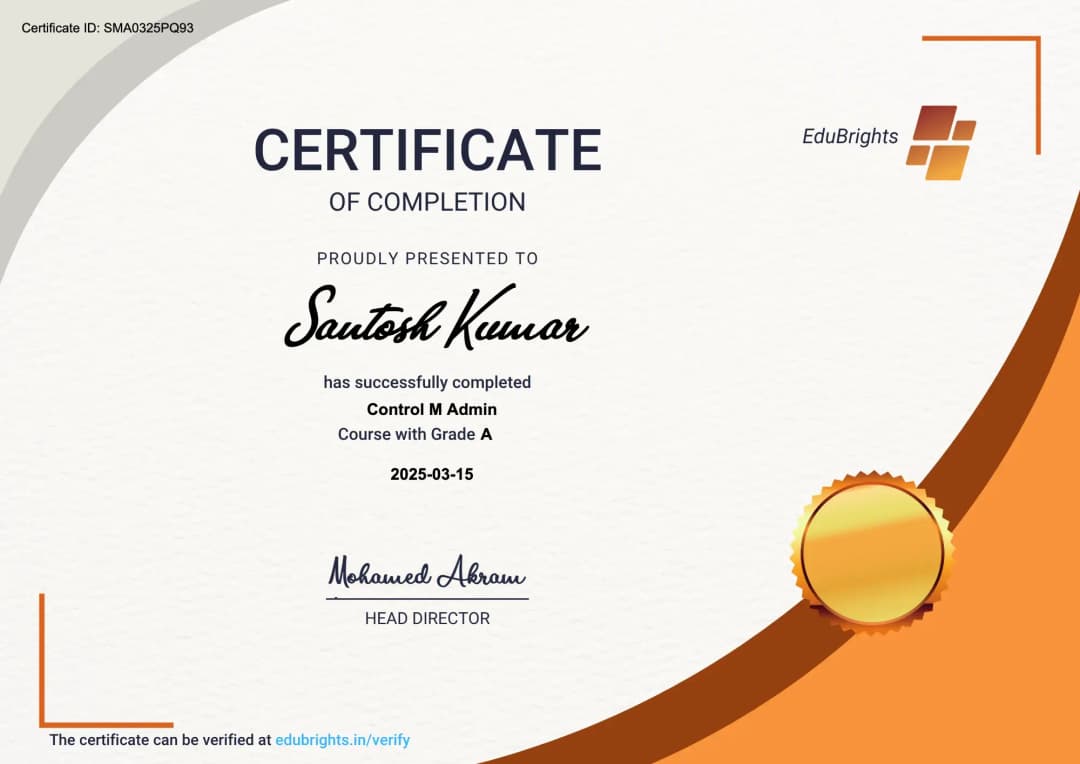
Professional NEXUS REPOSITORY – Artifact Management Certification
The Professional NEXUS REPOSITORY – Artifact Management Certification validates your expertise in managing enterprise software artifacts using Sonatype Nexus Repository.
Course FAQs
1. What is Nexus Repository?
Answer: Nexus Repository is a popular artifact repository manager used to securely store, manage, version, and distribute software packages and build artifacts across development teams.
2. What is artifact management?
Answer: Artifact management is the process of storing, organizing, securing, versioning, and distributing compiled software packages, libraries, Docker images, and deployment artifacts.
3. What types of repositories does Nexus support?
Answer: Nexus supports hosted repositories, proxy repositories, and repository groups for Maven, Gradle, npm, Docker, NuGet, PyPI, Helm, and many other package formats.
4. Why is Nexus Repository used in DevOps?
Answer: Nexus Repository centralizes dependency management, improves build reliability, secures software artifacts, and integrates seamlessly with CI/CD pipelines.
5. Can Nexus Repository integrate with CI/CD tools?
Answer: Yes. Nexus integrates with Jenkins, GitHub Actions, GitLab CI/CD, Azure DevOps, Bamboo, TeamCity, and many other DevOps tools.
6. Which industries use Nexus Repository?
Answer: Banking, healthcare, finance, retail, manufacturing, telecommunications, SaaS, cloud service providers, government organizations, and enterprise software companies use Nexus Repository.
7. Does the course include practical projects?
Answer: Yes. The course includes enterprise repository management, Docker registry setup, CI/CD integration, software release automation, and artifact governance projects.
8. Is this course beginner-friendly?
Answer: Basic knowledge of software development, Git, Maven, or DevOps concepts is recommended. The course begins with repository management fundamentals before progressing to enterprise implementations.
9. Can Nexus Repository improve software delivery?
Answer: Yes. Nexus improves dependency management, accelerates build processes, enhances security, and enables consistent software delivery across development environments.
10. Why should professionals learn Nexus Repository?
Answer: Artifact management is a core DevOps capability, and Nexus Repository skills are highly valued in organizations practicing continuous integration and continuous delivery.
Get Training Quote for Free
Testimonials
Hear What Our Students Say
"Transform your life through Education, hear it from our Alumni"

8 LPA
Rahul
Student
Data Scientist
"Transform your life through Education, hear it from our Alumni"

8 LPA
Siddharth
NIELSON IQ
Data Analyst
"Transform your life through Education, hear it from our Alumni"

6 LPA
Fathima
Student
Software Engineer
