Course Objectives
1. What will I learn in the ISC2 ISSAP course?
You will learn how to design and evaluate enterprise security architectures based on business requirements, security risks, and technology environments. The training covers identity architecture, network security, cloud security, data protection, application security, and security governance.
2. How will ISSAP training improve my security architecture skills?
The course helps you understand how security controls and architectural decisions work together to protect enterprise systems. You will learn to assess threats, identify security requirements, design appropriate controls, and document security architecture decisions.
3. Will I gain practical experience in enterprise security architecture?
Yes. You will work through architecture case studies, threat modeling exercises, IAM scenarios, network security designs, cloud security architecture, data protection strategies, and enterprise security architecture projects that reflect real-world cybersecurity environments.
4. Is ISC2 ISSAP useful for advancing my cybersecurity career?
Yes. ISSAP-focused knowledge is particularly valuable for professionals moving toward security architecture and senior cybersecurity responsibilities. The course helps strengthen your understanding of enterprise architecture, risk-based security design, governance, and technical security controls.
5. How does the course prepare me for security architecture roles?
The training develops skills in security requirements analysis, threat assessment, architecture design, security control selection, risk management, and architecture documentation. These capabilities can help professionals contribute more effectively to enterprise security design and architecture projects.
Popular Techniques Covered in This Course
Security Architecture Fundamentals
Enterprise Security Design
Security Governance
Identity & Access Architecture
Network Security Architecture
Cloud Security Architecture
Data Security Architecture
Application Security Architecture
Threat Modeling
Risk Assessment
Security Control Design
Zero Trust Architecture
Security Architecture Documentation
Business Continuity Architecture
Security Architecture Review
Get Hands-on Knowledge about Real-Time Projects
Project 1
Enterprise Security Architecture Design Project
Design a comprehensive security architecture for a hypothetical enterprise environment. Analyze business requirements, identify threats and risks, define security zones, select appropriate controls, and document the overall architecture.
Project 2
Identity & Access Management Architecture Project
Develop an enterprise IAM architecture covering authentication, authorization, role-based access control, privileged access, federation, and single sign-on. The project demonstrates how identity controls can support Zero Trust and enterprise security objectives.
Project 3
Cloud Security Architecture Project
Design a secure cloud environment addressing identity, network segmentation, data protection, workload security, logging, monitoring, and shared-responsibility considerations. Learners evaluate security risks and recommend appropriate architectural controls.
Project 4
Threat Modeling & Risk Assessment Project
Perform threat modeling for an enterprise application or infrastructure environment. Identify assets, threats, vulnerabilities, attack paths, and business impacts before selecting risk treatment strategies and security controls.
Project 5
End-to-End Security Architecture Project
Develop an integrated enterprise security architecture covering IAM, network security, cloud security, application security, data protection, monitoring, business continuity, and governance. The project concludes with architecture documentation and a security design review.
Key Features
Edubrights offers ISC2 ISSAP – Information Systems Security Architecture Training in virtual mode with expert trainers. Here are the key features,
40 Hours Course Duration
100% Job Oriented Training
Industry Expert Faculties
Free Demo Class Available
Completed 500+ Batches
Certification Guidance
Curriculum
Module 1: Introduction to Security Architecture
- Information Systems Security Architecture Fundamentals
- Role of a Security Architect
- Security Architecture Principles
- Enterprise Security Architecture
- Security Architecture Frameworks
- Business and Security Alignment
- Security Architecture Lifecycle
- Security Architecture Documentation
Module 2: Security Architecture Governance & Strategy
- Security Governance Fundamentals
- Security Policies and Standards
- Enterprise Security Strategy
- Security Architecture Principles
- Business Risk Alignment
- Security Decision-Making
- Architecture Governance
- Security Architecture Review Processes
Module 3: Identity & Access Management Architecture
- Identity Management Fundamentals
- Authentication Architecture
- Authorization Models
- Access Control Principles
- Role-Based Access Control
- Privileged Access Management
- Federation and Single Sign-On
- Identity Governance
- Zero Trust Identity Concepts
Module 4: Network Security Architecture
- Secure Network Architecture
- Network Segmentation
- Security Zones
- Firewalls and Security Gateways
- Secure Remote Access
- Network Access Control
- Intrusion Detection and Prevention
- Secure Network Design
- Defense-in-Depth Architecture
Module 5: Data Security Architecture
- Data Security Fundamentals
- Data Classification
- Data Protection Architecture
- Encryption Concepts
- Key Management
- Data Loss Prevention
- Database Security
- Data Privacy Principles
- Data Lifecycle Protection
Module 6: Cloud & Distributed Security Architecture
- Cloud Security Architecture
- Cloud Service Models
- Shared Responsibility Model
- Cloud Identity and Access Management
- Cloud Network Security
- Cloud Data Protection
- Container and Virtualization Security
- Multi-Cloud Security Considerations
- Zero Trust Cloud Architecture
Module 7: Application & Software Security Architecture
- Secure Application Architecture
- Secure Software Development Concepts
- Application Threat Modeling
- Secure APIs
- Application Authentication
- Application Authorization
- Security Design Patterns
- Application Security Controls
- DevSecOps Architecture Concepts
Module 8: Security Risk Assessment & Threat Modeling
- Enterprise Security Risk
- Threat Identification
- Vulnerability Analysis
- Threat Modeling Methodologies
- Attack Surface Analysis
- Risk Assessment Techniques
- Risk Treatment Strategies
- Security Control Selection
- Residual Risk Management
Module 9: Security Architecture for Business Continuity
- Business Continuity Fundamentals
- Disaster Recovery Architecture
- High Availability Design
- Resilience Engineering
- Backup and Recovery Architecture
- Fault-Tolerant Systems
- Recovery Objectives
- Business Impact Analysis
- Resilient Security Architecture
Module 10: Security Operations & Monitoring Architecture
- Security Operations Architecture
- Security Monitoring
- Logging and Event Management
- SIEM Architecture Concepts
- Security Incident Response
- Security Operations Centers
- Vulnerability Management
- Security Metrics
- Continuous Security Monitoring
Module 11: Enterprise Security Architecture Project
- Enterprise Architecture Assessment
- Business Requirement Analysis
- Threat and Risk Analysis
- Security Architecture Design
- Identity Architecture Design
- Network Security Design
- Cloud Security Design
- Data Protection Strategy
- Security Control Mapping
- Architecture Documentation
- Security Architecture Review
Module 12: ISSAP Certification & Career Preparation
- ISSAP Domain-Based Revision
- Security Architecture Case Studies
- Architecture Design Scenarios
- Security Architecture Best Practices
- Risk-Based Architecture Decisions
- Certification Exam Preparation
- Practice Questions and Assessment
- Interview Preparation
- Security Architect Resume Guidance
- Career Development
Receive Training From Our Skilled and Effective Trainers
Learn from Experienced ISC2 ISSAP Security Architecture Instructors
Experience in the Industry
Learn from experienced cybersecurity and security architecture professionals with practical exposure to enterprise security design, identity management, cloud environments, network infrastructure, data protection, risk management, and security governance. Their industry experience helps learners understand how security architecture principles are applied to complex technology environments.
Backgrounds at the Top
Our ISSAP instructors bring expertise in enterprise security architecture, identity and access management, network security, cloud security, application security, data security, threat modeling, risk assessment, security controls, and security governance. Their experience across different technology environments helps learners connect architectural concepts with real-world cybersecurity requirements.
Clear & Effective Teaching
Complex security architecture concepts are explained through practical demonstrations, enterprise case studies, architecture diagrams, threat scenarios, and guided exercises. Topics such as IAM architecture, network segmentation, cloud security, data protection, threat modeling, and security governance are presented in a clear and structured manner.
Hands-On Learning Focus
Develop practical architecture skills through enterprise security design exercises, threat modeling activities, IAM architecture scenarios, network security design, cloud security architecture, data protection planning, risk assessment, and end-to-end security architecture projects.
Up-to-Date Knowledge
Our instructors continuously update the training approach based on evolving cybersecurity threats, enterprise architecture practices, cloud technologies, Zero Trust principles, security frameworks, identity technologies, risk management practices, and modern security architecture requirements. This helps learners build relevant knowledge for today's cybersecurity architecture environments.
About Our Course Certification*
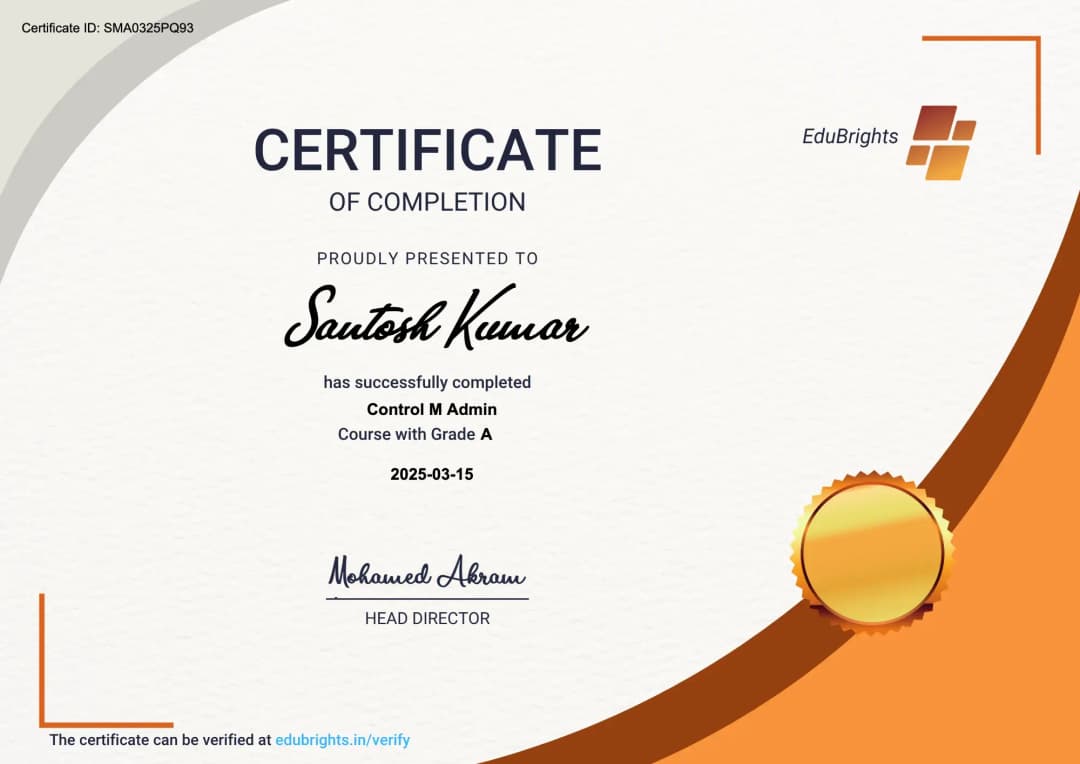
Upon successful completion of the training, learners receive an Edubrights Course Completion Certificate recognizing their learning and practical exposure to Information Systems Security Architecture. The training covers enterprise security architecture, IAM, network security, cloud security, data protection, application security, threat modeling, risk assessment, security governance, business continuity, and security operations architecture. Along with structured learning, participants work through architecture case studies and project-based exercises designed to strengthen their ability to analyze security requirements and develop practical enterprise security architecture solutions.
Course FAQs
1. What is ISC2 ISSAP?
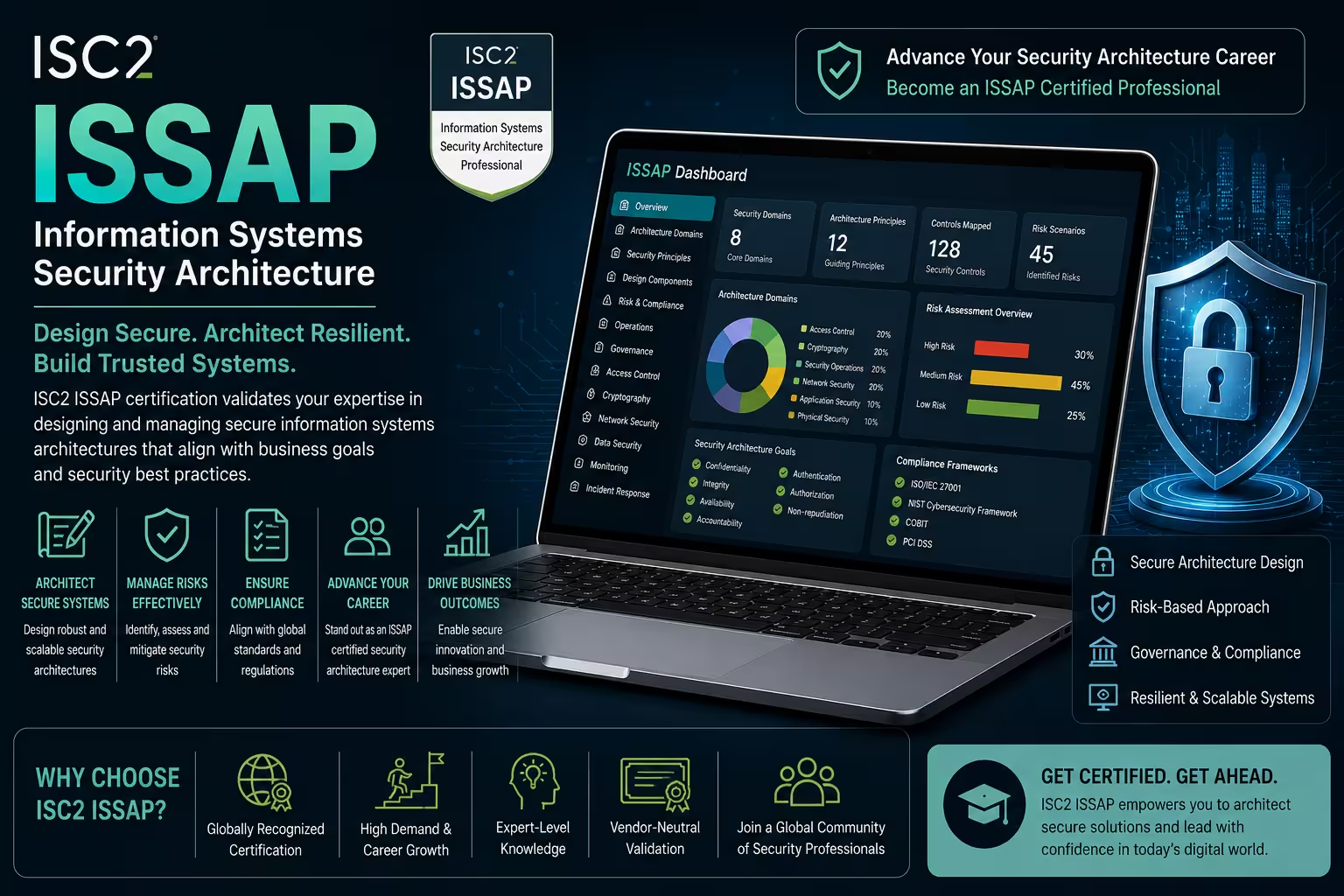
ISC2 ISSAP stands for Information Systems Security Architecture Professional. It is an advanced cybersecurity credential focused on security architecture principles, enterprise security design, identity and access management, network security, cloud security, data protection, risk management, and security governance.
2. Who can join an ISC2 ISSAP training course?
ISSAP training is primarily suitable for cybersecurity professionals, security engineers, security architects, network security professionals, IT managers, security consultants, system administrators, and experienced information security practitioners. Professionals planning to move into security architecture can also use the training to strengthen their architectural knowledge.
3. Are there any prerequisites for learning ISSAP?
A background in cybersecurity, information security, IT infrastructure, networking, systems administration, or security engineering is helpful because ISSAP focuses on advanced architecture concepts. Candidates should also review the current ISC2 requirements for the official certification, as training participation and certification eligibility are separate matters.
4. Is ISSAP suitable for beginners?
ISSAP is an advanced security architecture subject, so it is generally more suitable for learners who already understand fundamental cybersecurity and IT concepts. Beginners can study the material, but gaining foundational knowledge of networking, security controls, risk management, IAM, and enterprise infrastructure first can make the learning experience more effective.
5. How long does ISC2 ISSAP training take?
The training duration depends on the curriculum, learning format, batch schedule, and practical coverage. Weekday, weekend, online, and customized corporate programs may have different schedules. A comprehensive program typically combines instructor-led sessions, architecture exercises, case studies, assessments, and project-based learning.
6. What will I learn in ISSAP training?
You will learn security architecture principles, enterprise security design, IAM architecture, network security, cloud security, application security, data protection, threat modeling, risk assessment, security governance, business continuity, and security operations architecture. The course also emphasizes how to select and integrate security controls based on business and technology requirements.
7. Does the ISSAP course include practical training?
Yes. Practical learning can include architecture design exercises, threat modeling, risk assessment, IAM architecture, network segmentation, cloud security design, data protection planning, security control selection, and architecture documentation. These exercises help learners apply security architecture principles to realistic enterprise scenarios.
8. Will I work on real-time security architecture projects?
The course includes realistic project scenarios based on common enterprise security architecture challenges. Projects may involve analyzing business requirements, identifying threats, designing security controls, developing IAM and network architectures, assessing cloud security risks, and documenting an end-to-end security architecture.
9. What is enterprise security architecture?
Enterprise security architecture is the structured design of security capabilities across an organization's technology environment. It connects business requirements, risks, policies, technologies, processes, and security controls to create a coordinated approach for protecting applications, infrastructure, identities, data, and networks.
10. What is the role of a security architect?
A security architect designs and evaluates security solutions that protect an organization's systems and information. The role can involve analyzing business and technical requirements, assessing risks, selecting security controls, designing secure architectures, reviewing solutions, and ensuring security considerations are incorporated into technology decisions.
11. Does ISSAP training cover cloud security?
Yes. The course covers important cloud security architecture concepts including cloud service models, shared responsibility, cloud IAM, network security, data protection, workload security, multi-cloud considerations, and Zero Trust principles. The focus is on understanding how security architecture practices can be applied to modern cloud environments.
12. Does ISSAP training cover Identity and Access Management?
Yes. IAM is an important area of security architecture. Training covers authentication, authorization, access control models, RBAC, privileged access management, federation, single sign-on, identity governance, and Zero Trust identity concepts, helping learners understand how identity controls fit into an enterprise security architecture.
13. Does ISC2 ISSAP certification help with career development?
ISSAP certification can strengthen professional credibility for experienced security professionals working toward architecture-focused responsibilities. It demonstrates knowledge of information security architecture concepts, but certification alone does not guarantee employment. Practical experience, technical skills, communication abilities, and relevant project exposure remain important for career development.
14. What career opportunities are available after ISSAP training?
Depending on your experience and qualifications, you can explore positions such as Security Architect, Enterprise Security Architect, Information Security Architect, Cybersecurity Architect, Cloud Security Architect, Security Consultant, IAM Architect, Network Security Architect, and Information Security Consultant.
15. What is the future scope of information security architecture?
Security architecture continues to evolve as organizations adopt cloud computing, Zero Trust, hybrid infrastructure, digital platforms, AI technologies, and increasingly complex enterprise environments. Professionals who understand how to translate business risks into secure, scalable architectures can develop relevant expertise for modern cybersecurity programs across multiple industries.
Get Training Quote for Free
Testimonials
Hear What Our Students Say
"Transform your life through Education, hear it from our Alumni"

6 LPA
Fathima
Student
Software Engineer
"Transform your life through Education, hear it from our Alumni"

8 LPA
Siddharth
NIELSON IQ
Data Analyst
"Transform your life through Education, hear it from our Alumni"

8 LPA
Rahul
Student
Data Scientist