Course Objectives
1. What will you learn in the CISSP course?
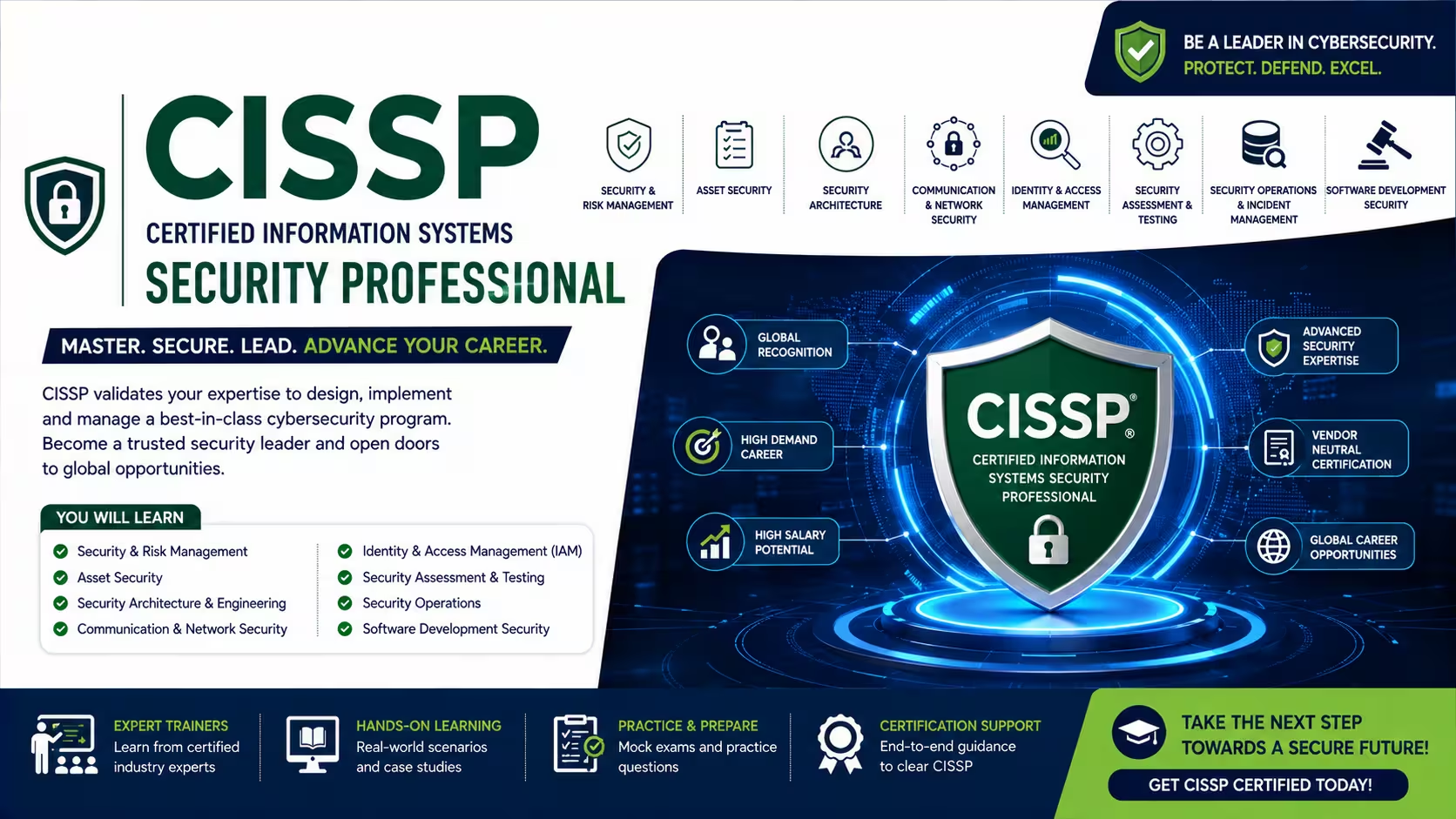
You will learn the core concepts of information security, including security and risk management, asset security, network security, identity and access management, security operations, software security, and cybersecurity governance based on the CISSP Common Body of Knowledge (CBK).
2. How does this course prepare you for real-world cybersecurity projects?
The course provides hands-on experience in implementing security controls, performing risk assessments, securing enterprise networks, managing security operations, ensuring compliance, and responding to cybersecurity incidents.
3. What practical skills will you develop during the training?
You will gain expertise in cybersecurity governance, security architecture, risk management, identity and access management (IAM), network security, cloud security, incident response, security operations, and compliance management.
4. How will real-time projects improve your CISSP skills?
You will work on enterprise security projects involving risk assessments, security policy implementation, identity management, network security architecture, incident response planning, and security audits.
5. What career opportunities can you pursue after learning CISSP?
This course prepares you for roles such as Information Security Manager, Cybersecurity Consultant, Security Architect, Security Analyst, Security Engineer, Risk and Compliance Manager, IT Auditor, and Chief Information Security Officer (CISO).
Popular Techniques Covered in This Course
1.Security and Risk Management
2.Asset Security
3.Security Architecture and Engineering
4.Communication and Network Security
5.Security Operations
6.Security Assessment and Testing
7.Software Development Security
8.Disaster Recovery and Business Continuity
9.Professional Ethics and Compliance
Identity and Access Management (IAM)
Get Hands-on Knowledge about Real-Time Projects
Project 1
Project 1: Enterprise Risk Assessment
Identify security risks, evaluate vulnerabilities, recommend mitigation strategies, and prepare a comprehensive enterprise risk assessment report.
Project 2
Project 2: Security Policy and Compliance Framework
Develop organizational security policies, access control standards, compliance procedures, and governance documentation aligned with industry best practices.
Project 3
Project 3: Identity and Access Management Implementation
Configure role-based access control (RBAC), multi-factor authentication (MFA), privileged access management, and user lifecycle management.
Project 4
Project 4: Network Security Architecture Design
Design a secure enterprise network with firewalls, VPNs, intrusion detection systems, segmentation, and secure communication protocols.
Project 5
Project 5: Cybersecurity Incident Response Plan
Create and test an incident response framework for ransomware attacks, phishing incidents, insider threats, and security breaches.
Key Features
Edubrights offers CISSP Training in virtual mode with expert trainers. Here are the key features,
40 Hours Course Duration
100% Job Oriented Training
Industry Expert Faculties
Free Demo Class Available
Completed 500+ Batches
Certification Guidance
Curriculum
Domain 1: Security and Risk Management (16%)
- Security Governance Principles
- Confidentiality, Integrity, and Availability (CIA Triad)
- Compliance, Legal, and Regulatory Issues (e.g., GDPR, HIPAA, PCI-DSS)
- Risk Management: Identification, Assessment, Mitigation, and Treatment
- Security Policies, Standards, Procedures, and Guidelines
- Professional Ethics and Security Awareness
- Planning Disaster Recovery (DR)
- Planning Business Continuity (BC)
Domain 2: Asset Security (10%)
- Information and Asset Classification
- Data Handling and Protection Methods
- Data Lifecycle Management and Retention
- Privacy Protection and Data Security Controls
Domain 3: Security Architecture and Engineering (13%)
- Security Models and Concepts (e.g., Bell-LaPadula, Biba)
- Security Engineering Processes and Secure Design Principles
- Cryptography Fundamentals and Applications
- Physical Security Controls and Site Security
- Emerging Technologies and Security Frameworks
Domain 4: Communication and Network Security (13%)
- Secure Network Architecture and Design
- Network Components and Protocols
- Secure Communication Channels (e.g., VPN, TLS)
- Cloud Computing and Virtualization Security
- Wireless and Mobile Network Security
Domain 5: Identity and Access Management (IAM) (13%)
- Identification, Authentication, and Authorization Mechanisms
- Access Control Models (e.g., DAC, MAC, RBAC)
- Identity as a Service (IDaaS) and Federation
- Privileged Access Management and Single Sign-On (SSO)
Domain 6: Security Assessment and Testing (12%)
- Security Control Testing and Validation
- Vulnerability Assessment and Penetration Testing
- Security Audits and Compliance Assessments
- Log Collection and Analysis
Domain 7: Security Operations (13%)
- Incident Response and Handling
- Digital Forensics and Investigation
- Threat Intelligence and Monitoring
- Configuration and Change Management
- Resource Protection and Operational Resiliency
- Disaster Recovery and Business Continuity Execution
Domain 8: Software Development Security (10%)
- Secure Software Development Lifecycle (SDLC)
- Development Environment Security Controls
- Software Security Testing and Assessment
- Managing Security of Acquired Software
Receive Training From Our Skilled and Effective Trainers
Experience in the Industry Gain knowledge from experts with practical CISSP project experience in a variety of sectors.
Backgrounds at the Top Prominent corporations such as hcl, tcs , accenture and cognizant employ trainers.
Clear & Effective Teaching Excellent communication and real-world examples simplify complex subjects.
Hands-On Learning Focus Students can apply their abilities in real-world situations with the use of case studies and real-time projects.
Up-to-Date Knowledge Trainers stay current with the latest tools, techniques and best practices.
Succeed Our Resourceful Certification
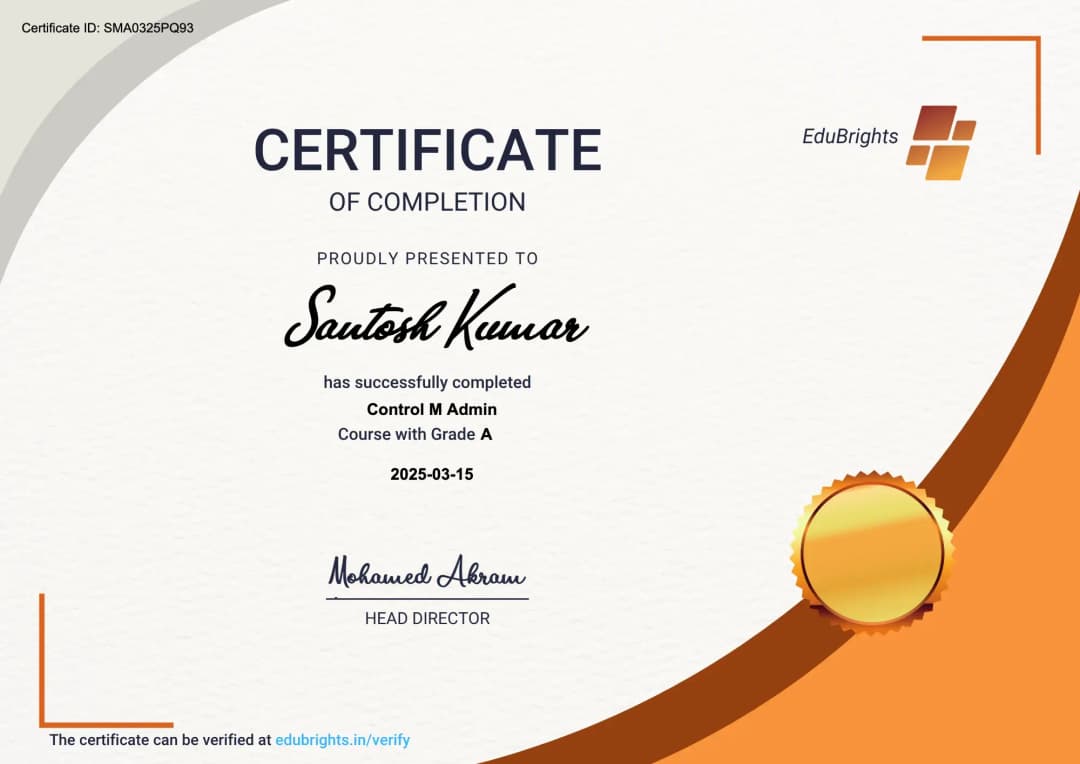
The Certified Information Systems Security Professional (CISSP) is a globally recognized certification by (ISC)² that validates an information security professional’s deep technical and managerial expertise to design, implement, and manage an organization’s cybersecurity program. Covering eight comprehensive domains—including risk management, asset security, security architecture, network security, identity and access management, security operations, and software development security
Course FAQs
1.What is CISSP certification?
CISSP stands for Certified Information Systems Security Professional. It is a professional information security certification covering areas such as security and risk management, asset security, security architecture, network security, identity and access management, security assessment, security operations and software development security.
2. What is CISSP training in Chennai?
CISSP training in Chennai provides structured preparation for the CISSP certification and covers the major security domains included in the certification syllabus. Training can help learners understand security concepts, prepare for exam-style questions and build a systematic study plan for the CISSP examination.
3. Who should pursue CISSP certification?
CISSP certification is suitable mainly for experienced IT and cyber security professionals who want to advance their careers in information security. Security engineers, security consultants, security managers, security architects and other security professionals can consider CISSP as part of their professional development.
4. What are the CISSP eligibility requirements?
CISSP certification has professional experience requirements. Candidates should review the current eligibility requirements from the official certification body before registering for the examination, as eligibility can depend on relevant work experience, education and other applicable conditions.
5. Is CISSP suitable for freshers?
CISSP is primarily designed for professionals with relevant information security experience, so it may not be the ideal first certification for complete beginners. However, freshers interested in building a long-term career in cyber security can study CISSP concepts and use the knowledge as preparation for future professional certification.
6. How much work experience is required for CISSP?
CISSP has a defined professional work-experience requirement covering relevant information security areas. Since certification requirements can change, candidates should verify the latest experience requirements with the official certification body before applying for the CISSP examination.
7. What are the eight CISSP domains?
The CISSP certification covers eight major security domains:
- Security and Risk Management
- Asset Security
- Security Architecture and Engineering
- Communication and Network Security
- Identity and Access Management
- Security Assessment and Testing
- Security Operations
- Software Development Security
These domains provide broad coverage of information security principles, governance, infrastructure, access management, security testing and security operations.
8. Does the course cover all CISSP exam domains?
CISSP training is designed around the major knowledge areas required for CISSP exam preparation. The training can cover all eight CISSP domains, helping learners build knowledge across security and risk management, asset security, security architecture, network security, identity and access management, security assessment, security operations and software development security.
9. What is the CISSP certification process?
The CISSP certification process generally involves checking your eligibility, preparing across the required security domains, registering for the examination, taking the exam and completing the applicable certification requirements after passing. Candidates should verify the latest certification process and requirements before registration.
10. How can I prepare for the CISSP exam?
You can prepare for the CISSP exam by studying all eight domains systematically, understanding the underlying security concepts and following a consistent study schedule. Regular practice with exam-style questions, mock tests and revision can help identify knowledge gaps and improve your overall exam preparation.
11. Does the training include CISSP study materials?
CISSP preparation can include structured study materials covering the relevant security domains. These materials can support concept revision and help learners follow a systematic preparation plan. The exact study materials included with the current Edubrights training should be confirmed before enrollment.
12. Are practice tests included in the course?
Practice tests can help CISSP learners become familiar with exam-style questions and identify areas that require additional revision. They can also help learners evaluate their understanding across the different CISSP domains. The availability of practice tests depends on the current Edubrights training plan.
13. Does the course include mock exams?
Mock exams can help learners evaluate their CISSP preparation under exam-like conditions. They can be useful for identifying weaker domains, improving time management and building confidence before the actual examination. The availability of mock exams should be confirmed with Edubrights for the current batch.
14. Is instructor-led CISSP training available in Chennai?
Instructor-led CISSP training can provide structured guidance through the CISSP domains and allow learners to clarify complex security concepts during training. The current availability of instructor-led batches, trainer schedules and delivery options should be confirmed with Edubrights before enrollment.
15. How long does CISSP preparation take?
The time required for CISSP preparation varies depending on your existing information security knowledge, professional experience, study schedule and familiarity with the eight domains. A consistent preparation plan combining training, self-study, practice questions and revision can help learners prepare effectively.
16. What is the difference between CISSP and CEH?
CISSP provides broad coverage of information security, including governance, risk management, security architecture, operations and other security domains. CEH focuses more specifically on ethical hacking concepts, attack techniques and security-testing methodologies.
In simple terms, CISSP is broader and focused on professional information security, while CEH is more focused on ethical hacking and security testing.
17. What job roles can I pursue after CISSP?
CISSP can support career progression into various information security roles depending on your professional experience and technical background. Potential roles include Cyber Security Manager, Information Security Manager, Security Architect, Security Consultant, Security Engineer, Security Analyst and Security Program Manager.
18. Is CISSP useful for security managers?
Yes. CISSP can be valuable for security managers because it covers broader areas such as security governance, risk management, security architecture, identity and access management, security operations and security strategy. This broad knowledge can support professionals responsible for managing information security within an organization.
19. Does EduBrights provide CISSP interview support?
Interview support depends on the services included in the current Edubrights CISSP training program. Where provided, career and interview guidance can help learners prepare for technical discussions, security concepts and role-related interview questions. Learners should confirm the current interview-support services with Edubrights before enrollment.
20. What are the CISSP course batch timings in Chennai?
CISSP course batch timings can vary depending on the current Edubrights training schedule and available batches in Chennai. For the latest information about batch timings, course duration, trainer availability and training mode, learners should confirm the current schedule directly with Edubrights.
Get Training Quote for Free
Testimonials
Hear What Our Students Say
"Transform your life through Education, hear it from our Alumni"

6 LPA
Fathima
Student
Software Engineer
"Transform your life through Education, hear it from our Alumni"

8 LPA
Siddharth
NIELSON IQ
Data Analyst
"Transform your life through Education, hear it from our Alumni"

8 LPA
Rahul
Student
Data Scientist