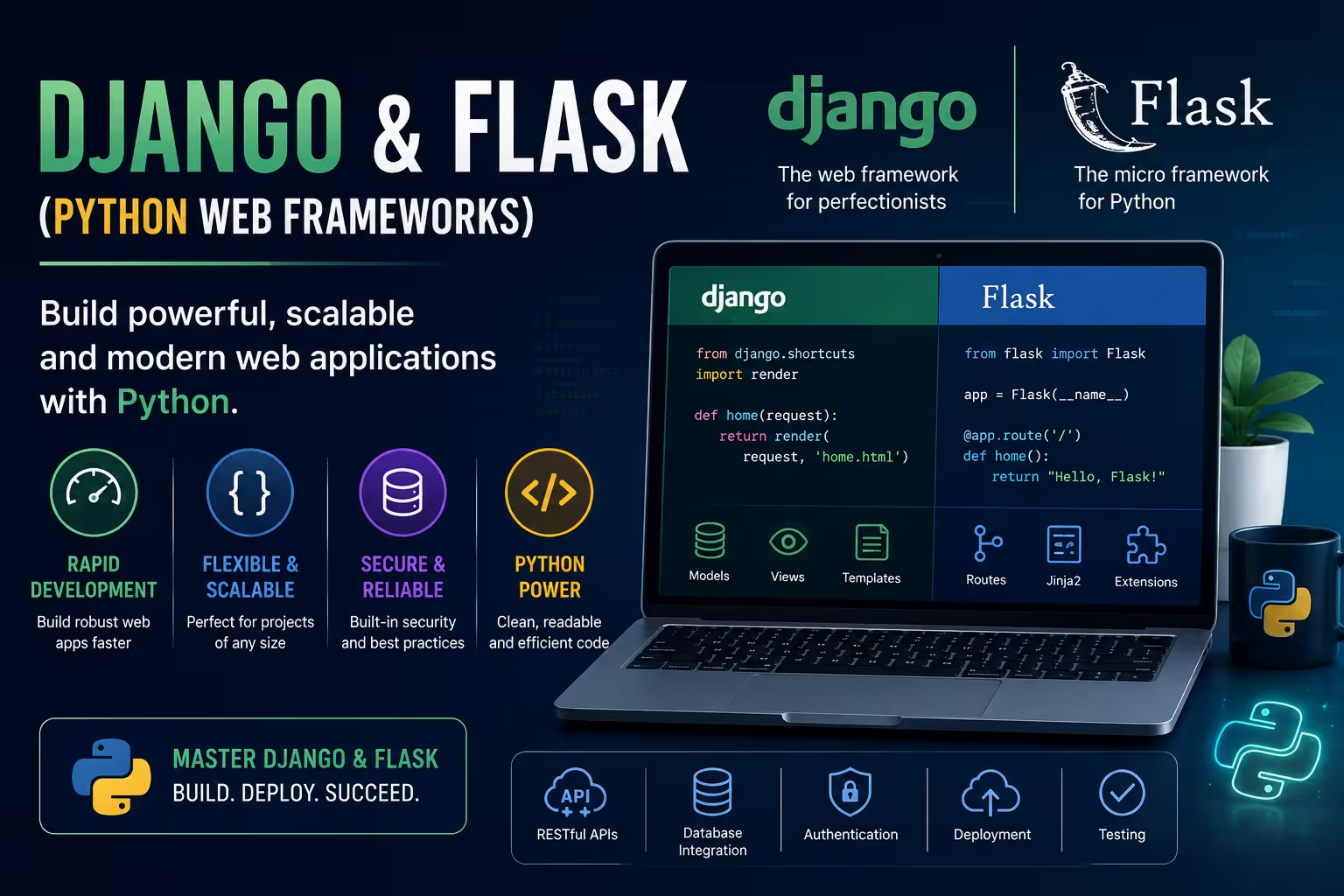
Course Objectives
1. What will I learn by taking the Django & Flask (Python Web Frameworks) course in Bangalore?
You'll build a solid understanding of the core concepts, terminology, and fundamentals of Django & Flask (Python Web Frameworks), giving you a strong foundation to build on.
2. What hands-on skills will I gain from the Django & Flask (Python Web Frameworks) training?
You'll get hands-on experience with industry-relevant Django & Flask (Python Web Frameworks) tools and workflows through guided exercises, so you learn by doing rather than just reading theory.
3. How does the Django & Flask (Python Web Frameworks) course prepare me for real-world work?
The Django & Flask (Python Web Frameworks) course is designed around how Django & Flask (Python Web Frameworks) is actually applied to solve real-world problems in professional settings, not just textbook scenarios.
4. What practical, job-ready skills will I build during Django & Flask (Python Web Frameworks) training in Bangalore?
You'll develop the practical skills needed to confidently work with Django & Flask (Python Web Frameworks) on the job, so you're ready to contribute from day one in a Django & Flask (Python Web Frameworks) role.
5. Will I work on real projects during the Django & Flask (Python Web Frameworks) course?
Yes, the Django & Flask (Python Web Frameworks) course includes real-time projects and case studies that reinforce concepts through practice, giving you portfolio-ready work by the end.
6. How does the Django & Flask (Python Web Frameworks) course help with certification and job interviews?
The Django & Flask (Python Web Frameworks) course is structured to help you prepare for relevant certifications and interviews, covering the concepts and terminology employers and exam boards expect.
Popular Techniques Covered in This Course
Django & Flask fundamentals
Models, Views, and Templates
Database integration (SQLite & PostgreSQL)
User authentication & authorization
REST API development
Form handling and validation
Session and cookie management
Application deployment
Project structure and best practices
Debugging and testing web apps
Get Hands-on Knowledge about Real-Time Projects
Project 1
Project 1: E-Commerce Website with Django
Build a full-featured online store with cart, payments, and admin panel.
Project 2
Project 2: Blog Application with Flask
Develop a dynamic blog platform with user authentication.
Project 3
Project 3: REST API Backend
Create a RESTful API using Django REST Framework.
Project 4
Project 4: Todo Application with Django
Build a complete task management application with user accounts.
Project 5
Project 5: Portfolio Website with Flask
Develop a professional portfolio site with contact forms and deployment.
Key Features
Edubrights offers Django & Flask (Python Web Frameworks) Training in virtual mode with expert trainers. Here are the key features,
40 Hours Course Duration
100% Job Oriented Training
Industry Expert Faculties
Free Demo Class Available
Completed 500+ Batches
Certification Guidance
Curriculum
Module 1: Introduction to Python Web Frameworks
- Overview of Django and Flask
- Django vs. Flask: When to use which
- Python web development ecosystem
- Virtual environments and pip
- Python web framework architecture
Module 2: Django Fundamentals
- Django project and app structure
- Settings, URLs, and WSGI
- Django MVT (Model-View-Template) pattern
- Django management commands
- Django debug toolbar
Module 3: Django Models and ORM
- Model definition and field types
- Migrations: makemigrations and migrate
- QuerySet API for CRUD
- Model relationships: ForeignKey, ManyToMany
- Django Admin for data management
Module 4: Django Views and URLs
- Function-based views (FBV)
- Class-based views (CBV)
- URL routing and named URLs
- URL patterns with regex and path converters
- Mixins for reusable view logic
Module 5: Django Templates
- Django Template Language (DTL)
- Template inheritance and blocks
- Template filters and tags
- Static files: CSS, JS, images
- Jinja2 as alternative template engine
Module 6: Django REST Framework (DRF)
- DRF architecture and serializers
- APIView and ViewSets
- Routers for URL generation
- Authentication: Token, JWT, Session
- Permissions and throttling in DRF
Module 7: Flask Fundamentals
- Flask application factory pattern
- Flask routing and view functions
- Jinja2 templates with Flask
- Flask Blueprints for modular apps
- Flask configuration management
Module 8: Flask Extensions
- Flask-SQLAlchemy for ORM
- Flask-Migrate for migrations
- Flask-Login for authentication
- Flask-RESTful and Flask-RESTX
- Flask-JWT-Extended for JWT auth
Module 9: Database Integration
- PostgreSQL with Django and Flask
- MySQL integration
- MongoDB with Djongo / MongoEngine
- Redis for caching with Django
- Celery for async task queues
Module 10: Authentication and Security
- Django built-in authentication
- Social auth with django-allauth
- CSRF protection
- SQL injection prevention in ORM
- HTTPS and security middleware
Module 11: Deployment
- Gunicorn and uWSGI for production
- Nginx as reverse proxy
- Docker for Django/Flask deployment
- Deploying to AWS, Heroku, and OCI
- CI/CD with GitHub Actions for Python apps
Module 12: Real-Time Projects and Case Studies
- Django e-commerce REST API
- Flask microservice for data processing
- End-to-end Python web framework project
- Certification and interview preparation
Receive Training From Our Skilled and Effective Trainers
Experience in the Industry Gain expertise from Django & Flask (Python Web Frameworks) professionals training in Bangalore who have applied their skills on live projects across corporate, product, and consulting environments, bringing practical, real-world context into every Django & Flask (Python Web Frameworks) session.
Backgrounds at the Top Our Django & Flask (Python Web Frameworks) trainers in Bangalore bring hands-on industry experience, having worked on real Django & Flask (Python Web Frameworks) projects for organizations across various industries before moving into training.
Clear & Effective Teaching Core Django & Flask (Python Web Frameworks) concepts, tools, and workflows are explained using real project examples and practical scenarios, so you understand not just the theory but how Django & Flask (Python Web Frameworks) is actually used on the job.
Hands-On Learning Focus Students get structured, hands-on practice with Django & Flask (Python Web Frameworks) through guided exercises, mini-projects, and lab work designed to build practical, job-ready skills.
Up-to-Date Knowledge Trainers keep the Django & Flask (Python Web Frameworks) curriculum current with the latest tools, versions, and industry best practices, so what you learn stays relevant to how Django & Flask (Python Web Frameworks) is used today in Bangalore and beyond.
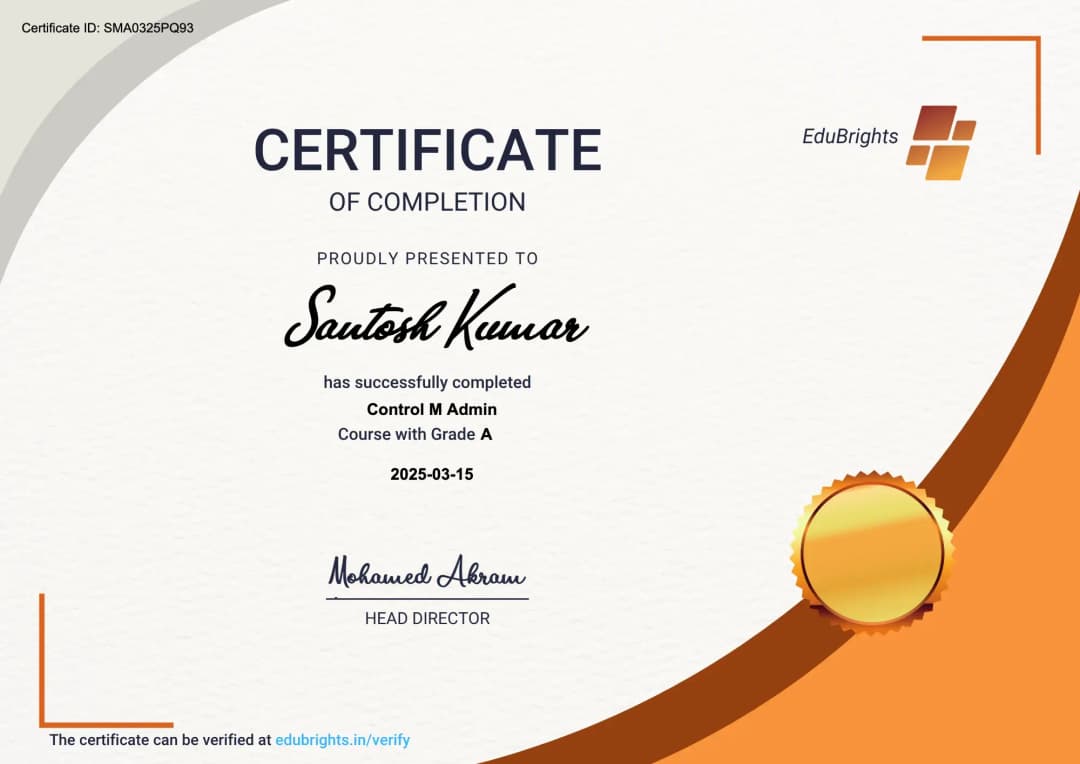
About Our Course Certification*
Our institution offers a recognized Django & Flask (Python Web Frameworks) certification. This certification enhances your portfolio and prepares you for collaborative projects in real-world environments. Gain practical skills through hands-on training and assessments.
Course FAQs
Q1: What makes the Django and Flask web frameworks course in Bangalore at Edubrights stand out?
A: Our Django and Flask course in Bangalore stands out due to its dual-framework approach, allowing you to master both the robust, battery-included Django framework for enterprise applications and the lightweight, flexible Flask micro-framework for rapid prototyping and microservices. We emphasize hands-on learning with real-world projects, RESTful API development, database management, and cloud deployment, ensuring you are thoroughly prepared for the diverse needs of Bangalore’s startup, SaaS, and Global Capability Center job markets.
Q2: Can freshers or engineering graduates from Bangalore join this Python web framework training?
A: Absolutely, fresh graduates and engineering students from local institutions are highly encouraged to join, provided they have a basic understanding of Core Python. If you are new to Python, we offer foundational modules to bring you up to speed before diving into web frameworks. This structured approach ensures that you can comfortably grasp web development concepts, build practical coding skills, and successfully transition into high-demand backend and full-stack developer roles within Bangalore’s competitive tech corridors.
Q3: Is prior knowledge of Core Python required for this course?
A: Yes, a solid understanding of Core Python is recommended as we focus specifically on web application development using Django and Flask. You should be comfortable with variables, data types, functions, loops, and Object-Oriented Programming concepts. If you need a refresher, our counselors can guide you to our foundational Python resources to ensure you are fully prepared for the advanced web framework curriculum.
Q4: What is the difference between Django and Flask, and why learn both?
A: Django is a high-level, "battery-included" framework that provides built-in features like an admin panel, authentication, and ORM, making it ideal for large-scale, complex enterprise applications often found in Bangalore’s GCCs. Flask, on the other hand, is a lightweight micro-framework that gives you more control and flexibility, making it perfect for small projects, microservices, and APIs favored by startups. Learning both allows you to choose the right tool for the job, making you a versatile developer capable of handling diverse project requirements.
Q5: What kind of real-time projects are included in the Django and Flask curriculum?
A: You will work on multiple end-to-end real-time projects that simulate actual corporate software development scenarios relevant to Bangalore’s industries. These include building a comprehensive e-commerce platform with payment integration using Django, developing a lightweight RESTful API for a mobile app using Flask, creating a content management system with custom admin panels, and deploying a microservices-based architecture, all of which will form a strong, verifiable portfolio for your resume.
Q6: What kind of placement support is provided for Django and Flask students in Bangalore?
A: We provide comprehensive, job-oriented placement assistance tailored specifically for the Bangalore market, targeting both agile startups and established multinational Global Capability Centers. This includes personalized resume building that highlights your backend development skills and project experience, LinkedIn profile optimization for tech recruiters, rigorous mock technical and HR interviews, and direct referrals to our extensive network of hiring partners across the city’s major tech hubs.
Q7: Who are the trainers delivering the Django and Flask course in Bangalore?
A: Our trainers are senior backend engineers and Python developers with over a decade of hands-on experience working on live enterprise projects in top multinational corporations and successful tech startups. They bring real-world coding challenges, industry best practices for scalable web architecture, and practical debugging techniques directly into the classroom, ensuring you learn exactly what is expected in a professional corporate development environment.
Q8: Do students get hands-on coding lab access during the course?
A: Yes, theoretical knowledge is insufficient for mastering web frameworks, which is why we provide every student with dedicated access to hands-on coding environments. You will practice building models, views, templates, and APIs in real-time, using industry-standard IDEs like PyCharm and VS Code, ensuring you build the practical muscle memory required for real-world backend development.
Q9: Are there weekend or fast-track batches available for working IT professionals in Bangalore?
A: Yes, we understand the demanding schedules of software engineers and IT professionals working in Bangalore’s fast-paced tech sector, which is why we offer dedicated weekend batches as well as fast-track weekday options. The curriculum, lab access, and quality of training remain exactly the same across all batch types, ensuring you can upskill and transition into a backend development career without disrupting your current job responsibilities.
Q10: Is a free demo class available before enrolling in the Bangalore Django and Flask batch?
A: Absolutely, we offer a free demo class where you can experience our teaching methodology, interact with our expert trainers, and get a clear glimpse of the curriculum structure and coding environment. This session is designed to help you evaluate the quality of our training and ensure it aligns perfectly with your learning goals and career expectations before you make any enrollment commitment.
Q11: What is the typical duration of the Django and Flask web frameworks course?
A: The standard duration of our specialized course is approximately two to three months, covering around 40 to 60 hours of intensive, structured live training and hands-on coding practice. This timeline is carefully designed to give you ample time to grasp complex web architecture concepts, practice extensively on assignments, and complete substantial capstone projects without feeling rushed.
Q12: Will I receive a certification upon completing the Django and Flask training?
A: Yes, upon successful completion of the course and the final capstone project, you will receive an industry-recognized training certificate from Edubrights. While this certificate validates your comprehensive training, we place equal emphasis on helping you build a strong portfolio of live projects and GitHub repositories, which together significantly boost your credibility during technical job interviews.
Q13: Does the course cover Django REST Framework (DRF) for API development?
A: Yes, Django REST Framework is a critical skill for modern backend development, and we cover it extensively. You will learn how to build, test, and document robust RESTful APIs, implement serialization, handle authentication and permissions, and integrate these APIs with frontend frameworks like React or mobile applications, making you highly valuable for full-stack and API-focused roles in Bangalore’s tech companies.
Q14: How deeply is database management and ORM covered in the training?
A: Database management is a core pillar of our curriculum, and we cover it in great detail using Django’s powerful Object-Relational Mapper (ORM) and SQLAlchemy for Flask. You will learn how to design database schemas, perform complex queries, manage relationships between tables, and optimize database performance using PostgreSQL or MySQL, ensuring your applications can handle large volumes of data efficiently.
Q15: Does the training include version control and Git practices?
A: Yes, version control is mandatory for any professional developer, and we integrate Git and GitHub deeply into the curriculum. You will learn how to create repositories, manage branches, commit code, and collaborate on projects using pull requests and code reviews, simulating the exact workflow you will experience in a professional Agile development team.
Q16: How does the program help traditional IT staff transition to backend development roles?
A: We have designed a specific transition pathway for manual testers, IT support staff, or legacy system administrators already working in the tech sector. The curriculum builds upon your existing understanding of software lifecycles, introducing modern web frameworks, API integration, and cloud deployment in a contextualized manner, allowing you to leverage your domain expertise while rapidly acquiring in-demand backend coding skills.
Q17: Are there case studies based on real-world web application challenges?
A: Yes, our training is heavily grounded in reality, featuring detailed case studies of actual architectural challenges faced by software companies. We analyze scalability issues, security vulnerabilities, and performance bottlenecks in web applications, and discuss the refactoring and optimization steps taken by senior engineers, ensuring you understand how to write production-ready, maintainable code.
Q18: Does the course cover web security best practices in Django and Flask?
A: Yes, secure coding is a critical aspect of modern web development, and we dedicate specific modules to it. You will learn how Django inherently protects against common vulnerabilities like CSRF and SQL injection, and how to implement additional security measures in Flask, such as secure session management, input validation, and HTTPS enforcement, ensuring your applications are robust and safe.
Q19: What specific job roles can I target after completing this course in Bangalore?
A: Upon successful completion, you will be well-prepared to apply for roles such as Python Backend Developer, Django Developer, Flask Developer, API Engineer, and Full Stack Web Developer. The blend of robust enterprise framework skills and lightweight microservice capabilities equips you to meet the diverse requirements of these high-demand positions in Bangalore’s thriving tech sector.
Q20: Do you teach frontend integration with Django templates and Jinja2?
A: Yes, while the focus is on backend logic, we cover essential frontend integration techniques. You will learn how to use Django’s template engine and Flask’s Jinja2 to render dynamic HTML pages, pass context data, and create responsive user interfaces, ensuring you can build complete, functional web applications even without a separate frontend framework.
Q21: How are mock interviews conducted to prepare students for backend job interviews?
A: We conduct rigorous, multi-stage mock interviews that simulate real technical rounds conducted by top tech companies. These sessions include live Python coding challenges, system design questions focused on web architecture, database schema design discussions, and deep dives into your project experience, with our trainers providing detailed, constructive feedback to help you refine your problem-solving skills under pressure.
Q22: Are study materials, code snippets, and recorded sessions provided?
A: Yes, we provide a rich repository of learning resources, including detailed presentation slides, step-by-step coding guides, cheat sheets for Django and Flask commands, and recorded sessions of all live classes. All these materials are accessible via our Learning Management System, allowing you to review complex topics and replicate coding exercises at your own pace long after the live sessions have ended.
Q23: Does the course cover testing frameworks for web applications?
A: Yes, writing testable code is a hallmark of professional software development, and we introduce you to essential testing methodologies. You will learn how to write unit tests and integration tests for your Django and Flask applications using tools like PyTest and Django’s built-in test client, ensuring that your web services are reliable, bug-free, and ready for continuous integration.
Q24: Is there support for students returning to the workforce after a career gap?
A: Yes, our program is highly supportive of candidates returning to the workforce after a career gap. We provide dedicated mentorship to help you refresh your Core Python and web concepts before diving into complex framework architectures. Additionally, our placement team works closely with you to frame your career gap positively on your resume and prepares you to confidently address it during interviews with our hiring partners.
Q25: Are there opportunities for live internships or industry exposure in Bangalore?
A: Yes, we actively facilitate internship opportunities for deserving students with our partner organizations in Bangalore’s tech sector. These internships provide invaluable real-world experience, allowing you to work alongside seasoned backend engineers on live Django or Flask projects, which significantly enhances your resume and increases your chances of securing a full-time role in the city’s competitive market.
Q26: How does the course keep up with the latest Django and Flask updates?
A: Our curriculum is continuously reviewed and updated by our expert trainers who are actively working on live software projects in the industry. We regularly incorporate new framework releases, asynchronous capabilities in Django and Flask, and shifts in market demand, ensuring that the skills you learn are exactly what top employers in Bangalore are currently seeking in backend developers.
Q27: Is soft skills and client communication training included in the program?
A: Absolutely, technical expertise must be paired with strong communication skills to succeed as a developer. We integrate soft skills training into the curriculum, focusing on requirement gathering, API documentation, technical specification writing, and effective stakeholder management, which are essential for collaborating effectively within cross-functional development teams.
Q28: Can I connect with past students who have successfully placed in Bangalore tech companies?
A: Yes, we can connect you with our active alumni network so you can hear firsthand about their learning experience and career progression. Speaking with former students who have successfully secured backend developer roles in Bangalore provides valuable, realistic insights into how the course helped them and what to expect from our training and placement process.
Q29: Does the training cover deployment of Django and Flask apps to the cloud?
A: Yes, deployment is a critical final step, and we cover it extensively. You will learn how to containerize your applications using Docker, configure web servers like Gunicorn and Nginx, and deploy your Django and Flask projects to cloud platforms like AWS, Heroku, or DigitalOcean, ensuring you understand the complete lifecycle from code to production.
Q30: Will I learn about asynchronous programming in Django and Flask?
A: Yes, modern web applications require high concurrency, and we introduce you to asynchronous capabilities. You will learn how to use async views in Django and asyncio in Flask to handle multiple requests efficiently, improving the performance and scalability of your web applications under heavy load, a key requirement for high-traffic SaaS products.
Q31: Are there group projects or coding challenges included in the training?
A: Yes, we encourage collaborative learning by organizing regular group web development projects. These activities simulate real-world Agile environments where you must work together to build a functional backend system, managing API endpoints and database structures, building essential teamwork and version control skills highly valued by hiring managers.
Q32: How does the course prepare students for technical coding assessments?
A: We provide dedicated modules focused on data structures, algorithms, and web-specific problem solving in Python. You will practice solving problems related to API design, database optimization, and backend logic on platforms similar to those used by top tech companies, ensuring you can clear online coding rounds with confidence.
Q33: Do you offer customized corporate Django and Flask training for companies in Bangalore?
A: Yes, we offer customized corporate training programs tailored to the specific technology stack and project requirements of companies in Bangalore. If your organization needs to upskill its development team on modern Django practices, Flask microservices, or API development, we can design a bespoke curriculum and schedule flexible batches to meet your corporate technology goals efficiently.
Q34: What is the expected salary trajectory for Django and Flask developers in Bangalore?
A: While salaries vary based on individual performance and experience, entry-level backend developers in Bangalore typically start with highly competitive packages that grow rapidly with skill acquisition. With the advanced competencies in enterprise frameworks, API design, and cloud deployment that you gain from our course, you are well-positioned to negotiate strong starting offers in the city’s premium job market.
Q35: How can I register and start my learning journey for the Django and Flask batch in Bangalore?
A: You can easily register by visiting our website and filling out the inquiry form, or by calling our admissions team directly. Our dedicated counselors will guide you through the enrollment process, explain the available batch schedules, and help you choose the learning mode that best fits your personal and professional schedule, ensuring a smooth start to your backend development career.
Q36: Does the course cover user authentication and authorization systems?
A: Yes, secure user management is critical, and we cover it in depth. You will learn how to implement registration, login, password reset, and role-based access control using Django’s built-in auth system and Flask extensions like Flask-Login, ensuring your applications protect user data and restrict access to sensitive features effectively.
Q37: Will I learn about caching mechanisms to improve web performance?
A: Yes, performance optimization is key, and we teach you how to implement caching strategies. You will learn how to use Redis or Memcached with Django and Flask to cache database queries, template fragments, and entire views, significantly reducing server load and improving response times for your web applications.
Q38: Is there post-training support for interview preparation or project queries?
A: Yes, our commitment to your success extends well beyond the final day of the course. We provide ongoing post-training support, which includes continued access to our alumni community, guidance on specific job interview preparations, and assistance in understanding real-world coding scenarios or framework updates you might encounter as a professional.
Q39: How does the course help students build a strong GitHub portfolio for backend roles?
A: We guide you in building a professional GitHub portfolio that showcases your backend expertise. You will learn how to structure your repositories, write clear API documentation in READMEs, and showcase your Django and Flask projects effectively, serving as tangible proof of your coding capabilities to potential employers who value practical expertise.
Q40: Does the training cover signal handling and middleware in Django?
A: Yes, advanced Django features like signals and middleware are covered to give you deeper control over your application’s behavior. You will learn how to trigger actions based on model events using signals and how to process requests and responses globally using middleware, enabling you to build complex, event-driven web applications.
Q41: Can non-IT professionals successfully transition into Python web development?
A: Yes, non-IT professionals with strong logical reasoning can successfully transition into web development. Our course provides the necessary technical foundation, and if you have domain knowledge in fields like finance or logistics, you can leverage that to build specialized business applications, giving you a unique advantage in the job market.
Q42: Does the course cover Blueprints in Flask for modular application design?
A: Yes, structuring large Flask applications is crucial, and we teach you how to use Blueprints. You will learn how to organize your code into modular components, making your Flask applications more maintainable, scalable, and easier to collaborate on, which is a best practice in professional software development.
Q43: How are doubts and technical coding issues resolved during the training?
A: We maintain a highly interactive learning environment where trainers actively encourage questions throughout the live coding sessions. Additionally, we provide dedicated discussion forums where you can post your code snippets or describe debugging errors, and receive prompt, detailed resolutions from our expert trainers and teaching assistants.
Q44: Will I learn about task queues using Celery and Redis?
A: Yes, handling background tasks is essential for responsive web apps, and we cover Celery integration. You will learn how to offload time-consuming tasks like email sending or data processing to background workers using Celery and Redis, ensuring your Django or Flask application remains fast and responsive for users.
Q45: Does the training include guidance on freelancing and remote backend work?
A: Yes, for students interested in independent work, we provide guidance on how to start a career in freelancing. We cover how to build a compelling profile, estimate project costs for backend development, and communicate effectively with clients, helping you potentially earn income while you continue to build your expertise.
Q46: How does the course address the migration from monolithic Django to microservices?
A: For advanced learners, we discuss architectural patterns for scaling. You will learn how to identify boundaries within a large Django application and extract specific functionalities into independent Flask microservices, enabling you to design scalable, distributed systems that meet the needs of growing enterprises.
Q47: Is there a focus on clean code principles and PEP 8 standards in web dev?
A: Yes, writing maintainable code is a hallmark of a senior developer, and we instill clean code principles from day one. You will learn about PEP 8 styling guidelines, proper project structure for Django and Flask, and meaningful naming conventions, ensuring your web application code is easy for others to read, extend, and maintain.
Q48: Does the bootcamp cover continuous integration for web applications?
A: Yes, modern software delivery relies on automation, and we introduce you to Continuous Integration practices. You will learn how to set up automated testing and deployment pipelines for your Django and Flask projects using tools like GitHub Actions, ensuring that your code is automatically tested and ready for deployment upon every commit.
Q49: What makes Edubrights the preferred choice for Django and Flask training in Bangalore?
A: Edubrights stands out due to our comprehensive dual-framework curriculum, experienced industry trainers, and intense focus on real-world, hands-on projects. Our personalized career support, including GitHub portfolio building and dedicated placement assistance with Bangalore’s top tech companies, ensures you are not just certified but genuinely job-ready. We prioritize practical skill development and mentorship over mass enrollment.
Q50: Does the course cover internationalization and localization in Django?
A: Yes, building global-ready applications is important, and we cover internationalization (i18n) and localization (l10n) in Django. You will learn how to translate your web application into multiple languages and format dates, numbers, and currencies according to local preferences, enabling you to build software for a global audience.
Get Training Quote for Free
Testimonials
Hear What Our Students Say
"Transform your life through Education, hear it from our Alumni"

8 LPA
Siddharth
NIELSON IQ
Data Analyst
"Transform your life through Education, hear it from our Alumni"

6 LPA
Fathima
Student
Software Engineer
"Transform your life through Education, hear it from our Alumni"

8 LPA
Rahul
Student
Data Scientist