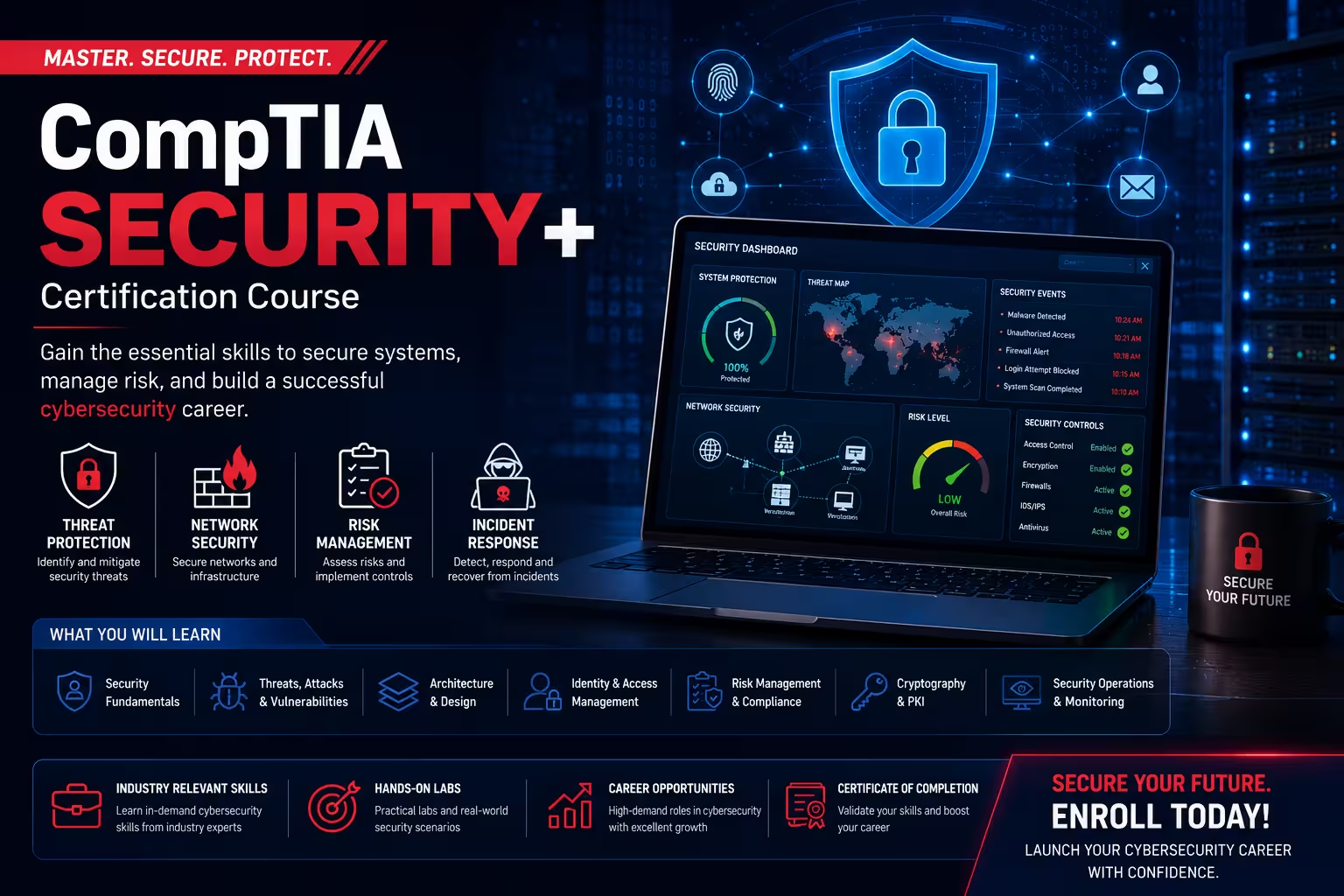
Course Objectives
1. Q: What is CompTIA Security+?
A: CompTIA Security+ is a globally recognized certification that validates foundational cybersecurity skills and knowledge.
2. Q: Why is network security important?
A: It protects systems, networks, and sensitive data from cyber threats and unauthorized access.
3. Q: What is Identity and Access Management (IAM)?
A: IAM ensures only authorized users can access systems, applications, and data.
4. Q: What is incident response?
A: Incident response is the process of identifying, managing, and recovering from cybersecurity incidents.
5. Q: Why should I earn the CompTIA Security+ certification?
A: It validates cybersecurity skills and improves career opportunities in the IT security industry.
Popular Techniques Covered in This Course
1.Cybersecurity fundamentals
2.Threat detection and mitigation
3.Identity and Access Management (IAM)
4.Risk assessment and management
5.Cryptography and PKI
6.Network security principles
7.Security operations and incident response
8.Endpoint security monitoring
9.Report writing and communication
10.Compliance and legal issues
Get Hands-on Knowledge about Real-Time Projects
Project 1
Project 1: Network Vulnerability Assessment
Description: Perform a vulnerability scan, identify risks, and recommend security improvements.
Project 2
Project 2: Firewall and Access Control Configuration
Description: Configure firewall rules and user access controls to secure a business network.
Project 3
Project 3: Security Incident Response Plan
Description: Create and implement an incident response strategy for common cyber threats.
Project 4
Project 4: Secure Network Design
Description: Design a secure enterprise network using firewalls, VPNs, and access control policies.
Project 5
Project 5: Risk Assessment and Security Audit
Description: Conduct a security audit, evaluate risks, and prepare a compliance report.
Key Features
Edubrights offers CompTIA Security+ Training in virtual mode with expert trainers. Here are the key features,
40 Hours Course Duration
100% Job Oriented Training
Industry Expert Faculties
Free Demo Class Available
Completed 500+ Batches
Certification Guidance
Curriculum
Module 1: Introduction to Information Security and SOC
- Information security fundamentals (CIA triad, risk management)
- Overview of Security Operations Centers
- Roles and responsibilities within SOC tiers
Module 2: Threat Landscape and Attack Methodologies
- Common cyber threats and attack types
- Indicators of Compromise (IoCs)
- Cyber kill chain and attacker tactics
Module 3: Security Monitoring and SIEM
- Introduction to Security Information and Event Management (SIEM)
- Log collection, aggregation, and analysis
- Creating alerts and correlation rules
Module 4: Incident Response and Handling
- Incident classification and prioritization
- Containment, eradication, and recovery
- Incident documentation and reporting
Module 5: Network Security Monitoring
- Network traffic analysis using tools like Wireshark
- Detecting anomalies and suspicious activities
- Use of Intrusion Detection/Prevention Systems (IDS/IPS)
Module 6: Endpoint Security and Malware Analysis
- Endpoint Detection and Response (EDR) basics
- Malware behaviors and static/dynamic analysis
- Using sandbox environments for analysis
Module 7: Threat Intelligence and Hunting
- Using threat intelligence feeds
- Proactive threat hunting methodologies
- MITRE ATT&CK framework application
Module 8: Practical Labs and Tools
- Hands-on with Splunk, Security Onion, ELK Stack
- Real-time attack simulations and response drills
- Building SIEM dashboards and reports
Receive Training From Our Skilled and Effective Trainers
Experience in the Industry Gain knowledge from experts with practical CompTIA Security+ project experience in a variety of sectors.
Backgrounds at the Top Prominent corporations such as HCL, TCS, Accenture, and Cognizant employ trainers.
Clear & Effective Teaching Excellent communication and real-world examples simplify complex subjects.
Hands-On Learning Focus Students can apply their abilities in real-world situations with the use of case studies and real-time projects.
Up-to-Date Knowledge Trainers stay current with the latest tools, techniques, and best practices.
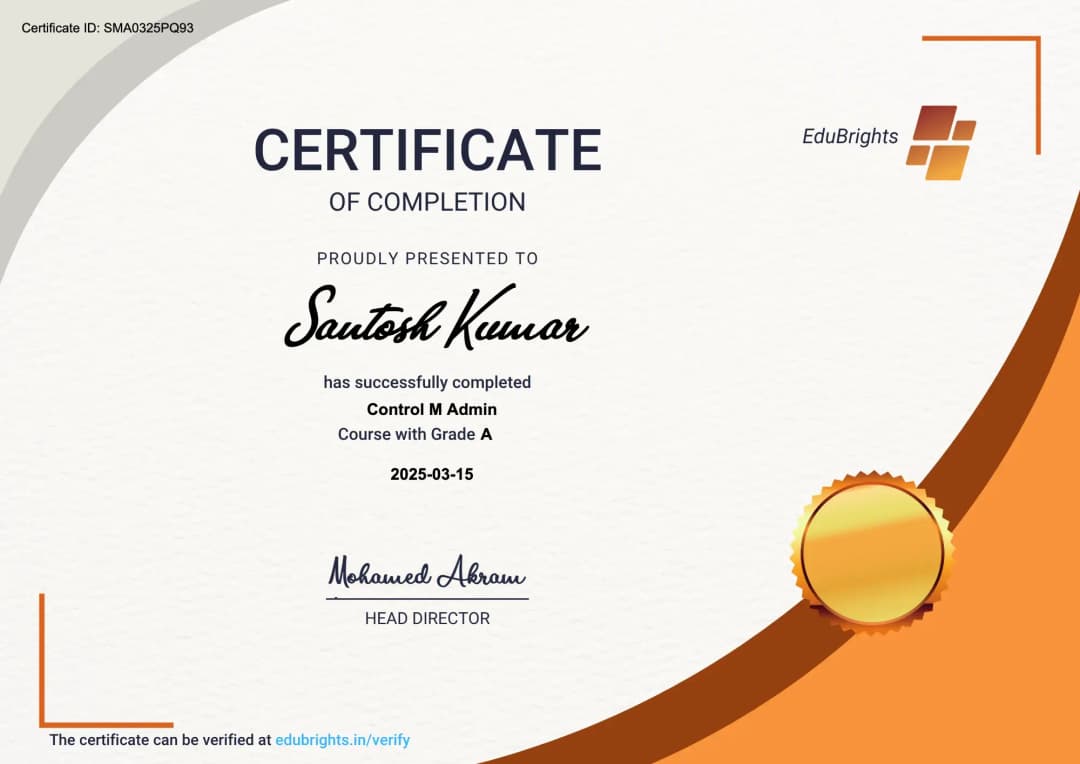
CompTIA Security+ Certification Training
Our certification confirms your understanding of essential cybersecurity skills, including threat management, security architecture, and incident response. Gain practical knowledge to protect organizational IT infrastructures. Ideal for beginners and IT professionals aiming to start or advance their cybersecurity careers.
Course FAQs
1. What is CompTIA Security+ certification?
CompTIA Security+ is a foundational cyber security certification that validates knowledge of essential security concepts and practices. It covers important areas such as security threats, vulnerabilities, security architecture, identity and access management, risk management, security operations and incident response.
2. What is CompTIA Security+ training in Chennai?
CompTIA Security+ training in Chennai provides structured learning for individuals who want to build a strong foundation in cyber security and prepare for the Security+ certification. The training covers the major security concepts included in the course syllabus and can help learners understand how security principles are applied in IT environments.
3. Who can join the CompTIA Security+ course?
The CompTIA Security+ course can be suitable for students, freshers, IT professionals, network administrators, system administrators and professionals who want to start or strengthen their cyber security knowledge. It is particularly useful for learners interested in building a foundation for entry-level cyber security and security operations roles.
4. Is CompTIA Security+ suitable for beginners?
Yes. CompTIA Security+ can be suitable for beginners who want to build foundational knowledge in cyber security. Basic familiarity with computers, operating systems and networking can be helpful, but learners can develop their understanding of core security concepts through structured training and regular practice.
5. What are the prerequisites for CompTIA Security+?
There is no single technical skill that learners must master before beginning Security+ training. However, a basic understanding of computers, operating systems, networking and common IT concepts can make the learning process easier. Learners without a strong technical background can begin by building these fundamentals alongside their cyber security studies.
6. Do I need networking knowledge before joining?
Basic networking knowledge is helpful because cyber security involves networks, protocols, devices and communication between systems. Understanding concepts such as IP addresses, common protocols and basic network architecture can make Security+ topics easier to understand, although these fundamentals can also be developed during the learning process.
7. Do I need programming knowledge for Security+?
Advanced programming knowledge is not generally required to start learning CompTIA Security+. The course focuses primarily on cyber security concepts such as threats, vulnerabilities, security controls, identity management, risk and security operations. Basic scripting knowledge can be useful for future cyber security roles, but it is not the main requirement for starting Security+ training.
8. What topics are covered in the CompTIA Security+ syllabus?
The CompTIA Security+ syllabus covers major areas of cyber security, including general security concepts, threats and vulnerabilities, security architecture, network security, identity and access management, risk management, security operations and incident response. The exact topics should align with the current Security+ exam objectives.
9. Does the course cover general security concepts?
Yes. General security concepts form an important foundation for cyber security learning. Learners can understand core principles such as security controls, security objectives, common threats, vulnerabilities and the basic practices used to protect systems, networks and information.
10. Does CompTIA Security+ include network security?
Yes. Network security is an important part of CompTIA Security+ learning. The course can introduce concepts related to securing network infrastructure, identifying network-based threats, understanding security controls and applying appropriate measures to protect communication and connected systems.
11. Does the course cover security architecture?
Yes. Security architecture is included as part of CompTIA Security+ learning. It helps learners understand how security principles and controls can be applied when designing, implementing and maintaining secure IT environments, systems and network infrastructure.
12. Will I learn identity and access management?
Yes. The course covers identity and access management concepts that help learners understand how users and systems are identified, authenticated and authorized. Topics can include access controls, authentication methods, authorization principles and practices used to manage access to organizational resources.
13. Does the course include risk management?
Yes. Risk management is an important area of cyber security. Learners can understand how organizations identify potential risks, assess their impact, apply appropriate security controls and support decisions aimed at reducing or managing information security risks.
14. Does the training cover security operations?
Yes. Security operations concepts help learners understand the ongoing activities involved in protecting systems and responding to security events. Training can cover areas such as security monitoring, operational procedures, threat awareness, security controls and the role of security teams in maintaining an organization's security posture.
15. Will I learn incident response?
Yes. Incident response is an important part of cyber security learning. The course can help learners understand the general process of identifying, analyzing, containing and responding to security incidents, along with the importance of documentation, recovery and lessons learned after an incident.
16. Does the course include practical security labs?
Practical security labs can help learners apply cyber security concepts in a controlled learning environment. Depending on the training approach, lab activities may involve security scenarios, vulnerability concepts, network security, access controls, security operations and incident-response-related exercises.
17. What career opportunities are available after Security+?
After developing the required technical knowledge and practical skills, learners can explore entry-level and junior cyber security opportunities such as Security Analyst, SOC Analyst, Junior Security Engineer, Information Security Associate and Network Security Associate. Career opportunities depend on individual skills, practical experience, certifications and employer requirements.
18. Is CompTIA Security+ useful for SOC analyst roles?
Yes. CompTIA Security+ can provide foundational knowledge that is relevant to learners interested in SOC and security analyst roles. Topics such as threats, vulnerabilities, security operations, monitoring, incident response and risk management can help build a foundation for further role-specific learning and practical skill development.
19. Does EduBrights provide certification guidance?
Certification guidance can help learners understand the Security+ certification path, exam preparation process and important topics to focus on during their studies. The exact certification guidance and support available may depend on the current Edubrights training program and batch.
20. What are the CompTIA Security+ batch timings in Chennai?
CompTIA Security+ batch timings in Chennai can vary depending on the current training schedule and available batches. For the latest information about batch timings, course duration, training mode and upcoming schedules, learners should confirm the current details directly with Edubrights.
Get Training Quote for Free
Testimonials
Hear What Our Students Say
"Transform your life through Education, hear it from our Alumni"

6 LPA
Fathima
Student
Software Engineer
"Transform your life through Education, hear it from our Alumni"

8 LPA
Siddharth
NIELSON IQ
Data Analyst
"Transform your life through Education, hear it from our Alumni"

8 LPA
Rahul
Student
Data Scientist