Course Objectives
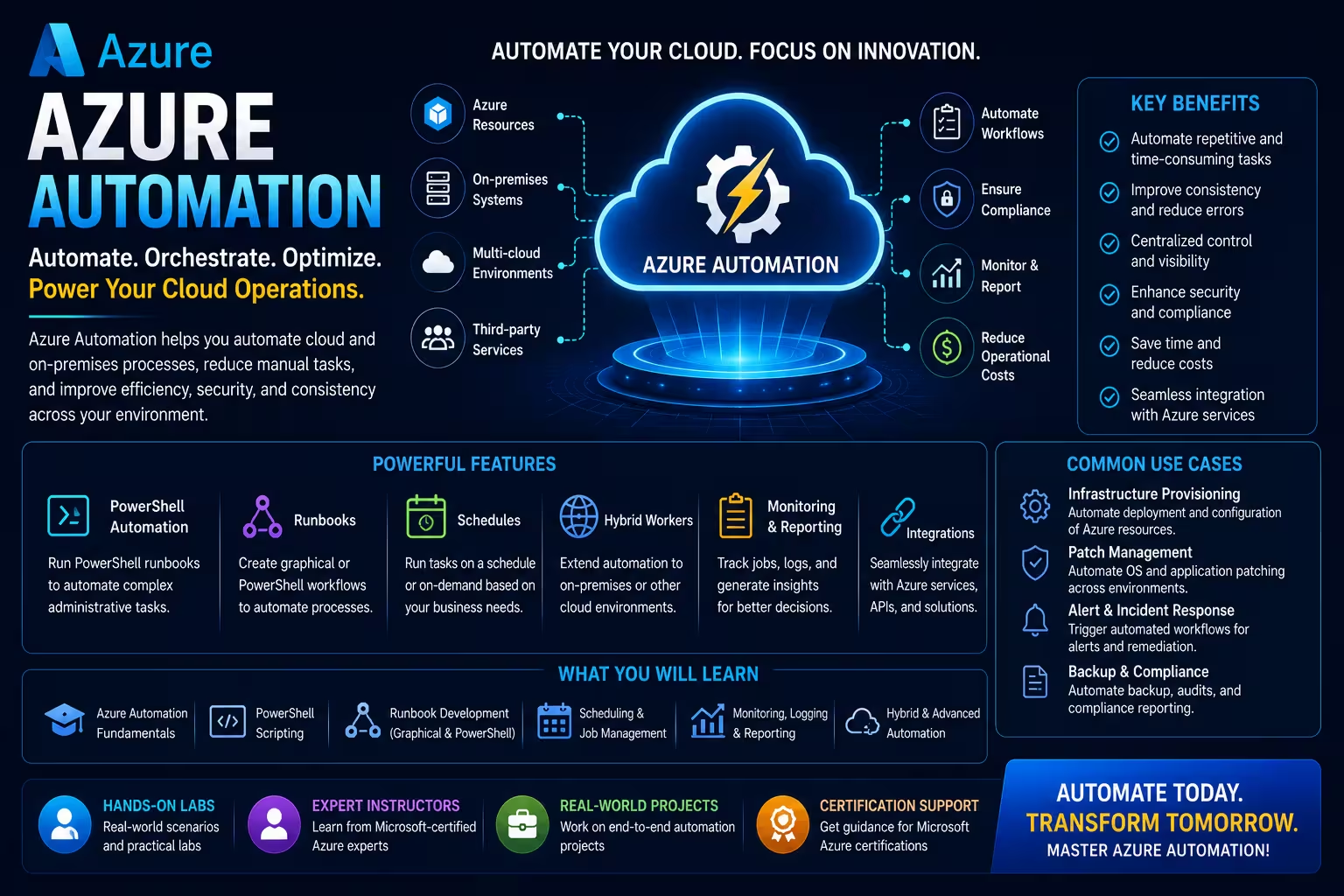
1. What exactly Azure Automation training cover?
Azure Automation training covers the tools and workflows used to automate, manage, and optimize cloud infrastructure tasks such as resource deployment, process automation, configuration management, and patching, using runbooks, PowerShell, Python scripts, and integration with Azure services
2. What are the main objectives of the Azure Automation course for your development skills?
The course aims to develop your skills in automating cloud management and operational tasks, reducing human error, enabling consistent process execution, and boosting efficiency in enterprise Azure environments.
3. Will I learn enterprise-level automation and orchestration concepts?
Yes. The course covers runbook automation, Desired State Configuration (DSC), hybrid automation workers, update management, process orchestration, and enterprise operational automation strategies.
4. How does this course support cloud operations and DevOps careers?4. How does this course support cloud operations and DevOps careers?
Azure Automation strengthens expertise required for cloud operations, infrastructure automation, DevOps engineering, configuration management, and enterprise platform administration roles.
5. Can I learn PowerShell automation and workflow scripting techniques?
Yes. The course includes PowerShell scripting, graphical runbooks, workflow automation, task scheduling, automation variables, and enterprise scripting practices.
6. Does the course include practical enterprise automation scenarios?
Yes. Learners will automate VM management, patch deployment, infrastructure monitoring, backup operations, user provisioning, and operational maintenance workflows.
Popular Techniques Covered in This Course
1.Runbook authoring and management
2.PowerShell and Python scripting
3.Desired State Configuration (DSC)
4.Scheduling and workflow automation
5.Log Analytics and job monitoring
6.Automation security and credentials
7.Hybrid runbook and cloud/on-premises integration
8.Source control and DevOps integration
9.ARM template deployment
10.Alerting and reporting
Get Hands-on Knowledge about Real-Time Projects
Project 1
1.Automated VM Provisioning and Cleanup:
Create runbooks that deploy and decommission virtual machines based on workload requirements, including notifications and reporting.
Project 2
2.Patch Management Workflow:
Build automated scripts for scheduling, applying, and monitoring updates to Azure and hybrid systems.
Project 3
3. Hybrid Cloud Operational Automation Platform
Create a centralized automation framework for managing Azure resources, on-premises infrastructure, and hybrid operational workflows.
Project 4
4. PowerShell-Based Resource Provisioning Solution
Build automated PowerShell runbooks for provisioning cloud infrastructure, configuring resources, and managing operational deployment workflows.
Project 5
5. Configuration Drift Detection and Remediation System
Implement Desired State Configuration (DSC) solutions for infrastructure consistency, automated remediation, and enterprise configuration compliance management.
Key Features
Edubrights offers Azure Automation Training in virtual mode with expert trainers. Here are the key features,
40 Hours Course Duration
100% Job Oriented Training
Industry Expert Faculties
Free Demo Class Available
Completed 500+ Batches
Certification Guidance
Curriculum
Module 1: Introduction to Azure Automation
- Azure Automation overview, benefits, and use cases
- Setting up automation accounts
Module 2: Creating and Managing Runbooks
- Authoring graphical, PowerShell, and Python runbooks
- Runbook scheduling and workflow management
Module 3: Configuration and State Management
- Desired State Configuration (DSC) concepts
- Applying configurations and compliance management
Module 4: Automation Integration and Scripting
- Integrating automation with Azure services/devops pipelines
- Using webhooks, source control, and automation assets
Module 5: Monitoring, Security, and Auditing
- Log analytics, job tracking, and alerting
- Implementing secure automation with modules and certificates
Module 6: Hybrid Management and Advanced Scenarios
- Hybrid Runbook Workers
- Managing on-premises resources and complex workflows
Module 7: Practical Labs and Real-Life Projects
- Building real-world runbooks for automation and resource management
Receive Training From Our Skilled and Effective Trainers
Experience in the Industry Gain knowledge from experts with practical Azure Automation project experience in a variety of sectors.
Backgrounds at the Top Prominent corporations such as hcl, tcs , accenture and cognizant employ trainers.
Clear & Effective Teaching Excellent communication and real-world examples simplify complex subjects.
Hands-On Learning Focus Students can apply their abilities in real-world situations with the use of case studies and real-time projects.
Up-to-Date Knowledge Trainers stay current with the latest tools, techniques and best practices.
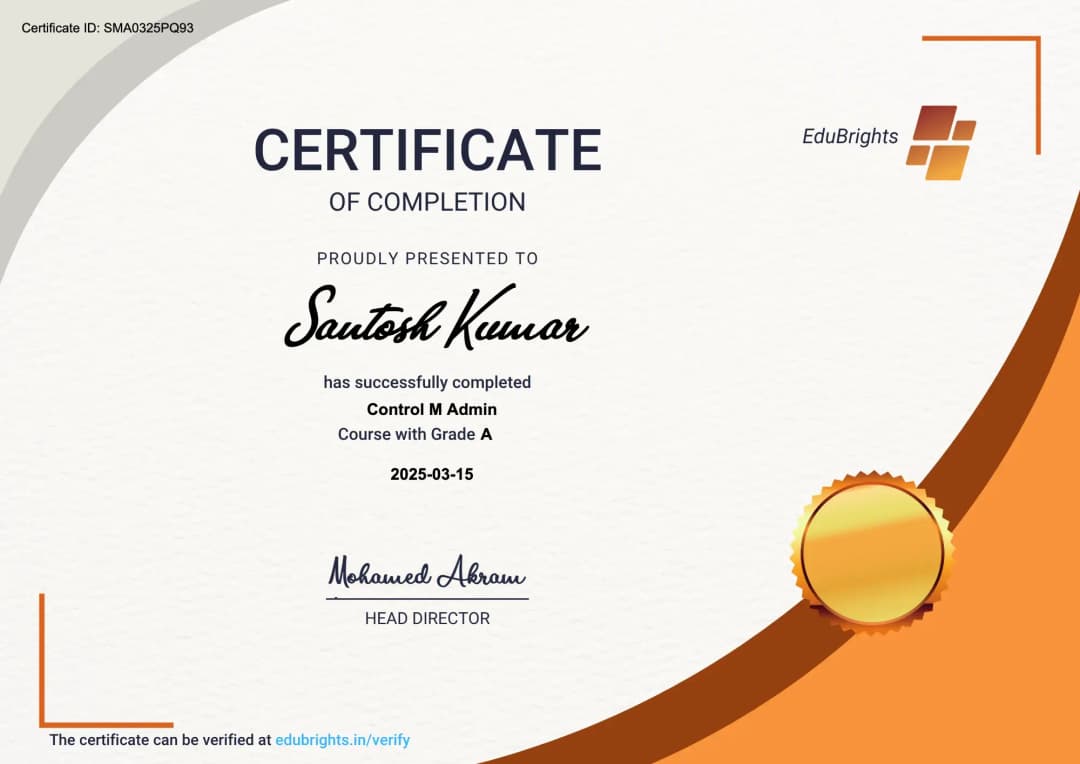
Succeed Our Resourceful Certification
Our certification validates your expertise in automating and streamlining IT operations using Azure Automation. It proves your ability to manage cloud resources efficiently, secure automation workflows, and integrate automation in enterprise environments. This credential strengthens your career prospects in cloud automation and management.
Course FAQs
1. What is Azure Automation?
It’s a Microsoft cloud service that automates recurring infrastructure and application management tasks.
2. Can I automate tasks outside Azure with Azure Automation?
Yes, hybrid runbook workers allow control of on-premises resources.
3. What scripting languages are supported in runbooks?
Graphical, PowerShell, and Python workflows.
4. Does Azure Automation help reduce manual errors?
Yes, automating processes minimizes human error and boosts reliability.
5. Can I schedule automation jobs?
Yes, runbook scheduling is integral to managing tasks.
6. Is security built in?
Yes, with secure credential management, role-based access, and certificate integration.
7. Does Automation integrate with DevOps pipelines?
Yes, using webhooks and source control, you can automate deployment and management.
8. Is monitoring available for runbooks?
Yes, built-in job tracking, alerting, and analytics.
9. What costs are involved?
Based on job execution frequency and resources automated.
10. Who benefits from Azure Automation skills?
Cloud Engineers, DevOps Engineers, System Administrators, and Azure Architects.
11. Can Azure Automation help professionals transition into DevOps and automation roles?
Yes. The course provides practical expertise required for cloud automation engineering, infrastructure orchestration, and enterprise DevOps operations.
12. Will I learn hybrid cloud automation strategies?
Yes. The course includes hybrid automation workers, on-premises integration, multi-environment management, and centralized operational automation techniques.
13. How important is automation in modern cloud environments?
Automation is critical because organizations require operational efficiency, infrastructure consistency, reduced manual intervention, and scalable cloud management capabilities.
Get Training Quote for Free
Testimonials
Hear What Our Students Say
"Transform your life through Education, hear it from our Alumni"

6 LPA
Fathima
Student
Software Engineer