Course Objectives
1. How does Solidity enable blockchain-based application development?
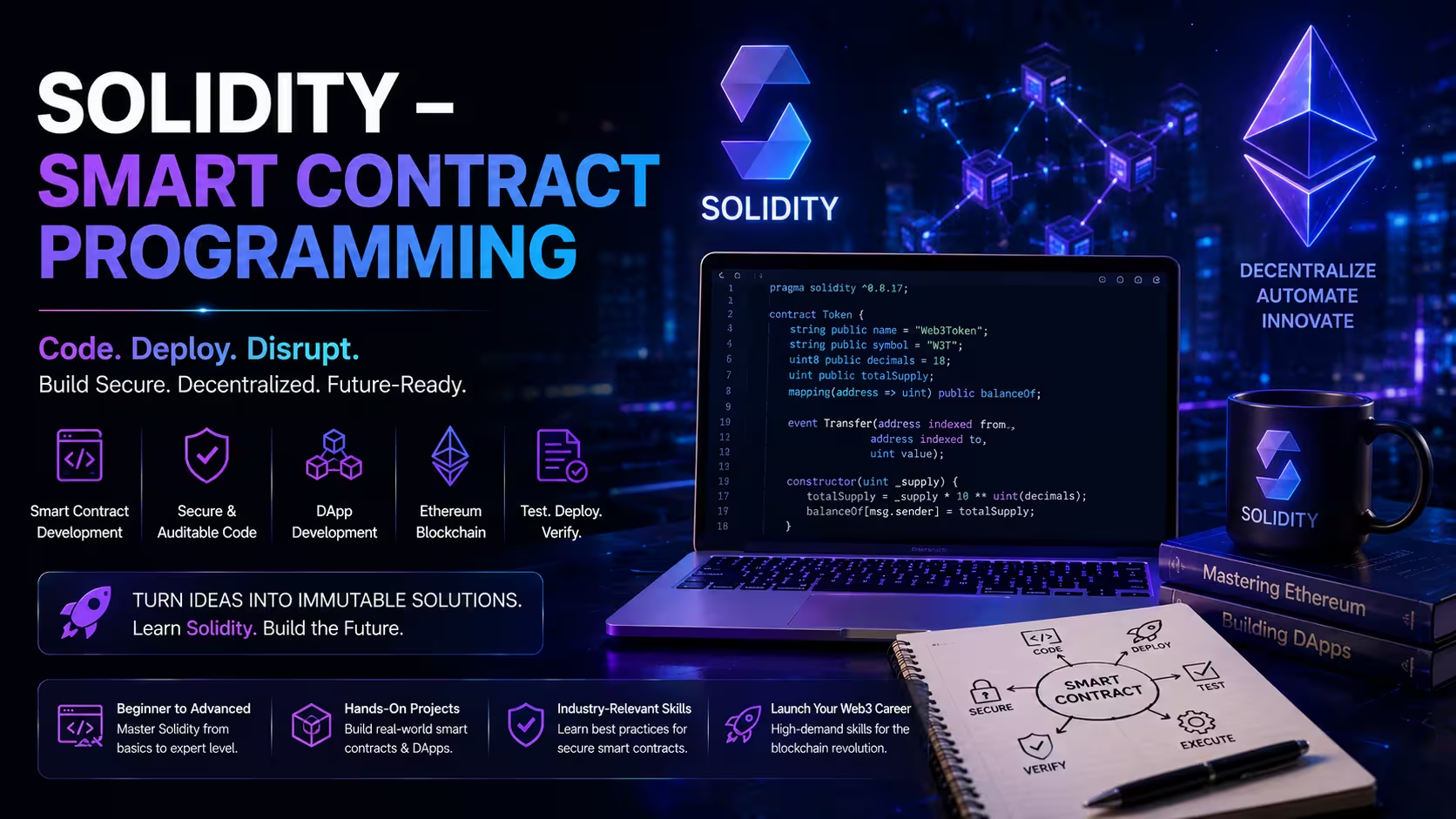
This course introduces learners to decentralized application development using Solidity for blockchain networks. Students learn how digital agreements, token systems, and decentralized transactions are created through programmable smart contracts. The training focuses on practical blockchain coding techniques used in Web3 ecosystems.
2. How will this course strengthen your blockchain programming abilities?
Learners develop hands-on experience in writing smart contracts, deploying decentralized applications, managing blockchain transactions, and handling contract logic securely. The course also explains how developers build transparent and tamper-resistant systems using Solidity. It improves coding, blockchain architecture, and decentralized development skills.
3. Why are smart contracts transforming modern digital platforms?
Smart contracts automate digital processes without relying on centralized control or intermediaries. This course explains how blockchain applications are reshaping finance, digital assets, supply chains, and decentralized platforms. Learners understand the growing role of decentralized technologies in modern software ecosystems.
4. How does the course prepare learners for Web3 application development?
Students learn how to create contract-based applications, manage wallet interactions, handle blockchain events, and deploy decentralized solutions within Ethereum-compatible environments. The course introduces practical development workflows followed in blockchain projects and decentralized platforms.
5. How can Solidity improve transparency and automation in digital systems?
The training explains how blockchain contracts execute automatically once predefined conditions are met, reducing manual dependency and increasing transparency. Learners understand how decentralized systems improve trust, security, and operational reliability in digital transactions.
6. Which blockchain development concepts are covered in this course?
Learners will understand smart contract creation, Ethereum fundamentals, decentralized application architecture, token development, blockchain transactions, gas optimization, wallet integration, contract deployment, Solidity syntax, and blockchain security practices. The course introduces modern decentralized development techniques used in Web3 environments.
Popular Techniques Covered in This Course
1. Solidity Programming Basics
2. Smart Contract Development
3. Ethereum Blockchain Fundamentals
4. Decentralized Application Logic
5. Token Creation Techniques
6. Wallet & Transaction Integration
7. Contract Deployment Methods
8. Blockchain Security Practices
9. Gas Optimization Strategies
10. Web3 Development Workflows
Get Hands-on Knowledge about Real-Time Projects
Project 1
1. Decentralized Voting & Election Verification Platform
Develop a blockchain-powered voting system that securely records votes, prevents tampering, and ensures transparent election verification through Solidity smart contracts. This project helps learners understand decentralized governance systems.
Project 2
2. Cryptocurrency Token & Wallet Transaction Solution
Create a custom blockchain token with wallet integration, transaction validation, and transfer functionalities using Solidity and Ethereum-compatible networks. The project demonstrates practical digital asset development concepts.
Project 3
3. NFT Marketplace & Digital Asset Trading Application
Build a decentralized marketplace where users can mint, buy, and sell digital collectibles through blockchain-based smart contracts. This project introduces learners to NFT workflows and Web3 transaction management.
Project 4
4. Blockchain-Based Supply Chain Tracking Framework
Design a decentralized tracking system that records product movement, supplier verification, and shipment history securely across blockchain networks. The project improves understanding of transparent supply chain automation practices.
Project 5
5. Smart Contract Insurance Claim Automation System
Create an automated blockchain insurance platform where smart contracts validate predefined conditions and process claims transparently without manual approval delays. This project helps learners understand enterprise blockchain automation workflows.
Key Features
Edubrights offers SOLIDITY – SMART CONTRACT PROGRAMMING Training in virtual mode with expert trainers. Here are the key features,
40 Hours Course Duration
100% Job Oriented Training
Industry Expert Faculties
Free Demo Class Available
Completed 500+ Batches
Certification Guidance
Curriculum
Module 1: Solidity Language Fundamentals
- Solidity overview: statically-typed language for EVM smart contracts
- Contract structure: SPDX licence, pragma, imports, and contract declaration
- Value types: bool, int, uint, address, bytes, and enums
- Reference types: arrays, mappings, and structs
Module 2: Functions, Modifiers, and Visibility
- Function declaration: parameters, return values, and multiple returns
- Visibility specifiers: public, private, internal, and external
- State mutability: view, pure, payable, and default mutability
- Function modifiers: writing reusable pre-condition checks
Module 3: Storage, Memory, and Gas
- EVM data locations: storage, memory, calldata, and stack
- Gas cost implications of storage reads, writes, and memory operations
- Gas optimisation patterns: packing variables and using calldata
- Events and logs: emitting and indexing events for off-chain consumption
Module 4: Inheritance and Interfaces
- Contract inheritance: single and multiple inheritance in Solidity
- Abstract contracts and interface definitions
- Virtual and override functions for polymorphism
- Libraries: using library functions and the using...for pattern
Module 5: Error Handling and Security Patterns
- require, revert, and assert: when and how to use each
- Custom errors: gas-efficient error definitions
- Reentrancy attacks: understanding and preventing with checks-effects-interactions
- Integer overflow, access control, and front-running vulnerabilities
Module 6: Advanced Solidity Patterns
- Proxy patterns: transparent proxy, UUPS, and upgradeable contracts
- Factory pattern: deploying contracts from contracts
- Multicall: batching multiple calls in a single transaction
- CREATE2: deterministic contract address deployment
Module 7: Testing and Deployment
- Hardhat setup: compiling, testing, and deploying Solidity contracts
- Writing comprehensive unit tests with Hardhat and Chai
- Foundry fuzz testing: property-based testing for robust contracts
- Deploying to testnets and mainnet with verification on Etherscan
Module 8: Capstone Project and Assessment
- Token contract: ERC-20 with staking and reward distribution logic
- NFT contract: ERC-721 with metadata, minting limits, and royalties
- Upgradeable contract implementation using UUPS proxy pattern
- Final assessment and course certification
Receive Training From Our Skilled and Effective Trainers
Experience in the Industry Learn from Solidity engineers who have written, audited, and deployed production smart contracts for DeFi protocols, NFT marketplaces, DAO governance systems, and tokenisation platforms on Ethereum and EVM-compatible chains.
Backgrounds at the Top Our Solidity trainers have worked at blockchain protocol teams, DeFi projects, and smart contract auditing firms where deep Solidity expertise is essential for secure and gas-efficient contract development.
Clear & Effective Teaching Solidity language features, EVM internals, gas optimisation, inheritance, proxy patterns, security vulnerabilities, Hardhat testing, and Foundry fuzzing are explained with real smart contract development examples.
Hands-On Learning Focus Students write Solidity contracts from scratch, implement ERC token standards, build proxy upgradeable contracts, conduct security reviews, and deploy to testnets through structured hands-on coding labs.
Up-to-Date Knowledge Trainers keep content current with the latest Solidity compiler releases, EIP standards affecting contract development, emerging audit patterns, and evolving smart contract security best practices.
You will succeed with our recognized certification
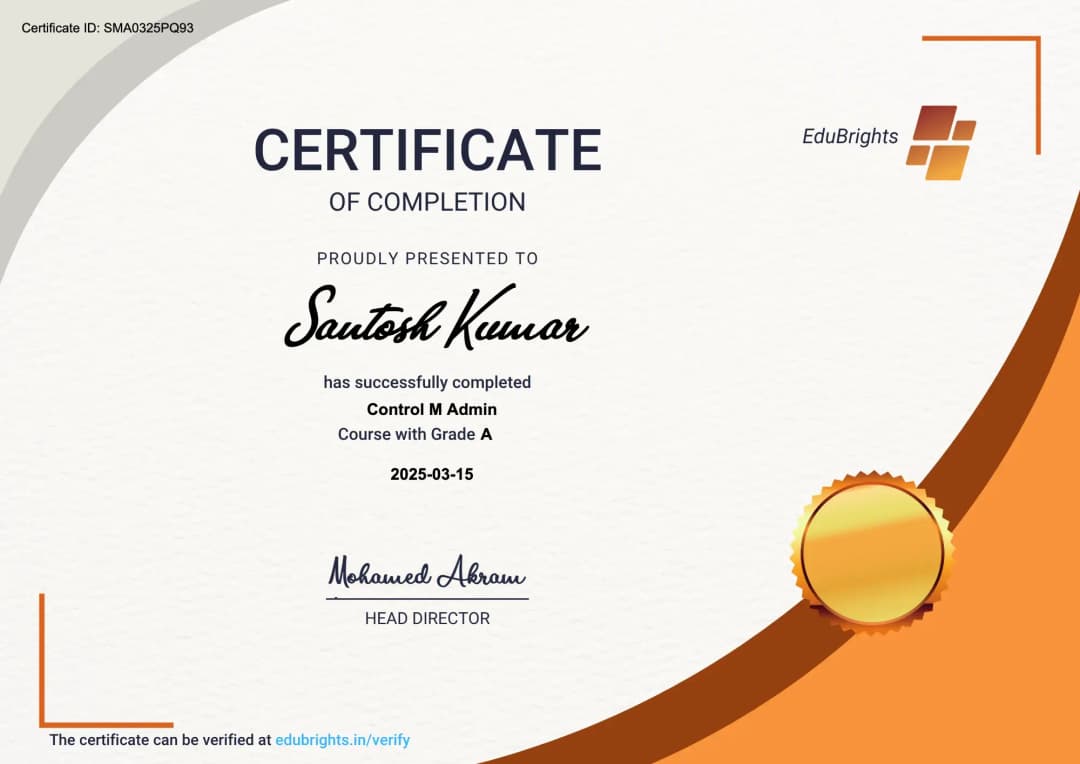
Our institution offers a recognized SOLIDITY – SMART CONTRACT PROGRAMMING certification that validates your ability to design and prototype professional user interfaces efficiently. This certification enhances your design portfolio and prepares you for collaborative projects in real-world environments. Gain practical skills through hands-on training and assessments.
Course FAQs
1. What is Solidity?
Solidity is a programming language used to develop smart contracts for blockchain platforms such as Ethereum. It helps developers build decentralized applications, automate transactions, and manage blockchain-based digital systems.
2. Who can enroll in this Solidity course?
This course is suitable for students, freshers, software developers, blockchain enthusiasts, fintech professionals, and working professionals interested in decentralized application and smart contract development.
3. Is Solidity suitable for beginners in blockchain development?
Yes, the course starts with blockchain fundamentals before introducing Solidity syntax and decentralized programming concepts. Beginners can gradually understand smart contract development through guided coding exercises and practical examples.
4. Do I need programming experience before learning Solidity?
Basic programming knowledge can be helpful because Solidity involves coding logic and application development concepts. However, the course explains blockchain programming concepts step-by-step for learners from different technical backgrounds.
5. What prerequisites are recommended for this course?
Basic understanding of programming concepts, web technologies, or databases can be beneficial before joining the course. Interest in blockchain, cryptocurrencies, or decentralized systems will also help learners understand concepts more effectively.
6. Does the course include practical blockchain development exercises?
Yes, learners work on smart contract coding, token development, decentralized application deployment, wallet integration, and blockchain testing exercises. Practical implementation helps learners understand real-world Web3 development workflows.
7. Which industries are adopting Solidity and blockchain technologies?
Industries such as fintech, gaming, healthcare, logistics, digital finance, supply chain management, insurance, and decentralized marketplaces are increasingly adopting blockchain and smart contract technologies.
8. What are the advantages of learning Solidity?
Learning Solidity helps learners understand decentralized technologies, blockchain transactions, digital asset management, and smart contract automation. It also improves practical blockchain programming and Web3 development expertise.
9. Can freshers build blockchain careers after learning Solidity?
Yes, freshers can begin careers in blockchain development, decentralized application support, smart contract engineering, and Web3 technology projects after gaining practical Solidity development experience.
10. How do smart contracts work in blockchain environments?
Smart contracts are self-executing digital agreements stored on blockchain networks. Once predefined conditions are met, the contract automatically performs actions without requiring manual intervention or centralized control.
11. Which topics are included in this course?
The course covers Ethereum basics, Solidity syntax, smart contract development, token standards, decentralized application workflows, wallet integration, blockchain transactions, contract deployment, and blockchain security concepts.
12. Is blockchain development growing in Chennai?
Yes, blockchain and decentralized application technologies are gaining attention among startups, fintech firms, and technology companies in Chennai. Businesses are exploring secure and transparent digital transaction systems powered by blockchain.
Get Training Quote for Free
Testimonials
Hear What Our Students Say
"Transform your life through Education, hear it from our Alumni"

8 LPA
Rahul
Student
Data Scientist
"Transform your life through Education, hear it from our Alumni"

8 LPA
Siddharth
NIELSON IQ
Data Analyst
"Transform your life through Education, hear it from our Alumni"

6 LPA
Fathima
Student
Software Engineer