Course Objectives
1. What will I learn by taking the SAP EWM (Extended Warehouse Management) course in Bangalore?
You'll build a solid understanding of the core concepts, terminology, and fundamentals of SAP EWM (Extended Warehouse Management), giving you a strong foundation to build on.
2. What hands-on skills will I gain from the SAP EWM (Extended Warehouse Management) training?
You'll get hands-on experience with industry-relevant SAP EWM (Extended Warehouse Management) tools and workflows through guided exercises, so you learn by doing rather than just reading theory.
3. How does the SAP EWM (Extended Warehouse Management) course prepare me for real-world work?
The SAP EWM (Extended Warehouse Management) course is designed around how SAP EWM (Extended Warehouse Management) is actually applied to solve real-world problems in professional settings, not just textbook scenarios.
4. What practical, job-ready skills will I build during SAP EWM (Extended Warehouse Management) training in Bangalore?
You'll develop the practical skills needed to confidently work with SAP EWM (Extended Warehouse Management) on the job, so you're ready to contribute from day one in a SAP EWM (Extended Warehouse Management) role.
5. Will I work on real projects during the SAP EWM (Extended Warehouse Management) course?
Yes, the SAP EWM (Extended Warehouse Management) course includes real-time projects and case studies that reinforce concepts through practice, giving you portfolio-ready work by the end.
6. How does the SAP EWM (Extended Warehouse Management) course help with certification and job interviews?
The SAP EWM (Extended Warehouse Management) course is structured to help you prepare for relevant certifications and interviews, covering the concepts and terminology employers and exam boards expect.
Popular Techniques Covered in This Course
1: Storage Location & Organizational Mapping
2: Handling Unit Management (HUM) Implementation
3: Warehouse Process Type (WPT) Customization
4: Process-Oriented Storage Control (POSC) Engineering
5: Slotting & Automated Product Rearrangement
6: Wave Management & Batch Order Allocation
7: Resource Management & Active Load Distribution
8: Radio Frequency (RF) Framework Screen Tuning
9: Physical Inventory Counting & Discrepancy Tracking
10: Warehouse Management Monitor Cockpit Configuration
Get Hands-on Knowledge about Real-Time Projects
Project 1
Project 1: High-Volume Auto Parts Warehouse Structural Blueprint
Architect an extensive digital warehouse landscape for a major simulated automotive supplier in Bangalore, structuring deep-lane pallet racks, setting up fast-picking sections, and mapping thousands of physical storage bins with custom capacity limits.
Project 2
Project 2: Multi-Stage Inbound De-Consolidation & Quality Inspection Pipeline
Configure a multi-tier POSC flow that intercepts a mixed-palette container drop, automatically creates tasks to break down individual boxes, routes hazardous materials through a quality screening station, and generates final secure putaway paths.
Project 3
Project 3: Route-Optimized E-Commerce Wave Picking & Packing Grid
Design an integrated outbound fulfillment wave engine that aggregates hundred of single-item digital sales orders, groups them into optimized picking paths for mobile RF scanner field teams, and schedules real-time delivery handoffs.
Project 4
Project 4: Counter-Balanced Production Integration for Material Replenishment
Coordinate an active staging system that links production line demands to the central warehouse, automatically generating high-priority replenishment orders to move raw materials into manufacturing spaces the moment shop-floor levels drop too low.
Project 5
Project 5: Intermittent System Exception Handling & Inventory Discrepancy Matrix
Construct a resilient exception management framework within the Warehouse Monitor to catch picking discrepancies, automatically locking damaged storage bins, updating material levels, and routing error reports to supervisor dashboards.
Key Features
Edubrights offers SAP EWM (Extended Warehouse Management) Training in virtual mode with expert trainers. Here are the key features,
40 Hours Course Duration
100% Job Oriented Training
Free Demo Class Available
Completed 500+ Batches
Industry Expert Faculties
Certification Guidance
Curriculum
Module 1: Introduction to SAP EWM
- Overview of Extended Warehouse Management
- EWM vs. WM: Key differences and migration path
- EWM integration with SD, MM, PP, and TM
- EWM deployment options: Embedded and decentralized
Module 2: Organizational Structure in EWM
- Warehouse number and warehouse structure
- Storage types, sections, and storage bins
- Activity areas and work centers
- Staging areas and dock door management
Module 3: Master Data in SAP EWM
- Product master in EWM
- Storage type and storage section search
- Warehouse product and packaging specifications
- Storage unit type and handling unit management
- Batch and serial number management in EWM
Module 4: Inbound Processing
- Expected goods receipt (EGR) and inbound delivery order
- Unloading, goods receipt posting
- Putaway strategies: Fixed bin, open storage, near picking bin
- Deconsolidation and quality inspection integration
- Cross-docking in inbound
Module 5: Outbound Processing
- Outbound delivery order and wave management
- Picking strategies: FIFO, FEFO, LIFO, largest quantity
- Packing and loading
- Goods issue posting
- Returns processing
Module 6: Internal Warehouse Movements
- Warehouse tasks and warehouse orders
- Stock transfers and replenishment
- Physical inventory (cycle counting)
- Posting changes and reclassification
Module 7: Slotting and Rearrangement
- Product slotting rules
- Storage bin type determination
- Rearrangement runs
- ABC classification for warehouse optimization
Module 8: Labor Management
- Work center and labor standards
- Direct and indirect activity reporting
- Performance management reports
- Queue management and workload balancing
Module 9: Yard Management
- Yard structure and check-in/check-out
- Transportation unit management in yard
- Door and resource assignment
Module 10: RF Framework and Mobile Data Entry
- RF monitor and queue assignment
- User-based queue determination
- Handling units and RFID integration
- Exception handling in RF environment
Module 11: EWM in S/4HANA
- Embedded EWM architecture
- Integration with SAP TM and SAP IBP
- Fiori apps for warehouse operations
- Real-time inventory visibility
Module 12: Real-Time Projects and Case Studies
- Retail and e-commerce warehouse scenarios
- Pharmaceutical cold-chain warehouse management
- End-to-end EWM cycle implementation
- Certification and interview preparation
Receive Training From Our Skilled and Effective Trainers
Experience in the Industry Gain expertise from SAP EWM (Extended Warehouse Management) professionals training in Bangalore who have applied their skills on live projects across corporate, product, and consulting environments, bringing practical, real-world context into every SAP EWM (Extended Warehouse Management) session.
Backgrounds at the Top Our SAP EWM (Extended Warehouse Management) trainers in Bangalore bring hands-on industry experience, having worked on real SAP EWM (Extended Warehouse Management) projects for organizations across various industries before moving into training.
Clear & Effective Teaching Core SAP EWM (Extended Warehouse Management) concepts, tools, and workflows are explained using real project examples and practical scenarios, so you understand not just the theory but how SAP EWM (Extended Warehouse Management) is actually used on the job.
Hands-On Learning Focus Students get structured, hands-on practice with SAP EWM (Extended Warehouse Management) through guided exercises, mini-projects, and lab work designed to build practical, job-ready skills.
Up-to-Date Knowledge Trainers keep the SAP EWM (Extended Warehouse Management) curriculum current with the latest tools, versions, and industry best practices, so what you learn stays relevant to how SAP EWM (Extended Warehouse Management) is used today in Bangalore and beyond.
About Our Course Certification*
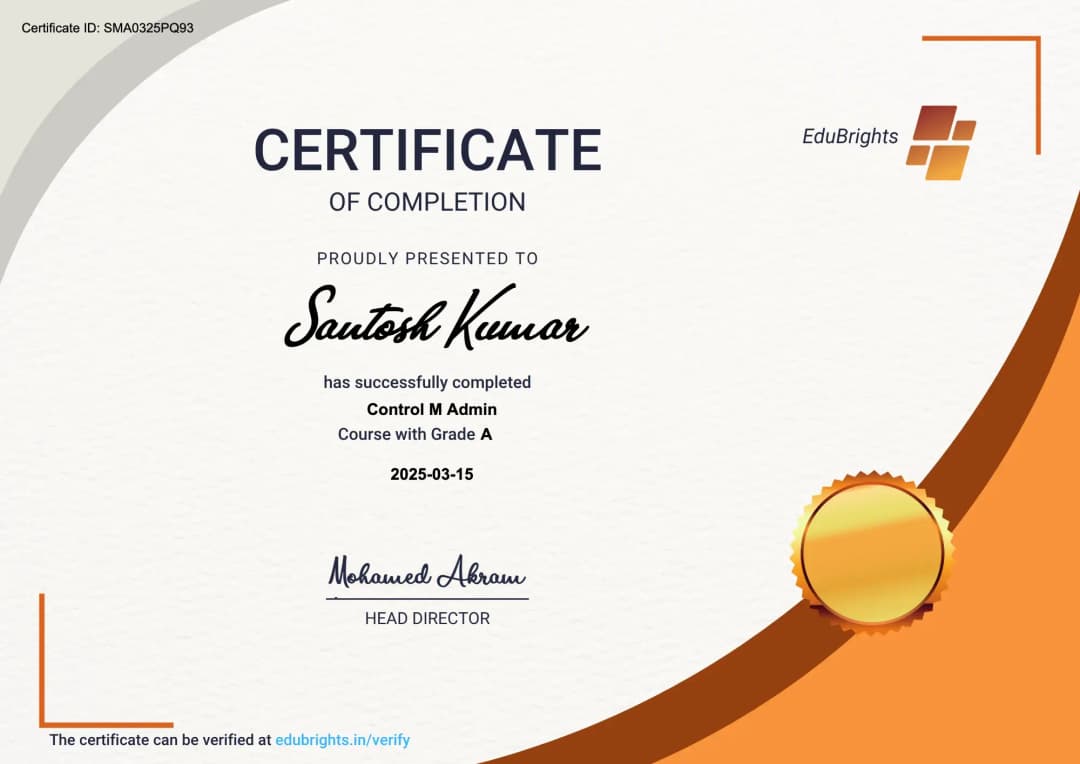
Our institution offers a recognized SAP EWM (Extended Warehouse Management) certification that validates your ability to design and prototype professional user interfaces efficiently. This certification enhances your design portfolio and prepares you for collaborative projects in real-world environments. Gain practical skills through hands-on training and assessments.
Course FAQs
1. What is SAP EWM and how is it used in warehouse management?
SAP Extended Warehouse Management (EWM) manages warehouse inventory and operational processes at storage-bin level. It supports goods receipt, putaway, picking, packing, shipping, internal movements, and warehouse monitoring.
2. What is the difference between SAP EWM and SAP WM?
SAP EWM supports advanced warehouse execution processes, including wave management, resource management, and detailed warehouse task control. SAP WM provides core warehouse functions, while EWM is designed to support more complex warehouse operations and automation scenarios.
3. What are the embedded and decentralized deployment options in SAP EWM?
Embedded EWM runs within SAP S/4HANA, while decentralized EWM runs in a separate system connected to an ERP or S/4HANA environment. The appropriate option depends on factors such as system architecture, warehouse complexity, integration requirements, and operational availability.
4. How is the organizational structure configured in SAP EWM?
The structure includes warehouse numbers, storage types, storage sections, storage bins, activity areas, work centers, and staging areas. These elements represent the physical warehouse and provide the organizational framework for executing warehouse processes.
5. What is the purpose of a warehouse number in SAP EWM?
A warehouse number represents a warehouse complex or logical warehouse organization in EWM. It connects warehouse structures and operational settings used for inventory management and goods movement execution.
6. How are storage types and storage bins used in SAP EWM?
Storage types represent warehouse areas, such as bulk storage, racks, or picking areas. Storage bins identify individual stock locations, while storage sections divide storage types into smaller logical groups.
7. What is an activity area and how is it configured?
An activity area groups storage bins for activities such as picking, putaway, and physical inventory. Its configuration helps determine which bins are relevant for a particular warehouse activity and supports organized work execution.
8. What is a warehouse process type (WPT) in SAP EWM?
A warehouse process type controls important aspects of a warehouse task, including the type of warehouse activity and related execution behavior. WPT determination depends on the business process and configuration, and it can influence how picking, putaway, or internal movements are processed.
9. What is the role of warehouse product master data in SAP EWM?
Warehouse product data stores product-specific settings relevant to warehouse operations. These settings can affect storage, putaway, stock removal, replenishment, and other warehouse execution activities.
10. How does handling unit management work in SAP EWM?
Handling unit management tracks products packed into identifiable units, such as cartons, pallets, or containers. HUs can be used throughout receiving, storage, picking, packing, and shipping to maintain visibility of packaged stock.
11. What are packaging specifications in SAP EWM?
Packaging specifications define how products should be packed using specified packaging materials and quantities. They can support consistent packing decisions and help warehouse operators follow the required packaging process.
12. How does SAP EWM handle batch and serial number management?
Batch management identifies groups of products with shared batch characteristics, while serial numbers identify individual units. EWM can use these identifiers during receiving, stock movements, picking, and shipping according to the configured business requirements.
13. How is an inbound delivery processed in SAP EWM?
Inbound processing starts with an expected receipt or inbound delivery document, depending on the integration and business process. Activities may include unloading, goods receipt, deconsolidation, quality inspection, putaway, and warehouse task confirmation.
14. What is expected goods receipt (EGR) in SAP EWM?
Expected goods receipt provides information about anticipated incoming products before or during inbound processing. It can help warehouse teams plan receiving activities and prepare for the arrival of goods.
15. How does SAP EWM determine putaway storage bins?
EWM uses configured putaway strategies and relevant product and warehouse data to identify suitable destination bins. Storage type search, storage section search, capacity constraints, and other configured rules may influence the destination determination.
16. What is deconsolidation in SAP EWM?
Deconsolidation separates mixed handling units or grouped products into smaller units for further processing. It can be used during inbound operations when products must be sorted, inspected, or directed to different storage destinations.
17. How is quality inspection integrated with inbound processing in SAP EWM?
Quality-related processes can determine whether received goods need inspection before being released for unrestricted warehouse use. The exact flow depends on the integration with quality management and the configured inspection and stock-handling procedures.
18. What is cross-docking in SAP EWM?
Cross-docking directs eligible incoming products toward outbound demand with reduced conventional storage time. Its feasibility depends on matching supply and demand, product eligibility, and the configured cross-docking process.
19. How does outbound delivery processing work in SAP EWM?
Outbound processing manages warehouse activities needed to fulfill customer or other outbound requirements. The process can include delivery preparation, wave creation, picking, packing, staging, loading, and goods issue.
20. What are FIFO, FEFO, and LIFO in SAP EWM stock removal?
FIFO selects stock based on the first-in, first-out principle, while LIFO follows last-in, first-out. FEFO prioritizes stock with the earliest expiration date and is especially relevant for products with shelf-life requirements when configured and applicable.
21. What is wave management in SAP EWM?
Wave management groups eligible warehouse requests for coordinated processing. It helps schedule picking and related activities based on criteria such as delivery priorities, routes, processing times, and warehouse capacity.
22. How are warehouse tasks created during wave release?
When a wave is released, EWM can create warehouse tasks for stock removal or internal movements according to the configured process. Those tasks can then be grouped into warehouse orders for execution by warehouse workers. <Cite refs={["turn728599search6"]}/>
23. What is the difference between a warehouse task and a warehouse order?
A warehouse task specifies an individual movement or activity, such as picking or putaway. A warehouse order groups one or more warehouse tasks into a work package that can be assigned and executed by a resource. <Cite refs={["turn728599search4","turn728599search6"]}/>
24. What is warehouse order creation rule configuration?
Warehouse Order Creation Rules (WOCR) define how eligible warehouse tasks are grouped into warehouse orders. Configuration can consider task characteristics, activity areas, limits, and other criteria to create manageable work packages.
25. How does SAP EWM support picking and packing operations?
EWM creates or processes warehouse tasks to retrieve the required stock and supports subsequent packing activities. Picking strategies, handling units, work centers, and packing specifications help align execution with the warehouse's operational design.
26. How is goods issue posted in SAP EWM?
Goods issue confirms that the relevant outbound stock has left the warehouse process according to the delivery flow. The posting updates the applicable delivery and inventory statuses and communicates relevant changes to integrated systems.
27. How does SAP EWM manage customer returns?
Returns processing handles goods received back from customers or other destinations. Depending on the configured process, returned products may be inspected, assigned a stock status, moved to a suitable bin, or routed for further disposition.
28. What are internal warehouse movements in SAP EWM?
Internal movements relocate stock within a warehouse without necessarily involving an external goods receipt or goods issue. Examples include bin-to-bin transfers, stock transfers, posting changes, and movements between warehouse areas.
29. What is replenishment in SAP EWM?
Replenishment moves stock from reserve or other suitable storage locations to picking areas when quantities are insufficient. Configured replenishment procedures and stock availability help maintain the supply required for warehouse picking.
30. What is physical inventory and cycle counting in SAP EWM?
Physical inventory compares counted quantities with recorded warehouse stock. Cycle counting is a recurring approach that schedules counts for selected products or bins to help maintain inventory accuracy throughout the year.
31. What are posting changes and stock reclassification in SAP EWM?
Posting changes update stock attributes or classifications without necessarily changing the physical location of the goods. Depending on the scenario, these changes may affect stock type, availability, or other inventory characteristics and may require corresponding warehouse processing.
32. What is slotting in SAP EWM?
Slotting evaluates product characteristics and warehouse conditions to determine suitable storage locations. It can help optimize bin assignments based on product dimensions, demand, picking frequency, and other configured factors.
33. How does automated product rearrangement work in SAP EWM?
Rearrangement supports relocating products when their current storage positions are no longer optimal. Following relevant analysis and configuration, the system can propose or support movements to improve warehouse space utilization and picking efficiency.
34. How is ABC classification used for warehouse optimization?
ABC classification categorizes products according to a selected business measure, such as demand or movement frequency. Warehouse planners can use the results to position frequently picked products in more accessible areas when supported by the warehouse design.
35. What is labor management in SAP EWM?
Labor management supports the measurement and analysis of warehouse work and employee activity. Depending on the solution and configuration, it can use labor standards, activity reporting, and performance reports to help supervisors assess workloads and productivity.
36. How does queue management support resource assignment in SAP EWM?
Queues organize warehouse tasks for execution by suitable resources. Queue determination and assignment settings can help direct work according to warehouse activities, resource capabilities, and operational priorities.
37. What is the RF framework in SAP EWM?
The Radio Frequency (RF) framework supports mobile warehouse execution using handheld or compatible devices. It enables workers to perform tasks such as receiving, putaway, picking, stock movements, and task confirmation through configured RF transactions.
38. How are RF menus and queues configured in SAP EWM?
RF configuration defines the menus, logical transactions, and screen flows available to warehouse users. Queue assignment settings help determine which work is presented to a resource based on the configured warehouse process and user or resource criteria.
39. How does SAP EWM handle exceptions during RF execution?
RF exception handling allows users to record situations such as stock shortages, quantity differences, or an inaccessible storage bin. Configured exception codes and follow-up actions help the system respond appropriately and maintain process visibility.
40. What is the Warehouse Management Monitor in SAP EWM?
The Warehouse Management Monitor provides a central interface for reviewing warehouse stock, deliveries, warehouse tasks, warehouse orders, and operational statuses. It helps users investigate errors, monitor execution, and identify activities requiring attention.
41. How does SAP EWM support yard management?
Yard management coordinates vehicles and transportation units in the warehouse yard. Depending on the configuration, processes can include check-in, check-out, yard location assignment, door assignment, and movement coordination.
42. What is transportation unit management in SAP EWM?
Transportation unit management represents and tracks vehicles or transport units involved in warehouse-related movements. It can support coordination between yard activities, warehouse doors, and inbound or outbound processing.
43. How does SAP EWM integrate with SAP Materials Management (MM)?
Integration with SAP MM connects warehouse execution with procurement and inventory processes. Relevant documents and updates help coordinate incoming goods, goods receipt, and inventory movements between warehouse operations and the wider materials management process.
44. How does SAP EWM integrate with SAP Sales and Distribution (SD)?
Integration with SAP SD connects outbound delivery requirements with warehouse execution. EWM can process relevant delivery information to support picking, packing, staging, loading, and goods issue.
45. How does SAP EWM support production integration with SAP PP?
EWM can support the movement and staging of materials required for production. Depending on the system setup, production supply processes help coordinate warehouse activities with manufacturing requirements.
46. How does SAP EWM integrate with SAP Transportation Management (TM)?
EWM and SAP TM can exchange relevant logistics information to coordinate warehouse execution with transportation planning. The supported integration scenarios depend on the system landscape and can involve delivery, loading, and shipment coordination.
47. What integration topics are important when implementing SAP EWM in SAP S/4HANA?
Important topics include embedded or decentralized deployment, master data alignment, delivery integration, inventory updates, and warehouse process configuration. Project teams also need to validate system communication, document status synchronization, and error-handling procedures.
48. How can SAP Fiori support warehouse operations in SAP S/4HANA EWM?
Depending on the deployed version and activated applications, SAP Fiori can provide role-based access to relevant warehouse tasks and operational information. The available apps and capabilities should be verified against the target SAP S/4HANA release and system configuration.
49. What practical projects can be covered in SAP EWM training in Bangalore?
Practical exercises can include warehouse structure configuration for an auto-parts warehouse, inbound deconsolidation and quality inspection, e-commerce wave picking and packing, production material replenishment, and inventory discrepancy handling. These scenarios help learners apply warehouse configuration and execution concepts to business-oriented workflows.
50. What technical skills can I develop through SAP EWM training in Bangalore?
You can develop skills in warehouse structure setup, product and packaging master data, handling units, warehouse process types, inbound and outbound processing, stock removal, wave management, warehouse tasks and orders, POSC, slotting, RF operations, inventory counting, labor management, yard management, and SAP MM, SD, PP, and TM integration.
Get Training Quote for Free
Testimonials
Hear What our Students say
"Transform your life through Education, hear it from our Alumni"

8 LPA
Rahul
Student
Data Scientist
"Transform your life through Education, hear it from our Alumni"

6 LPA
Fathima
Student
Software Engineer
"Transform your life through Education, hear it from our Alumni"

8 LPA
Siddharth
NIELSON IQ
Data Analyst