Course Objectives
1. What will I learn in the SAP Customer Experience (CX) course?
You will learn how SAP CX solutions help businesses manage customer interactions across sales, service, marketing, and commerce channels. The course focuses on both business processes and practical SAP CX concepts.
2. How can SAP CX training benefit my career?
SAP CX training helps you develop skills that are valued in customer-focused and digital transformation projects. It can strengthen your profile for SAP consulting and customer experience-related roles.
3. Why should I choose SAP Customer Experience (CX)?
SAP CX is widely used by organizations to improve customer engagement and business performance. Learning this platform helps you understand modern customer relationship management strategies and cloud-based business solutions.
4. What is the main objective of this course?
The objective of this course is to provide a strong foundation in SAP Customer Experience solutions and their practical applications. Learners will gain knowledge that supports both professional growth and certification preparation.
Popular Techniques Covered in This Course
SAP Customer Experience Architecture
SAP Sales Cloud Configuration
SAP Service Cloud Management
SAP Service Cloud Management
Customer Relationship Management (CRM)
Customer Journey Mapping
Lead and Opportunity Management
Customer Journey Mapping
Marketing Automation Concepts
Customer Analytics and Reporting
Get Hands-on Knowledge about Real-Time Projects
Project 1
Project 1: Sales Pipeline Automation System
Configure SAP Sales Cloud to automate lead management, opportunity tracking, sales forecasting, and customer engagement processes.
Project 2
Project 2: Customer Service Ticket Management
Implement a service management solution where customer issues are tracked, assigned, escalated, and resolved using SAP Service Cloud.
Project 3
Project 3: Omnichannel Customer Experience Platform
Design an integrated customer experience system that connects sales, service, marketing, and commerce channels for seamless customer interactions.
Project 4
Project 4: Marketing Campaign Automation
Create automated marketing campaigns using customer segmentation, personalized communications, and campaign performance tracking.
Project 5
Project 5: Customer Data Integration and Analytics
Build a centralized customer data platform that consolidates customer information and generates actionable business insights through reporting and analytics
Key Features
Edubrights offers SAP Customer Experience in virtual mode with expert trainers. Here are the key features,
40 Hours Course Duration
100% Job Oriented Training
Industry Expert Faculties
Free Demo Class Available
Completed 500+ Batches
Certification Guidance
Curriculum
Module 1: Introduction to SAP Customer Experience
- Overview of SAP Customer Experience (CX) suite
- CX components: Sales Cloud, Service Cloud, Commerce Cloud, Marketing Cloud, CDP
- SAP CX architecture on SAP BTP
- CX integration with SAP S/4HANA backend
- SAP CX implementation methodology
Module 2: SAP CX Strategy and Vision
- Customer experience transformation concepts
- Omnichannel engagement strategy
- SAP CX vs. Salesforce, Microsoft Dynamics
- Customer data platform (CDP) overview
- SAP CX roadmap and product evolution
Module 3: SAP CX Common Platform
- SAP BTP as the foundation for CX
- Identity and access management for CX
- Master data governance for CX
- SAP Customer Data Cloud (CDC)
- Consent and preference management
Module 4: CX Integration with S/4HANA
- Order-to-cash integration
- Product and pricing replication
- Customer master synchronization
- Invoice and payment status in CX
- SAP Integration Suite for CX connectivity
Module 5: Customer Data Platform (CDP)
- CDP architecture and data ingestion
- Customer profile unification
- Segmentation and audience building
- Identity resolution
- Real-time activation of customer data
Module 6: SAP Emarsys Customer Engagement
- Emarsys platform overview
- Email and SMS campaign management
- Personalization engine
- Omnichannel automation
- Emarsys integration with Commerce and SAC
Module 7: CX Analytics and Reporting
- CX KPIs: NPS, CSAT, CLV
- SAC integration for CX dashboards
- Customer journey analytics
- Conversion and retention analysis
- Predictive customer behavior models
Module 8: CX Security and Compliance
- GDPR compliance in CX suite
- Data privacy and consent management
- Single sign-on across CX products
- Data residency and sovereignty
- Audit logging for CX interactions
Module 9: CX Extensibility
- BTP extensions for CX products
- Custom UI with SAP Build Apps
- API management for CX
- Webhook and event-driven integration
- Low-code customization tools
Module 10: CX Implementation Best Practices
- Fit-to-standard analysis for CX
- Agile CX implementation approach
- Change management for CX adoption
- User training and enablement
- Go-live and hypercare support
Module 11: AI in SAP CX
- SAP Joule in CX products
- AI-driven product recommendations
- Predictive lead scoring
- Intelligent customer service
- Generative AI for content creation
Module 12: Real-Time Projects and Case Studies
- Omnichannel CX transformation
- Retail CX implementation
- End-to-end CX suite deployment
- Certification and interview preparation
Receive Training From Our Skilled and Effective Trainers
Experience in the Industry Gain knowledge from experts with hands-on SAP Customer Experience project experience in retail, consumer goods, and services.
Backgrounds at the Top Prominent corporations such as HCL, TCS, Accenture, and Deloitte employ our SAP CX trainers.
Clear & Effective Teaching Excellent communication and real-world examples simplify complex CX suite architecture and integration.
Hands-On Learning Focus Students apply skills using live SAP CX cloud environments with real omnichannel implementation projects.
Up-to-Date Knowledge Trainers stay current with latest SAP CX releases, AI-driven personalization, and digital commerce trends.
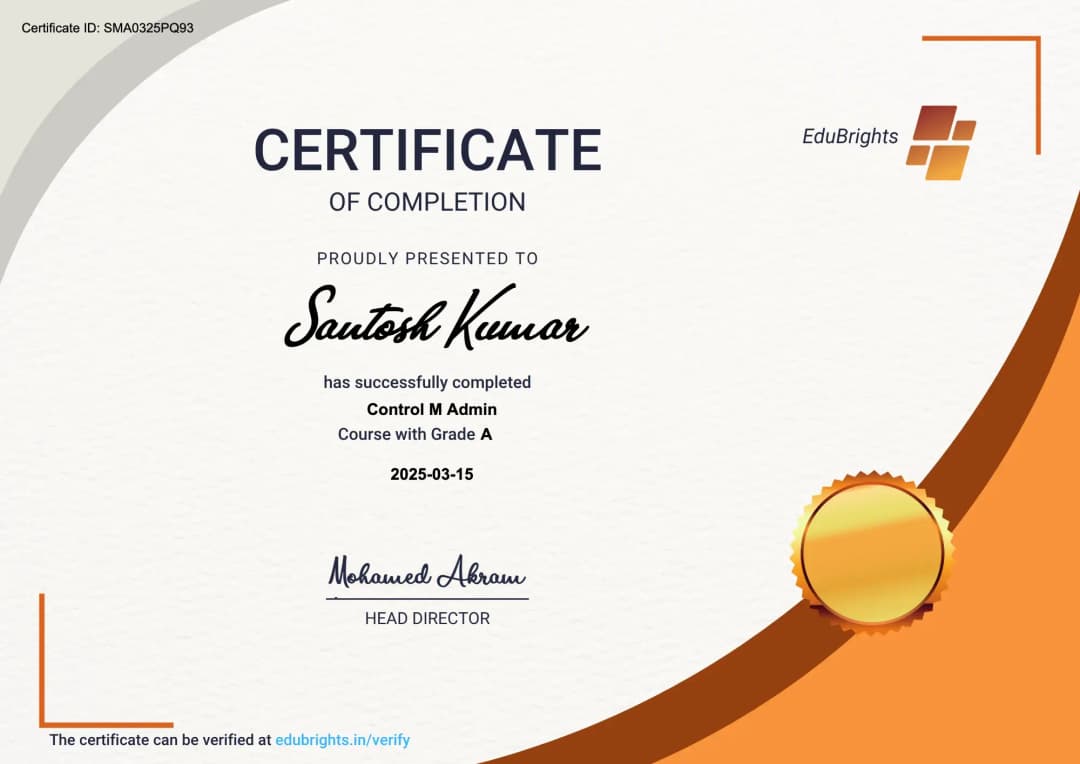
You will succeed with our recognized certification
Our training program helps learners understand SAP CX concepts, business processes, and implementation methodologies required for SAP Customer Experience certification exams. Participants gain practical exposure through hands-on exercises, case studies, and real-world projects that improve certification readiness and industry competence.
Course FAQs
1. What is SAP Customer Experience (CX)?
SAP Customer Experience (CX) is a suite of solutions that supports customer-facing processes across sales, service, commerce, marketing, and customer data management. It helps organizations connect customer interactions and deliver consistent experiences across channels.
2. What are the major components of SAP Customer Experience?
The SAP CX portfolio includes SAP Sales Cloud, SAP Service Cloud, SAP Commerce Cloud, SAP Marketing Cloud, and customer data solutions. These applications support sales engagement, customer service, digital commerce, marketing activities, and customer profile management. citeturn569623search2
3. What is SAP CX architecture?
SAP CX architecture connects customer-facing applications with business data, integration services, and backend enterprise systems. Its design supports information exchange between sales, service, commerce, marketing, and customer data processes.
4. What role does SAP Business Technology Platform (BTP) play in SAP CX?
SAP BTP provides capabilities for integration, application development, automation, data management, and extending SAP applications. It can help organizations connect CX solutions with other enterprise systems and build additional business functionality.
5. How does SAP CX integrate with SAP S/4HANA?
SAP CX can integrate with SAP S/4HANA to exchange business data such as customer information, products, pricing, orders, and invoices. Integration scenarios depend on the applications involved, business requirements, and the selected integration architecture.
6. What is SAP Sales Cloud?
SAP Sales Cloud supports sales activities such as account management, lead qualification, opportunity tracking, sales forecasting, and customer engagement. It helps sales teams manage their pipeline and monitor progress toward business targets.
7. How does lead management work in SAP Sales Cloud?
Lead management captures and tracks potential customers from initial interest through qualification and conversion. Sales teams can record customer information, evaluate lead quality, assign follow-up activities, and progress qualified leads into opportunities.
8. What is opportunity management in SAP Sales Cloud?
Opportunity management tracks potential sales deals through defined stages of the sales cycle. It helps teams manage expected revenue, closing dates, customer interactions, sales activities, and pipeline status.
9. How does sales forecasting work in SAP CX?
Sales forecasting uses opportunity and pipeline information to estimate future revenue. Forecasts can incorporate deal values, expected closing dates, sales stages, and other configured business factors to support planning and decision-making.
10. What is account and contact management in SAP Sales Cloud?
Account management maintains information about organizations or customers, while contact management stores information about the people associated with those accounts. These records help sales teams organize relationships, communication history, and ongoing business activities.
11. What is SAP Service Cloud?
SAP Service Cloud supports customer service operations, including case handling, service requests, customer communication, assignment, and issue resolution. It helps service teams coordinate activities and provide consistent support throughout the customer service lifecycle. citeturn569623search6
12. How does case management work in SAP Service Cloud?
Case management records customer issues and tracks them through assignment, investigation, communication, and resolution. Case information can include the customer, issue category, priority, status, responsible team, and relevant activities.
13. What is ticket escalation in SAP Service Cloud?
Ticket escalation routes an issue for additional attention when it requires higher priority, specialist involvement, or action within defined service conditions. Escalation rules help teams manage urgent or overdue cases and reduce delays in resolution.
14. How does SAP Service Cloud support service-level management?
Service-level management helps organizations monitor response and resolution expectations for customer cases. Configured deadlines, priorities, and escalation processes can help service teams manage commitments and identify service bottlenecks.
15. What is SAP Commerce Cloud?
SAP Commerce Cloud is a digital commerce platform for building and managing online shopping experiences across customer-facing channels. It supports capabilities such as product catalogs, customer accounts, shopping carts, orders, and commerce integrations. citeturn569623search4
16. How does SAP Commerce Cloud manage product catalogs?
Product catalog management organizes product information, categories, attributes, and related content for use across commerce channels. Catalog structures and synchronization processes help ensure that the appropriate product information is available to the relevant storefronts.
17. What is omnichannel customer experience in SAP CX?
Omnichannel customer experience connects customer interactions across digital commerce, sales, marketing, and service channels. It aims to provide consistent information and a connected journey when customers move between channels.
18. What is customer journey mapping in SAP CX?
Customer journey mapping identifies the stages, interactions, and touchpoints a customer experiences when engaging with an organization. It helps businesses analyze customer behavior, identify gaps, and improve conversion, satisfaction, and retention.
19. What is a Customer Data Platform (CDP) in SAP CX?
A Customer Data Platform consolidates customer information from multiple sources to build more complete customer profiles. These profiles can support segmentation, analytics, personalization, and customer engagement activities.
20. What is customer profile unification?
Customer profile unification combines records and attributes that belong to the same customer across different systems or channels. It helps reduce fragmented customer information and supports a more consistent view for sales, service, and marketing teams.
21. What is identity resolution in customer data management?
Identity resolution identifies records that represent the same customer across different data sources. Matching rules and identifiers can help connect customer records and reduce duplicate or disconnected profiles.
22. How does data ingestion work in SAP CX customer data solutions?
Data ingestion brings information from connected sources into a customer data environment for processing. Sources may include enterprise applications, commerce platforms, customer relationship systems, and digital interaction channels.
23. What is customer segmentation in SAP CX?
Customer segmentation groups customers according to attributes, behaviors, preferences, transactions, or configured business rules. Organizations can use segments to support targeted campaigns, personalized offers, and customer engagement strategies.
24. What is audience activation in SAP CX?
Audience activation makes a defined customer segment available to a supported marketing or engagement channel. This allows organizations to use customer data for relevant campaigns and personalized communications, subject to applicable permissions and integration capabilities.
25. How does SAP Emarsys support customer engagement?
SAP Emarsys supports customer engagement and marketing automation across supported channels. It can help organizations coordinate personalized campaigns using customer data, behavioral signals, segmentation, and configured automation workflows.
26. What is marketing automation in SAP CX?
Marketing automation uses configured rules, customer attributes, and interaction signals to coordinate marketing activities. It can support campaign execution, audience selection, personalized messages, and follow-up communications across supported channels.
27. What is personalization in SAP Customer Experience?
Personalization adapts content, offers, product recommendations, or communications to customer attributes and behavior. Its effectiveness depends on the quality of customer data, applicable consent, and the capabilities of the CX applications being used.
28. What is SAP CX analytics?
SAP CX analytics helps organizations evaluate customer, sales, service, marketing, and commerce performance. Reports and dashboards can provide insight into pipeline progress, customer engagement, conversion, satisfaction, and retention.
29. What are NPS, CSAT, and Customer Lifetime Value in CX analytics?
Net Promoter Score (NPS) measures a customer's stated likelihood of recommending a business, while Customer Satisfaction Score (CSAT) measures satisfaction with a product or interaction. Customer Lifetime Value (CLV) estimates the value a customer may generate over the relationship with an organization.
30. How can SAP Analytics Cloud support SAP CX reporting?
SAP Analytics Cloud can be used to build dashboards and analytical views from supported data sources. When connected appropriately, it can help analyze sales performance, service metrics, customer engagement, conversion, and other CX indicators.
31. What is SAP Integration Suite in SAP CX?
SAP Integration Suite provides capabilities for connecting SAP and non-SAP applications and exchanging business data. It can support integrations between CX solutions, SAP S/4HANA, and other enterprise systems using suitable integration flows and interfaces.
32. What are APIs in SAP CX integration?
Application programming interfaces (APIs) allow applications to exchange information or invoke supported business functions. Depending on the application and API, they can support customer data synchronization, order processing, account updates, and external application connectivity.
33. What is event-driven integration in SAP CX?
Event-driven integration allows one system to trigger a process in another system when a relevant event occurs. Supported events, APIs, messaging services, or webhooks can be used to coordinate activities without relying exclusively on scheduled transfers.
34. What is master data governance in SAP CX?
Master data governance establishes rules and processes for maintaining accurate, consistent business information. In CX environments, it may cover customers, accounts, contacts, products, and other data shared across connected applications.
35. What is SAP Customer Data Cloud?
SAP Customer Data Cloud provides customer identity and profile capabilities, including consent-related functionality for supported scenarios. It can help organizations manage digital customer identities, profile information, and customer preferences across digital experiences.
36. How does SAP CX support consent management and data privacy?
Consent and preference management helps organizations record and respect customer choices about data use and communications. Implementations should align consent handling, access controls, data retention, and privacy processes with applicable legal and organizational requirements.
37. What is single sign-on (SSO) in SAP CX?
Single sign-on allows authorized users to access connected applications through a centralized authentication experience. Its configuration depends on the supported identity provider, application capabilities, and the organization's security architecture.
38. How does role-based access control work in SAP CX?
Role-based access control assigns permissions according to a user's job responsibilities. Correctly configured roles help restrict access to relevant applications, functions, and data while supporting internal security policies.
39. What is audit logging in SAP CX?
Audit logging records relevant user activities, system events, or changes where the application supports them. These records can help with troubleshooting, security reviews, compliance monitoring, and investigations.
40. What is extensibility in SAP Customer Experience?
Extensibility allows organizations to add functionality or adapt supported application behavior to meet business requirements. Depending on the product, options may include configuration, custom fields, APIs, approved extensions, and SAP BTP-based applications.
41. How can SAP Build support SAP CX extensions?
SAP Build provides low-code and related application development capabilities within the SAP ecosystem. Where suitable integrations and permissions are available, it can be used to develop supporting applications or automate processes connected to CX scenarios.
42. What is fit-to-standard analysis in SAP CX implementation?
Fit-to-standard analysis compares business requirements with the capabilities available in the standard SAP solution. It helps implementation teams decide where standard processes can be adopted and where justified extensions or process changes may be required.
43. What are the main phases of SAP CX implementation?
A typical implementation includes requirements gathering, process design, configuration, integration, data preparation, testing, user training, deployment, and post-go-live support. The exact phases and deliverables depend on the products, scope, and delivery methodology.
44. How does change management support SAP CX implementation?
Change management prepares users and business teams to adopt new applications and processes. Activities may include stakeholder communication, process documentation, training, user enablement, and monitoring adoption after deployment.
45. What is hypercare in an SAP CX project?
Hypercare is the intensive support period immediately following go-live. During this period, teams monitor business processes, resolve defects, support users, and stabilize integrations and application operations.
46. How is AI used in SAP Customer Experience?
AI capabilities across CX products can support tasks such as sales insights, customer service assistance, automation, and personalized engagement. The specific features available depend on the SAP product, release, licensing, and configuration.
47. What is predictive lead scoring in SAP CX?
Predictive lead scoring estimates the likelihood that a lead will progress toward a desired sales outcome using available data and supported analytical capabilities. It can help sales teams prioritize follow-up, subject to the features available in their chosen solution.
48. What practical projects can be covered in SAP Customer Experience training in Chennai?
Practical projects may include Sales Pipeline Management, Customer Service Case Handling, Omnichannel Commerce, Marketing Campaign Automation, and Customer Data Integration and Reporting. These exercises help learners understand how CX applications and business processes work together.
49. What technical skills can I develop through SAP Customer Experience training in Chennai?
The training can help learners build knowledge of SAP CX architecture, Sales Cloud, Service Cloud, Commerce Cloud, customer data management, marketing automation, APIs, SAP BTP, integration, analytics, and application security. Practical exercises can also develop skills in business process analysis, testing, troubleshooting, and implementation documentation.
50. What career roles can SAP Customer Experience skills support?
SAP CX knowledge can support career paths in functional consulting, solution consulting, application support, integration consulting, customer data management, and CX implementation. Experience with specific SAP CX products, integration scenarios, and project delivery can help learners prepare for roles aligned with their technical and functional strengths.
Get Training Quote for Free
Testimonials
Hear What our Students say
"Transform your life through Education, hear it from our Alumni"

8 LPA
Rahul
Student
Data Scientist
"Transform your life through Education, hear it from our Alumni"

6 LPA
Fathima
Student
Software Engineer
"Transform your life through Education, hear it from our Alumni"

8 LPA
Siddharth
NIELSON IQ
Data Analyst