Course Objectives
1. Understand SAP Customer Service Fundamentals
Learn the core concepts of SAP CS and its role in service management and customer support operations.
2. Manage Service Orders and Notifications
Create, process, and monitor service notifications and service orders effectively.
3. Configure Service Contracts and Warranties
Understand warranty management, service agreements, and maintenance contracts
4. Handle Repair and Maintenance Processes
Manage repair services, equipment maintenance, and customer service requests.
Popular Techniques Covered in This Course
SAP CS Consultant
SAP Functional Consultant
SAP Customer Service Analyst
SAP Support Consultant
Service Management Executive
SAP Application Support Specialist
ERP Consultant
Customer Service Process Analyst
SAP End User
SAP Service Operations Consultant
Get Hands-on Knowledge about Real-Time Projects
Project 1
Project 1: Customer Service Request Management
Create and manage customer service requests, notifications, and order processing workflows for a service-based organization.
Project 2
Project 2: Warranty Claim Processing System
Implement warranty management processes including warranty validation, service requests, and customer claim handling.
Project 3
Project 3: Equipment Maintenance Tracking
Manage customer equipment records, maintenance history, and service scheduling using SAP CS functionalities.
Project 4
Project 4: Service Contract Management
Configure and manage customer service agreements, annual maintenance contracts, and billing processes.
Project 5
Project 5: Repair and Return Process Automation
Design an end-to-end repair management workflow including repair orders, service confirmations, and customer communication.
Key Features
Edubrights offers SAP CS (Customer Service ) in virtual mode with expert trainers. Here are the key features,
40 Hours Course Duration
100% Job Oriented Training
Industry Expert Faculties
Free Demo Class Available
Completed 500+ Batches
Certification Guidance
Curriculum
Module 1: Introduction to SAP CS
- Overview of SAP Customer Service module
- CS integration with SD, MM, PM, CO, and FI
- Organizational structures in CS
- Service management business processes
Module 2: Master Data in SAP CS
- Customer and equipment master data
- Functional locations for service objects
- Service material master
- Work centers for service technicians
- Task lists for service operations
Module 3: Service Notifications
- Notification types: Service request, complaints, activity reports
- Customer interaction logging
- Problem categorization and priority assignment
- Warranty check processing
- Notification workflow and escalation
Module 4: Service Orders
- Service order creation and types
- Operations, components, and PRTs
- Service order scheduling
- Goods issue and time confirmation
- Service order completion and billing relevance
Module 5: Service Contracts
- Service contract types: Maintenance contracts, value contracts
- Contract billing plans (periodic billing)
- Price agreements and discount conditions
- Contract validity and renewal
- Integration with SD pricing
Module 6: Service Billing
- Billing from service orders
- Resource-related billing (RRB)
- Fixed-price billing
- Down payment and milestone billing
- Credit and debit memo processing
Module 7: Warranty Management
- Warranty master data configuration
- Warranty check during notification creation
- Counter-based and time-based warranties
- Warranty claims processing
Module 8: Field Service Management
- Dispatch and scheduling of service technicians
- Mobile service using SAP Work Manager
- Travel time and expense processing
- Field service reporting
Module 9: Installed Base Management
- Equipment hierarchy and installation
- Component tracking and serialization
- Installed base reporting
- Multi-level equipment structure
Module 10: Returns and Repairs Processing
- In-house repair orders
- Loaner equipment processing
- Return material authorization (RMA)
- Repair cost management
Module 11: Reporting and Analytics
- Service information system reports
- Customer satisfaction analysis
- Service revenue and profitability reports
- SLA monitoring and compliance
Module 12: Real-Time Projects and Case Studies
- High-tech and industrial equipment service scenarios
- Elevator and facility management case studies
- End-to-end CS cycle implementation
- Certification and interview preparation
Receive Training From Our Skilled and Effective Trainers
Experience in the Industry Gain knowledge from experts with hands-on SAP CS project experience in high-tech, industrial, and service industries.
Backgrounds at the Top Prominent corporations such as HCL, Infosys, Capgemini, and Wipro employ our SAP CS trainers.
Clear & Effective Teaching Excellent communication and real-world examples simplify complex customer service configurations.
Hands-On Learning Focus Students apply skills using live SAP systems with real service management case studies.
Up-to-Date Knowledge Trainers stay current with SAP S/4HANA Service and latest customer service best practices.
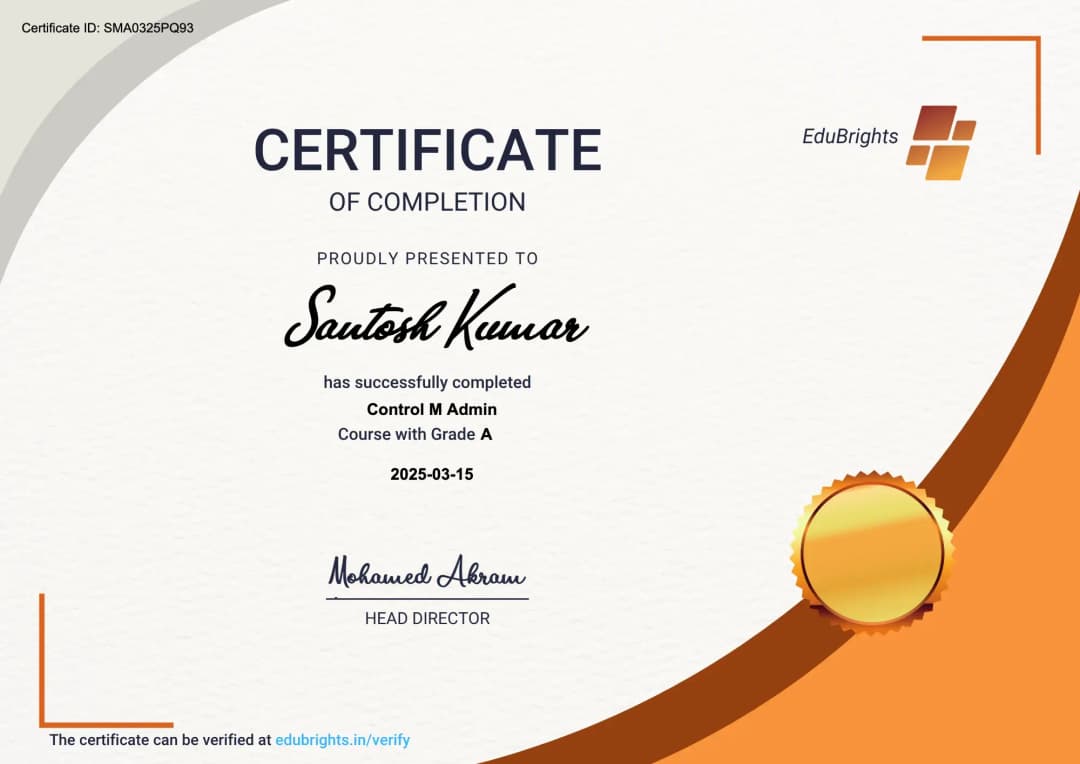
About Our Course Certification*
Validate your expertise in SAP Customer Service processes including service orders, warranties, contracts, repairs, and customer support operations. This certification demonstrates practical SAP CS knowledge and improves career opportunities in ERP consulting and service management domains.
Course FAQs
1. What is SAP CS?
SAP CS (Customer Service) is an SAP solution area used to manage customer service, maintenance, repair, warranty, service requests, and service-related business processes. It helps organizations plan, execute, monitor, and bill customer services.
2. What are the main components of SAP CS?
SAP CS covers areas such as service notifications, service orders, service contracts, warranties, installed base management, field service, repairs, returns, and service billing. These components work together to support end-to-end customer service operations.
3. How does SAP CS support customer service management?
SAP CS allows organizations to register customer issues, plan service activities, assign technicians, consume materials, confirm work, and process billing. It also supports monitoring service response times and customer-related service processes.
4. How does SAP CS integrate with SAP SD?
SAP CS integrates with SAP SD for sales orders, pricing, contracts, deliveries, and billing-related processes. This integration allows service activities and commercial transactions to be connected within an SAP landscape.
5. How does SAP CS integrate with SAP MM?
SAP CS uses SAP MM capabilities for service materials, spare parts, procurement, stock movements, and goods issues. This integration is important when service technicians require materials or replacement components.
6. How does SAP CS integrate with SAP PM?
SAP CS works closely with SAP PM for technical objects, equipment, maintenance notifications, maintenance orders, and maintenance-related activities. This integration is particularly useful when customer service involves technical equipment and maintenance operations.
7. How does SAP CS integrate with SAP FI and CO?
SAP CS can integrate with FI and CO to support accounting and controlling activities related to service execution. Service costs, revenues, billing values, and other financial information can flow into the relevant financial processes.
8. What is master data in SAP CS?
Master data provides the basic information required to execute customer service processes. Important examples include customer master, equipment, functional locations, service materials, work centers, task lists, and warranty-related information.
9. What is customer master data in SAP CS?
Customer master data contains business information required to identify and process customer-related service activities. It can be referenced during service requests, notifications, orders, contracts, billing, and communication processes.
10. What is equipment master data in SAP CS?
Equipment master data represents an individual technical object that requires service or maintenance. It can contain identification, installation, serial-number, technical, and service-related information.
11. What is a functional location in SAP CS?
A functional location represents a physical or logical location where equipment or technical systems are installed. It can be structured hierarchically to support service, maintenance, and technical-object management.
12. What is a service material in SAP CS?
A service material represents a material or spare part used during service activities. It can be used in service orders, component planning, goods issues, repairs, and billing processes.
13. What are work centers in SAP CS?
Work centers represent locations or organizational resources where service activities are performed. They can contain capacity, scheduling, costing, and resource-related information used for service execution.
14. What are task lists in SAP CS?
Task lists define standardized activities or procedures that can be performed during service or maintenance operations. They help organizations reuse predefined service steps and improve consistency in execution.
15. What is a service notification in SAP CS?
A service notification is used to record customer problems, service requests, complaints, or completed activities. SAP provides standard notification types such as customer notifications, service requests, and activity reports.
16. What are the common types of service notifications?
Common notification scenarios include service requests, customer complaints or malfunction notifications, and activity reports. Organizations can also configure additional notification types according to their business requirements.
17. How is a customer complaint handled in SAP CS?
A customer complaint can be recorded through a service notification with relevant customer, equipment, problem, priority, and descriptive information. The notification can then trigger tasks, service orders, technician activities, or other resolution processes.
18. How does problem categorization work in SAP CS?
Problem categorization uses structured codes or classifications to identify the type of customer issue. This helps service teams analyze recurring problems, prioritize requests, and create consistent service records.
19. How is priority assigned to a service notification?
Priority indicates the urgency or importance of a service issue. It can influence scheduling, escalation, response targets, and the sequence in which service requests are processed.
20. How does warranty checking work during notification processing?
When a service transaction references a serviceable object, SAP can check whether valid warranty information exists for that object. This helps determine whether the requested service may qualify for warranty coverage.
21. What is notification workflow in SAP CS?
Notification workflow controls activities that occur as a service notification moves through different processing stages. It can support assignments, approvals, escalations, notifications, and follow-up activities.
22. What is a service order in SAP CS?
A service order is used to plan and execute customer service activities. It can contain information about operations, labor, materials, scheduling, costs, and other resources required to complete the service.
23. What are the different types of service orders?
Service order types can be configured according to different service scenarios and organizational requirements. Examples may include field service orders, repair orders, internal service orders, or other customer-specific service processes.
24. How can a service order be created from a notification?
A service order can be created directly from an existing service notification when the reported problem requires planned service execution. SAP supports linking service notifications and service orders so that the service team can process the issue through execution.
25. What are operations in a service order?
Operations represent the individual activities that need to be performed as part of a service order. They can contain information about work, resources, scheduling, duration, personnel, and execution requirements.
26. What are components in a service order?
Components represent materials or spare parts required to complete service operations. They can be planned in the order and subsequently issued or consumed during service execution.
27. What are Production Resources and Tools (PRTs) in SAP CS?
PRTs are resources or tools required to perform particular service operations. They can be associated with service orders to support planning, execution, and resource tracking.
28. How does service order scheduling work?
Service order scheduling determines when service activities should be performed and considers relevant dates, resources, operations, and availability. Effective scheduling helps service organizations assign technicians and meet customer commitments.
29. What is goods issue in SAP CS service orders?
Goods issue records the consumption or withdrawal of required materials from inventory for service execution. It helps update stock and provides material-cost information for the service process.
30. What is time confirmation in SAP CS?
Time confirmation records the actual time spent by technicians or other resources on service activities. The confirmed time can contribute to service costing, resource-related billing, and productivity analysis.
31. What is service contract management in SAP CS?
Service contract management handles agreements between service providers and customers regarding ongoing services. It can include maintenance contracts, value contracts, validity periods, pricing conditions, renewals, and billing plans.
32. What is a maintenance contract in SAP CS?
A maintenance contract defines agreed maintenance services that are provided to a customer over a specified period. It can contain service scope, validity, pricing, billing, and renewal-related information.
33. What is a value contract in SAP CS?
A value contract defines a commercial agreement based on an agreed service value or consumption arrangement. It can be used to manage customer service commitments and related billing processes.
34. What is contract billing plan in SAP CS?
A billing plan defines when and how billing occurs during the contract lifecycle. Periodic billing can be configured for recurring service agreements based on the contract's commercial conditions.
35. How does SAP CS integrate with SD pricing?
SAP CS can use SD pricing functionality to determine applicable prices, discounts, and other commercial conditions for service-related transactions. This supports consistent pricing across relevant sales and service processes.
36. What is resource-related billing in SAP CS?
Resource-related billing (RRB) calculates charges based on resources consumed during service execution, such as labor, materials, or other services. It is useful when the final customer charge depends on the actual work performed.
37. What is fixed-price billing in SAP CS?
Fixed-price billing charges the customer according to an agreed price rather than calculating the invoice entirely from actual resource consumption. It is commonly useful for predefined service agreements or fixed-scope services.
38. What are credit and debit memos in SAP CS billing?
Credit and debit memos are used to adjust previously billed service values. They can help correct billing differences, issue customer credits, or apply additional charges when required.
39. What is warranty management in SAP CS?
Warranty management handles warranty information and validates whether service activities or claims qualify under defined warranty conditions. SAP can associate warranties with products, installed-base components, or technical objects.
40. What is the difference between time-based and counter-based warranties?
A time-based warranty is determined according to a defined validity period, while a counter-based warranty can depend on a measurable usage value such as operating hours or another configured counter. These conditions help determine warranty eligibility during service processing.
41. What is warranty claim processing?
Warranty claim processing manages requests for service or cost coverage under applicable warranty conditions. It can involve warranty validation, service execution, claim documentation, and related settlement activities.
42. What is field service management in SAP CS?
Field service management supports the planning and execution of services performed at customer locations. It can include technician dispatching, scheduling, mobile service, travel expenses, time confirmation, and service reporting.
43. How does technician dispatching work in SAP CS?
Technician dispatching assigns service personnel to required service activities based on skills, availability, location, schedule, and service priority. Effective dispatching helps organizations respond to customer requests efficiently.
44. What is installed base management in SAP CS?
Installed base management provides a structured view of customer-owned technical objects and their relationships. It can represent equipment hierarchies, components, installations, and service history.
45. What is equipment hierarchy in SAP CS?
An equipment hierarchy represents relationships between equipment and subcomponents in a structured technical system. Multi-level structures help service teams identify individual components and understand the complete installed configuration.
46. What is serialization and component tracking in SAP CS?
Serialization identifies individual physical items using unique serial numbers. Component tracking helps organizations maintain information about where equipment or components are installed and supports accurate service history.
47. How does SAP CS support returns and repairs?
SAP CS can support repair processes involving repair orders, returned materials, loaner equipment, service confirmations, and repair costs. These processes allow organizations to track equipment from receipt through repair and return.
48. What is Return Material Authorization (RMA) in SAP CS?
RMA is a process used to authorize and manage the return of products or equipment for inspection, repair, replacement, or other service activities. It helps connect the returned item with the relevant customer and service process.
49. What practical projects are covered in SAP CS training in Chennai?
The Edubrights course includes projects covering Customer Service Request Management, Warranty Claim Processing, Equipment Maintenance Tracking, Service Contract Management, and Repair and Return Process Automation. These projects provide practical exposure to the end-to-end SAP CS service lifecycle.
50. What technical skills can I gain from SAP CS training in Chennai?
SAP CS training can help develop skills in customer and equipment master data, functional locations, service notifications, service orders, contracts, service billing, resource-related billing, warranty management, field service, installed base management, repairs, returns, service reporting, and SAP SD/MM/PM/FI/CO integration. These topics closely follow the technical curriculum published on the Edubrights SAP CS course page.
Get Training Quote for Free
Testimonials
Hear What Our Students Say
"Transform your life through Education, hear it from our Alumni"

8 LPA
Rahul
Student
Data Scientist
"Transform your life through Education, hear it from our Alumni"

6 LPA
Fathima
Student
Software Engineer
"Transform your life through Education, hear it from our Alumni"

8 LPA
Siddharth
NIELSON IQ
Data Analyst