Course Objectives
1. Learn Digital Commerce and E-Commerce Concepts
Understand how SAP Commerce Cloud helps businesses create online stores, manage products, improve customer experiences, and drive online sales.
2. Master Online Store Management
Learn how to manage product catalogs, customer accounts, pricing, promotions, orders, and digital commerce operations.
3. Gain Practical Experience with SAP Commerce Cloud
Develop hands-on skills in storefront management, customer engagement, product information management, and order processing.
4. Work on Real-World E-Commerce Projects
Apply your knowledge through practical projects focused on online retail, B2B commerce, customer experience, and digital sales platforms.
Popular Techniques Covered in This Course
SAP Commerce Cloud Fundamentals
E-Commerce Store Management
Product Catalog Management
Customer Experience Management
Order Management
Pricing and Promotions
Digital Commerce Solutions
Customer Account Management
SAP Commerce Cloud Integration
Online Sales Analytics
Get Hands-on Knowledge about Real-Time Projects
Project 1
Project 1: Online Retail Store Development
Build a complete online shopping platform with product listings, customer registration, shopping cart, and checkout functionality.
Project 2
Project 2: Product Catalog Management System
Create a centralized product management solution that handles categories, pricing, descriptions, and inventory information
Project 3
Project 3: Customer Loyalty and Rewards Portal
Develop a customer loyalty program that offers rewards, discounts, and personalized shopping experiences
Project 4
Project 4: B2B Commerce Solution
Design a business-to-business purchasing platform that supports bulk orders, custom pricing, and customer-specific catalogs.
Project 5
Project 5: Order Tracking and Customer Service Portal
Implement a solution that allows customers to track orders, manage returns, and access support services online.
Key Features
Edubrights offers SAP Commerce Cloud in virtual mode with expert trainers. Here are the key features,
40 Hours Course Duration
100% Job Oriented Training
Industry Expert Faculties
Free Demo Class Available
Completed 500+ Batches
Certification Guidance
Curriculum
Module 1: Introduction to SAP Commerce Cloud
- Overview of SAP Commerce Cloud (formerly SAP Hybris)
- Commerce Cloud architecture: Platform, modules, extensions
- B2C, B2B, and B2B2C commerce scenarios
- Integration with SAP S/4HANA, ERP, and CX suite
- Commerce Cloud implementation methodology
Module 2: Commerce Cloud Platform Architecture
- SAP Commerce platform and Spring framework
- Extension and addon concepts
- Backoffice administration framework
- HAC (Hybris Administration Console)
- Deployment on SAP BTP and cloud
Module 3: Catalog and Product Management
- Catalog structure: Catalog, catalog version, category
- Product content management
- Product variants and configurable products
- Media and digital asset management
- Catalog synchronization
Module 4: Customer and Order Management
- Customer account and profile management
- Order lifecycle: Cart, checkout, order, fulfillment
- Order splitting and sourcing rules
- Order history and self-service
- Consignment and shipment tracking
Module 5: Pricing and Promotions
- Price rows and price lists
- Promotion rules engine (Drools)
- Vouchers and coupons
- Customer-group-based pricing
- Time-limited promotions
Module 6: Search and Navigation (SAP Intelligent Selling)
- SOLR search configuration
- Faceted navigation setup
- Merchandising and search boost rules
- Intelligent search with AI
- Search relevance tuning
Module 7: CMS and Storefront
- SmartEdit CMS tool
- Page templates and slots
- CMS components and content
- Storefront customization
- Responsive storefront design
Module 8: B2B Commerce Features
- B2B units and organizational hierarchy
- Budget and cost center management
- Approval workflows for orders
- Punchout and catalog integration (OCI)
- Contract pricing and negotiated pricing
Module 9: Personalization and Marketing
- Personalization module setup
- Customer segment targeting
- A/B testing configuration
- Integration with SAP Marketing Cloud
- Emarsys integration for personalization
Module 10: Commerce Integration
- Data Hub for ERP integration
- ImpEx for data import/export
- OCC (Omni Commerce Connect) REST APIs
- Integration with SAP Order Management
- Third-party payment gateway integration
Module 11: Commerce Cloud Performance and Scalability
- Caching strategies in Commerce
- Cluster configuration
- Performance testing and tuning
- CDN integration
- Commerce Cloud on cloud scalability
Module 12: Real-Time Projects and Case Studies
- Retail B2C commerce implementation
- Manufacturing B2B portal rollout
- End-to-end Commerce Cloud deployment
- Certification and interview preparation
Receive Training From Our Skilled and Effective Trainers
Experience in the Industry Gain knowledge from experts with hands-on SAP Commerce Cloud project experience in retail, consumer goods, and manufacturing e-commerce.
Backgrounds at the Top Prominent corporations such as HCL, TCS, Accenture, and Capgemini employ our SAP Commerce Cloud trainers.
Clear & Effective Teaching Excellent communication and real-world examples simplify complex commerce platform architecture and development.
Hands-On Learning Focus Students apply skills using live SAP Commerce Cloud environments with real storefront and B2B portal projects.
Up-to-Date Knowledge Trainers stay current with latest SAP Commerce Cloud releases, headless commerce, and AI-driven selling trends.
Succeed Our Resourceful Certification
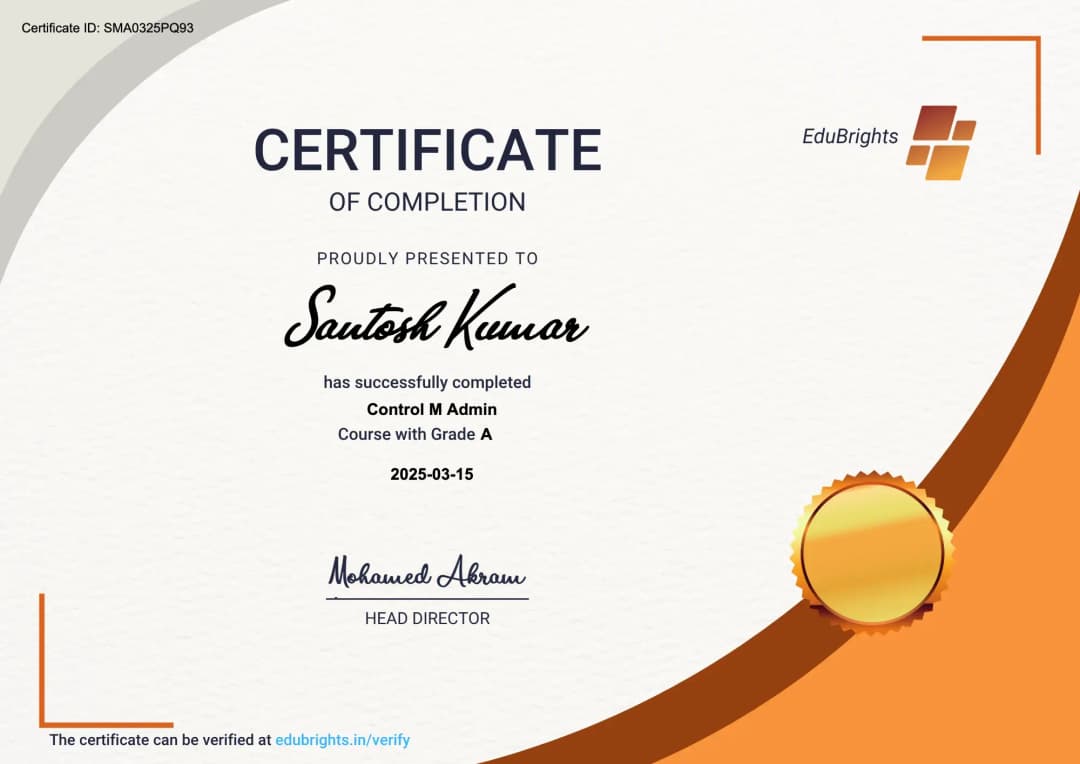
The SAP Commerce Cloud Professional Certification validates your skills in e-commerce management, digital customer experience, product catalog management, and online sales operations. It demonstrates your ability to build and manage modern commerce solutions using SAP Commerce Cloud. This certification can help you build a successful career in digital commerce, customer experience management, and SAP consulting.
Course FAQs
1. What is SAP Commerce Cloud?
SAP Commerce Cloud is a cloud-based digital commerce platform used to build and manage B2C, B2B, and B2B2C commerce experiences. It supports product management, customer engagement, pricing, promotions, order processing, search, and omnichannel commerce.
2. What was SAP Commerce Cloud previously called?
SAP Commerce Cloud was formerly known as SAP Hybris. The platform evolved from the SAP Hybris Commerce product into a broader cloud-based commerce solution.
3. What are the main components of SAP Commerce Cloud?
Major components include the Commerce platform, extensions, Backoffice, catalog management, order management, search, CMS, pricing, promotions, and integration capabilities. The Edubrights curriculum also covers SmartEdit, OCC APIs, ImpEx, B2B features, and cloud deployment.
4. What is the architecture of SAP Commerce Cloud?
SAP Commerce Cloud uses a modular architecture based on the Commerce platform, extensions, services, and application components. Its architecture can be extended to support storefronts, integrations, business processes, and customized commerce functionality.
5. What is an extension in SAP Commerce Cloud?
An extension is a modular unit that contains functionality, configuration, data definitions, services, or other resources. Extensions allow developers to organize and customize Commerce Cloud functionality without placing all logic into one application module.
6. What is an AddOn in SAP Commerce Cloud?
An AddOn is a mechanism used to extend or customize storefront functionality through reusable components. It can help developers add specific storefront features while keeping customization organized.
7. How is Spring Framework used in SAP Commerce Cloud?
SAP Commerce Cloud uses Spring-based dependency injection and application configuration. Developers can use Spring concepts to configure services, beans, dependencies, and application behavior.
8. What is Backoffice in SAP Commerce Cloud?
Backoffice is an administrative interface used to manage Commerce Cloud data and business operations. It can be used for product catalogs, customers, orders, workflows, system configuration, and other administrative activities.
9. What is HAC in SAP Commerce Cloud?
HAC, or Hybris Administration Console, is an administrative and development-oriented console used to perform system-level operations. It provides tools for activities such as running queries, monitoring system information, executing scripts, and managing configurations.
10. What is Product Catalog Management in SAP Commerce Cloud?
Product Catalog Management involves maintaining product information, categories, catalog versions, prices, media, and related product attributes. SAP Commerce Cloud supports centralized product information and catalog synchronization across commerce channels.
11. What is a catalog in SAP Commerce Cloud?
A catalog is a structured collection of products and categories used to organize commerce information. It provides the foundation for presenting products and managing product-related content.
12. What is a catalog version?
A catalog version represents a particular version of catalog content, such as staged or online content. It helps organizations manage changes before publishing updated catalog information to customers.
13. What is catalog synchronization?
Catalog synchronization transfers catalog data between catalog versions. It can be used to move approved product, category, and related content from a staged version toward an online version.
14. What are product variants in SAP Commerce Cloud?
Product variants represent different versions of a base product based on attributes such as size, color, configuration, or other characteristics. They allow commerce applications to present related product options while maintaining structured product data.
15. How is digital asset management handled in SAP Commerce Cloud?
Digital assets such as product images, videos, and other media can be associated with product and catalog information. Proper media management helps storefronts display consistent product content across commerce channels.
16. How does SAP Commerce Cloud manage customer accounts?
Customer account management maintains information such as customer profiles, addresses, orders, preferences, and account-related data. It supports customer self-service and personalized commerce experiences.
17. What is the order lifecycle in SAP Commerce Cloud?
The order lifecycle generally includes cart creation, checkout, order placement, fulfillment, shipment, and post-order activities. Commerce Cloud supports centralized order processing and complex scenarios such as split orders and returns.
18. What is a cart in SAP Commerce Cloud?
A cart stores the products selected by a customer before an order is placed. It can contain product quantities, prices, promotions, delivery information, and other checkout-related data.
19. What happens during checkout?
Checkout validates customer, product, pricing, delivery, and payment information before an order is submitted. Depending on the implementation, additional validation and integration steps can occur before order creation.
20. What is order splitting?
Order splitting divides an order into multiple fulfillment units or consignments when products need to be fulfilled separately. This can be useful when items come from different warehouses, suppliers, or fulfillment locations.
21. What are sourcing rules in SAP Commerce Cloud?
Sourcing rules help determine where products should be fulfilled from based on configured business requirements. They can consider inventory availability, locations, priorities, and fulfillment strategies.
22. What is consignment management?
A consignment represents a fulfillment unit associated with an order. It can contain information about shipment, warehouse processing, delivery status, and tracking.
23. What are price rows in SAP Commerce Cloud?
Price rows define product pricing information according to configured attributes such as product, currency, user group, quantity, and validity period. They provide a structured way to maintain commerce prices.
24. What are price lists?
Price lists organize pricing information for products or customer groups. They can support different pricing strategies based on market, currency, customer segment, quantity, or business agreements.
25. What is the promotion rules engine in SAP Commerce Cloud?
The promotion rules engine is used to define and execute promotional business rules. The Edubrights curriculum specifically covers promotion rules using Drools, including discounts and time-limited promotions.
26. How are vouchers and coupons handled?
Vouchers and coupons can be configured to provide specific discounts or promotional benefits during a commerce transaction. Rules can determine eligibility, validity, usage conditions, and applicable products or customers.
27. What is SOLR search in SAP Commerce Cloud?
SOLR is used to support product search and indexing functionality in SAP Commerce Cloud. It enables efficient product discovery and can support features such as filtering, sorting, indexing, and search relevance.
28. What is faceted navigation?
Faceted navigation allows customers to filter search results using attributes such as brand, category, size, color, price, or other product characteristics. It improves product discovery by narrowing large product collections.
29. How is search relevance configured?
Search relevance determines how closely search results match customer queries. Commerce Cloud implementations can use configuration, search boosts, ranking rules, and other mechanisms to improve the ordering of results.
30. What is SmartEdit?
SmartEdit is a content management tool that allows authorized users to manage and preview storefront content. It supports page editing, content components, layouts, and other CMS activities.
31. What are CMS components in SAP Commerce Cloud?
CMS components are reusable content elements used to build storefront pages. Examples can include banners, navigation elements, product-related components, text blocks, images, and promotional content.
32. What are page templates and slots?
Page templates define the overall structure of storefront pages, while content slots provide designated areas where CMS components can be placed. Together, they support reusable and manageable storefront layouts.
33. What is B2B Commerce in SAP Commerce Cloud?
B2B Commerce supports business purchasing processes such as organizational accounts, bulk ordering, approval workflows, negotiated pricing, budgets, and customer-specific catalogs. SAP Commerce Cloud provides dedicated B2B capabilities for these scenarios.
34. What are B2B units and organizational hierarchies?
B2B units represent business organizations or purchasing structures within a commerce implementation. Organizational hierarchies can define relationships between companies, departments, users, and other purchasing entities.
35. How do B2B approval workflows work?
B2B approval workflows control how orders or purchasing requests move through defined approval stages. Rules can determine which users or managers must approve transactions based on configured business requirements.
36. What is contract pricing in SAP Commerce Cloud?
Contract pricing allows specific customers or customer groups to receive agreed prices based on commercial agreements. It is commonly used in B2B scenarios where standard retail pricing does not apply.
37. What is personalization in SAP Commerce Cloud?
Personalization uses customer information, segments, behavior, and business rules to deliver more relevant commerce experiences. It can be used for targeted content, product recommendations, promotions, and customer-specific experiences.
38. What is A/B testing in SAP Commerce Cloud?
A/B testing compares different versions of content, experiences, or commerce elements with selected customer groups. The results can help businesses evaluate which variation produces better engagement or conversion outcomes.
39. How does SAP Commerce Cloud integrate with SAP S/4HANA?
SAP Commerce Cloud can integrate with SAP S/4HANA to exchange product, customer, pricing, inventory, order, and fulfillment information. Integration architecture can use supported APIs, integration services, or other SAP connectivity mechanisms.
40. What is ImpEx in SAP Commerce Cloud?
ImpEx is a data import and export mechanism used to load and extract Commerce Cloud data. Developers and administrators can use ImpEx scripts to manage products, categories, users, prices, configuration data, and other platform objects.
41. What is OCC in SAP Commerce Cloud?
OCC, or Omni Commerce Connect, provides REST-based APIs for exposing Commerce Cloud functionality to external applications and channels. It can support integrations involving products, carts, customers, orders, search, and other commerce operations.
42. How is authentication handled for Commerce Cloud APIs?
API security depends on the configured Commerce Cloud integration architecture and authentication mechanism. Secure authentication and authorization should be implemented so external applications can access only the required commerce resources.
43. How are payment gateways integrated with SAP Commerce Cloud?
Payment gateway integration connects the commerce checkout process with external payment providers. The integration can handle payment authorization, transaction responses, payment status, and other required payment operations.
44. What is Data Hub in SAP Commerce Cloud integration?
Data Hub was used in earlier SAP Commerce integration architectures to exchange data between Commerce and external SAP or enterprise systems. In such architectures, it could support synchronization of products, customers, orders, and other business information.
45. What is the difference between B2C, B2B, and B2B2C commerce?
B2C focuses on selling directly to individual consumers, while B2B focuses on business customers and organizational purchasing processes. B2B2C combines business-to-business relationships with customer-facing commerce channels.
46. How can SAP Commerce Cloud performance be improved?
Performance can be improved through appropriate caching, database optimization, search optimization, efficient code, infrastructure sizing, and load testing. The Edubrights curriculum also covers cluster configuration, CDN integration, performance testing, and cloud scalability.
47. What is caching in SAP Commerce Cloud?
Caching stores frequently accessed information so it can be served without repeatedly performing expensive operations. Proper caching can reduce response times and improve application scalability when configured correctly.
48. What is cluster configuration in SAP Commerce Cloud?
Cluster configuration allows multiple application nodes to work together to support a commerce workload. A properly designed cluster can improve availability, scalability, and the ability to handle higher traffic volumes.
49. What practical projects can be covered in SAP Commerce Cloud training in Chennai?
The Edubrights course lists projects such as Online Retail Store Development, Product Catalog Management System, Customer Loyalty and Rewards Portal, B2B Commerce Solution, and Order Tracking and Customer Service Portal. These projects provide practical exposure to storefronts, product data, customer engagement, B2B purchasing, and order-service workflows.
50. What technical skills can I gain from SAP Commerce Cloud training in Chennai?
Training can help develop skills in Commerce Cloud architecture, extensions, Spring, Backoffice, HAC, catalog management, product variants, catalog synchronization, order management, pricing, promotions, SOLR search, SmartEdit, CMS, B2B commerce, personalization, ImpEx, OCC APIs, SAP integration, payment gateways, caching, clustering, performance tuning, CDN integration, and cloud scalability. These areas closely follow the technical curriculum published on the Edubrights SAP Commerce Cloud course page.
Get Training Quote for Free
Testimonials
Hear What Our Students Say
"Transform your life through Education, hear it from our Alumni"

8 LPA
Rahul
Student
Data Scientist
"Transform your life through Education, hear it from our Alumni"

6 LPA
Fathima
Student
Software Engineer
"Transform your life through Education, hear it from our Alumni"

8 LPA
Siddharth
NIELSON IQ
Data Analyst