Course Objectives
1. What will I learn by taking the SAP CC (Convergent Charging) course in Bangalore?
You'll build a solid understanding of the core concepts, terminology, and fundamentals of SAP CC (Convergent Charging), giving you a strong foundation to build on.
2. What hands-on skills will I gain from the SAP CC (Convergent Charging) training?
You'll get hands-on experience with industry-relevant SAP CC (Convergent Charging) tools and workflows through guided exercises, so you learn by doing rather than just reading theory.
3. How does the SAP CC (Convergent Charging) course prepare me for real-world work?
The SAP CC (Convergent Charging) course is designed around how SAP CC (Convergent Charging) is actually applied to solve real-world problems in professional settings, not just textbook scenarios.
4. What practical, job-ready skills will I build during SAP CC (Convergent Charging) training in Bangalore?
You'll develop the practical skills needed to confidently work with SAP CC (Convergent Charging) on the job, so you're ready to contribute from day one in a SAP CC (Convergent Charging) role.
5. Will I work on real projects during the SAP CC (Convergent Charging) course?
Yes, the SAP CC (Convergent Charging) course includes real-time projects and case studies that reinforce concepts through practice, giving you portfolio-ready work by the end.
6. How does the SAP CC (Convergent Charging) course help with certification and job interviews?
The SAP CC (Convergent Charging) course is structured to help you prepare for relevant certifications and interviews, covering the concepts and terminology employers and exam boards expect.
Popular Techniques Covered in This Course
SAP Convergent Charging Fundamentals
Usage-Based Billing
Subscription Billing
Charge Plan Configuration
Pricing Management
Rating and Charging Processes
Revenue Management
Customer Account Management
SAP BRIM Integration
Billing Process Automation
Get Hands-on Knowledge about Real-Time Projects
Project 1
Project 1: Telecom Usage Billing System
Build a billing solution that calculates customer charges based on call usage, data consumption, and service subscriptions.
Project 2
Project 2: Subscription-Based Service Billing
Create a recurring billing system for monthly and annual subscription services with automated invoicing.
Project 3
Project 3: Prepaid Customer Charging Solution
Develop a prepaid charging platform that deducts balances based on customer service usage in real time.
Project 4
Project 4: Revenue Management Dashboard
Design a dashboard that tracks customer usage, billing trends, revenue performance, and payment status.
Project 5
Project 5: SAP BRIM and SAP CC Integration
Implement an integrated billing solution that connects SAP Convergent Charging with SAP BRIM components for end-to-end revenue management.
Key Features
Edubrights offers SAP CC ( convergent Chaarging ) in virtual mode with expert trainers. Here are the key features,
40 Hours Course Duration
100% Job Oriented Training
Industry Expert Faculties
Free Demo Class Available
Completed 500+ Batches
Certification Guidance
Curriculum
Module 1: Introduction to SAP Convergent Charging
- Overview of SAP Convergent Charging (CC)
- CC use cases: Telco, utilities, media, financial services
- CC architecture: Charging master, rating engine, balance management
- Integration with SAP BRIM, FI-CA, and CRM
- CC implementation methodology
Module 2: CC Architecture and Components
- Charging master and provider contracts
- Rating engine and price plans
- Balance management and refilling
- Subscription management
- CC integration with SAP Convergent Invoicing
Module 3: Price Plans and Rating
- Price plan structure: Rates, charges, discounts
- One-time, recurring, and usage-based charges
- Rating rules and calculation logic
- Tiered and volume-based pricing
- Promotional pricing and bundles
Module 4: Provider Contracts
- Provider contract creation and management
- Contract items and charge plans
- Contract validity and lifecycle
- Contract modification and versioning
- Multi-service contract bundles
Module 5: Balance Management
- Balance types: Monetary, non-monetary, counters
- Balance refilling and top-up
- Balance expiry and carry-forward
- Shared balance pools
- Real-time balance deduction
Module 6: Subscription and Order Management
- Subscription order creation
- Service activation and deactivation
- Plan change and upgrade
- Suspension and reactivation
- Order fulfillment integration
Module 7: Usage Data Processing
- CDR (Call Detail Record) processing
- Usage data mediation
- Real-time and batch rating
- Usage aggregation and reporting
- Error handling in usage processing
Module 8: Discounting and Promotions
- Discount types: Percentage, fixed, conditional
- Loyalty discount programs
- Promotional credits and free units
- Cross-product discounting
- Discount monitoring and reporting
Module 9: CC Integration with BRIM
- BRIM (Billing and Revenue Innovation Management) overview
- CC to Convergent Invoicing integration
- FI-CA contract accounts receivable
- Revenue recognition for subscriptions
- End-to-end billing flow
Module 10: Real-Time Charging
- Online charging system (OCS) concepts
- Diameter protocol integration
- Real-time authorization and deduction
- Credit control for prepaid services
- Latency and performance optimization
Module 11: CC Reporting and Analytics
- Revenue and usage reports
- Balance utilization dashboards
- Subscription churn analysis
- Price plan performance reports
- Integration with SAP Analytics Cloud
Module 12: Real-Time Projects and Case Studies
- Telco convergent charging implementation
- Utility subscription billing rollout
- End-to-end CC and BRIM cycle
- Certification and interview preparation
Receive Training From Our Skilled and Effective Trainers
Experience in the Industry Gain expertise from SAP CC (Convergent Charging) professionals training in Bangalore who have applied their skills on live projects across corporate, product, and consulting environments, bringing practical, real-world context into every SAP CC (Convergent Charging) session.
Backgrounds at the Top Our SAP CC (Convergent Charging) trainers in Bangalore bring hands-on industry experience, having worked on real SAP CC (Convergent Charging) projects for organizations across various industries before moving into training.
Clear & Effective Teaching Core SAP CC (Convergent Charging) concepts, tools, and workflows are explained using real project examples and practical scenarios, so you understand not just the theory but how SAP CC (Convergent Charging) is actually used on the job.
Hands-On Learning Focus Students get structured, hands-on practice with SAP CC (Convergent Charging) through guided exercises, mini-projects, and lab work designed to build practical, job-ready skills.
Up-to-Date Knowledge Trainers keep the SAP CC (Convergent Charging) curriculum current with the latest tools, versions, and industry best practices, so what you learn stays relevant to how SAP CC (Convergent Charging) is used today in Bangalore and beyond.
Succeed Our Resourceful Certification
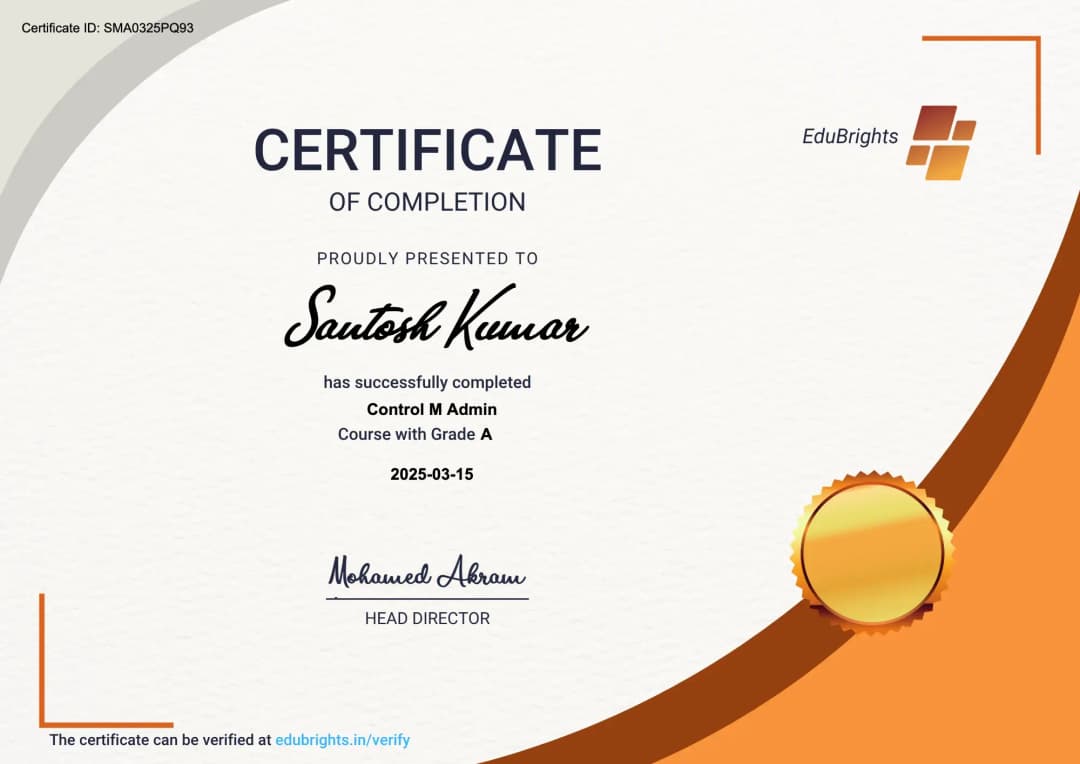
The SAP Convergent Charging Professional Certification validates your skills in usage-based billing, subscription management, pricing configuration, and revenue management. It demonstrates your ability to configure and manage charging processes using SAP Convergent Charging solutions. This certification can help you build a career in SAP billing, telecom solutions, and revenue management consulting.
Course FAQs
1. What is SAP Convergent Charging (SAP CC)?
SAP Convergent Charging is a solution used to calculate and manage charges for products and services based on usage, subscriptions, pricing rules, and customer agreements. It is widely used in high-volume charging scenarios such as telecommunications, utilities, media, and digital services.
2. What are the main components of SAP Convergent Charging?
The main components include the Charging Master, rating engine, price plans, provider contracts, balance management, subscription management, and charging-related integration components. Together, these components support end-to-end charging and pricing processes.
3. What is the Charging Master in SAP CC?
The Charging Master is used to configure and manage charging-related master data and business objects. It provides the foundation for defining pricing structures, contracts, balances, and other charging configurations.
4. What is the SAP CC rating engine?
The rating engine calculates charges based on usage events, customer contracts, price plans, rates, discounts, and other configured rules. It converts usage information into chargeable amounts according to the applicable pricing logic.
5. What is a price plan in SAP Convergent Charging?
A price plan defines how a product or service is charged. It can contain rates, charges, discounts, recurring fees, usage-based pricing, and other calculation rules.
6. What types of charges can be configured in SAP CC?
SAP CC can support one-time, recurring, and usage-based charges. Pricing can also include tiered rates, volume-based pricing, promotional pricing, discounts, and bundled service charges.
7. What is usage-based charging in SAP CC?
Usage-based charging calculates customer charges according to the quantity or characteristics of a consumed service. Examples include call duration, mobile data usage, messages, utility consumption, or digital-service usage.
8. What is subscription billing in SAP Convergent Charging?
Subscription billing applies recurring or contract-based charges to customers who subscribe to products or services. The charging model can include recurring fees, usage charges, discounts, and promotional benefits.
9. What is a provider contract in SAP CC?
A provider contract represents the commercial relationship between a service provider and a customer for charging purposes. It can contain contract items, charge plans, validity information, and applicable service conditions.
10. What are contract items in SAP Convergent Charging?
Contract items represent individual charging-related components within a provider contract. They can reference charge plans and help define the services, products, or benefits associated with a customer agreement.
11. How are provider contract lifecycles managed in SAP CC?
Provider contracts can be created, activated, modified, suspended, upgraded, or terminated according to business requirements. Validity dates and contract versions help maintain the appropriate charging configuration throughout the lifecycle.
12. What is contract versioning in SAP Convergent Charging?
Contract versioning allows changes to charging-related contract information to be managed while maintaining appropriate historical and current configurations. This is useful when pricing or service conditions change during an active customer relationship.
13. What are multi-service contract bundles?
Multi-service contracts allow multiple products or services to be associated with a single customer charging relationship. This can support bundled offerings such as voice, data, messaging, and digital services.
14. What is balance management in SAP CC?
Balance management tracks customer balances that can be consumed, replenished, expired, or carried forward. It is particularly important for prepaid and usage-based charging scenarios.
15. What types of balances are supported in SAP Convergent Charging?
SAP CC can work with monetary balances, non-monetary balances, and counters. These balances can be used for money, free units, quotas, consumption limits, and other charging-related measurements.
16. What is balance refilling in SAP CC?
Balance refilling adds value or units to an existing customer balance. It can be used for prepaid top-ups, promotional credits, quota replenishment, and other balance-management scenarios.
17. What is real-time balance deduction?
Real-time balance deduction immediately reduces an available customer balance when a chargeable service is consumed. This is important for prepaid services where the system must authorize usage based on the customer's current balance.
18. What is balance expiry in SAP Convergent Charging?
Balance expiry defines when a balance or benefit is no longer available for consumption. Expiry rules can be used for prepaid funds, promotional credits, free units, and time-limited service benefits.
19. What is carry-forward balance management?
Carry-forward allows eligible unused balances or benefits to be transferred into a subsequent period according to configured rules. It can be used for subscription allowances and other recurring service benefits.
20. What are shared balance pools?
Shared balance pools allow multiple services, users, or accounts to consume from a common balance. This can support business models such as family plans, shared data packages, and enterprise service bundles.
21. What is subscription management in SAP CC?
Subscription management handles customer subscription-related activities such as creation, activation, modification, suspension, upgrade, and termination. It works with charging and contract information to ensure the correct pricing is applied.
22. What is subscription order management?
Subscription order management processes requests for creating or modifying subscribed services. It can support service activation, plan changes, upgrades, suspension, reactivation, and fulfillment integration.
23. How does SAP CC handle service activation and deactivation?
Service activation and deactivation can be connected to subscription and order-management processes. When a service changes state, the corresponding charging and contract configuration can be updated according to business rules.
24. What is CDR processing in SAP Convergent Charging?
CDR stands for Call Detail Record and represents usage information generated by telecommunications or other service systems. SAP CC can process usage records and apply appropriate rating and charging rules.
25. What is usage data mediation?
Usage data mediation prepares incoming usage information so that it can be processed by charging systems. It can involve validating, transforming, normalizing, filtering, and routing usage events before rating.
26. What is real-time rating in SAP CC?
Real-time rating calculates charges immediately when a usage event is received. It is useful for online services where charging decisions and balance deductions need to occur with low latency.
27. What is batch rating in SAP Convergent Charging?
Batch rating processes usage information in groups rather than individually in real time. It can be useful for large volumes of usage records where immediate charging is not required.
28. How does SAP CC handle usage-processing errors?
Usage-processing errors can be identified and handled through validation and error-management mechanisms. Failed events can be investigated and corrected so that valid usage can continue through the charging process.
29. What is discounting in SAP Convergent Charging?
Discounting modifies the standard charge according to configured business rules. SAP CC can support percentage discounts, fixed discounts, conditional discounts, promotional credits, free units, and other pricing benefits.
30. What is promotional pricing in SAP CC?
Promotional pricing provides temporary or conditional pricing benefits to customers. It can be configured for specific products, customer groups, usage levels, subscriptions, or promotional periods.
31. What is cross-product discounting?
Cross-product discounting applies a pricing benefit based on the consumption or purchase of multiple products or services. It can support bundled commercial offers and multi-service pricing strategies.
32. What is SAP Convergent Invoicing integration with SAP CC?
SAP CC can send charging results to SAP Convergent Invoicing as part of an end-to-end billing process. This integration helps connect usage-based charging with invoicing and subsequent financial processes.
33. How does SAP CC integrate with SAP BRIM?
SAP Convergent Charging is a key component within SAP BRIM and can integrate with Convergent Invoicing and FI-CA. This allows organizations to connect pricing, charging, invoicing, accounts receivable, and revenue-related processes.
34. What is FI-CA integration in SAP CC?
FI-CA stands for Contract Accounts Receivable and Payable. Integration with FI-CA helps connect billing and customer contract processes with financial accounting and receivables management.
35. What is the end-to-end SAP CC and BRIM billing flow?
A typical flow can begin with customer subscriptions or orders, followed by usage capture, rating, charging, billing, invoicing, and financial settlement. SAP CC handles the charging stage while other SAP BRIM components support downstream billing and financial processes.
36. What is revenue recognition for subscription services?
Revenue recognition determines how revenue associated with subscription services is accounted for over the relevant service period. SAP CC and BRIM processes can participate in an integrated billing and revenue-management architecture.
37. What is an Online Charging System (OCS)?
An Online Charging System performs charging decisions while a service is being consumed or before usage is authorized. It can check customer balances, apply charging rules, and authorize or reject usage based on configured conditions.
38. What is Diameter protocol integration in SAP CC?
Diameter is a protocol commonly used in telecommunications networks for authentication, authorization, accounting, and policy-related communication. SAP CC can participate in real-time charging architectures where Diameter-based communication is required.
39. How does SAP CC support prepaid charging?
SAP CC can evaluate a customer's available balance before or during service consumption and deduct the applicable charge in real time. This enables prepaid services to enforce balance limits and provide immediate charging decisions.
40. How is charging performance optimized in SAP CC?
Charging performance can be improved through appropriate architecture, efficient rating logic, optimized pricing configurations, and effective handling of high-volume usage events. Latency and scalability are particularly important for real-time telecommunications charging.
41. What is revenue reporting in SAP Convergent Charging?
Revenue reporting provides visibility into charges, customer usage, service consumption, and revenue-related information. These reports can help organizations analyze commercial performance and charging outcomes.
42. What are balance utilization dashboards?
Balance utilization dashboards provide visibility into how customer balances, quotas, or service allowances are being consumed. They can help identify consumption trends and support operational and commercial analysis.
43. How can subscription churn be analyzed using SAP CC data?
Subscription and usage information can be analyzed to identify patterns associated with customer inactivity, plan changes, cancellations, or declining service consumption. These insights can support customer-retention and pricing strategies.
44. What is price plan performance analysis?
Price plan performance analysis evaluates how different pricing plans perform based on factors such as usage, revenue, customer adoption, discounts, and profitability. It can help organizations refine pricing and product strategies.
45. How can SAP Analytics Cloud integrate with SAP CC reporting?
SAP Analytics Cloud can be used alongside SAP CC-related data to create dashboards and analytical views. Organizations can analyze usage, revenue, subscription, balance, and pricing information to support business decisions.
46. Which industries commonly use SAP Convergent Charging?
SAP CC can support industries with complex, high-volume, usage-based, or subscription-driven charging requirements. Common examples include telecommunications, utilities, media, digital services, and financial services.
47. What is the role of SAP CC in telecom billing?
In telecommunications, SAP CC can rate voice, data, messaging, subscriptions, bundles, and other services. It can support prepaid and postpaid charging models and integrate charging results into broader SAP BRIM billing processes.
48. How does SAP CC support utility subscription billing?
Utility businesses can use SAP CC to calculate charges based on consumption, subscriptions, pricing tiers, and other commercial rules. Usage data can be rated and passed into downstream billing processes for invoicing and financial settlement.
49. What practical projects are covered in SAP CC training in Bangalore?
The Edubrights course includes projects such as a Telecom Usage Billing System, Subscription-Based Service Billing, Prepaid Customer Charging Solution, Revenue Management Dashboard, and SAP BRIM and SAP CC Integration. These projects provide practical exposure to usage rating, subscription charging, prepaid balances, analytics, and end-to-end BRIM processes.
50. What technical skills can I gain from SAP CC training in Bangalore?
SAP CC training can help develop skills in CC architecture, Charging Master, rating engines, price plans, provider contracts, balance management, subscription management, CDR processing, usage mediation, discounting, promotional pricing, BRIM integration, FI-CA integration, real-time charging, Diameter-based charging concepts, reporting, analytics, and performance optimization. These areas align with the technical curriculum published on the Edubrights SAP CC course page.
Get Training Quote for Free
Testimonials
Hear What Our Students Say
"Transform your life through Education, hear it from our Alumni"

8 LPA
Rahul
Student
Data Scientist
"Transform your life through Education, hear it from our Alumni"

6 LPA
Fathima
Student
Software Engineer
"Transform your life through Education, hear it from our Alumni"

8 LPA
Siddharth
NIELSON IQ
Data Analyst
