Course Objectives
1. Learn Fraud Detection and Compliance Monitoring
Understand how SAP Business Integrity Screening helps organizations identify suspicious activities, reduce fraud risks, and improve compliance.
2. Master Risk Analysis and Alert Management
Learn how to monitor transactions, create detection rules, investigate alerts, and support business risk management processes.
3. Gain Hands-On Experience with SAP BIS
Develop practical skills in configuring SAP Business Integrity Screening, managing cases, and analyzing business transactions.
4. Work on Real-World Fraud Prevention Projects
Apply your knowledge through practical projects focused on fraud detection, compliance monitoring, and risk assessment.
Popular Techniques Covered in This Course
SAP Business Integrity Screening Fundamentals
Fraud Detection Techniques
Compliance Monitoring
Alert Management
Case Management
Rule Configuration
Transaction Monitoring
Business Process Risk Control
SAP System Integration
Risk Assessment and Analysis
Get Hands-on Knowledge about Real-Time Projects
Project 1
Project 1: Financial Fraud Detection System
Develop a solution to identify unusual financial transactions and generate alerts for further investigation.
Project 2
Project 2: Vendor Risk Monitoring Process
Create a monitoring system that detects suspicious vendor activities and helps prevent procurement fraud.
Project 3
Project 3: Compliance Violation Detection
Build a screening framework to identify policy violations and regulatory compliance issues within business operations.
Project 4
Project 4: Employee Expense Fraud Analysis
Design a system that analyzes employee expense claims and highlights potentially fraudulent activities.
Project 5
Project 5: Automated Risk Alert Management
Implement an automated alert process that prioritizes high-risk transactions and supports faster investigations.
Key Features
Edubrights offers SAP Business Integrity Screening in virtual mode with expert trainers. Here are the key features,
40 Hours Course Duration
100% Job Oriented Training
Industry Expert Faculties
Free Demo Class Available
Completed 500+ Batches
Certification Guidance
Curriculum
Module 1: Introduction to SAP Business Integrity Screening
- Overview of SAP Business Integrity Screening (BIS)
- BIS use cases: Fraud detection, anomaly detection, compliance
- BIS architecture and components
- Integration with SAP ECC, S/4HANA, and non-SAP systems
- BIS within the GRC ecosystem
Module 2: BIS System Architecture
- BIS server and client components
- Data extraction from source systems
- BIS data model and schema
- User management and authorization
- System landscape setup
Module 3: Screening Rules and Strategies
- Pre-built screening rules library
- Custom rule creation using BRF+
- Rule strategy configuration
- Risk scoring methodology
- Rule testing and validation
Module 4: Data Sources and Connectivity
- SAP ECC and S/4HANA data extraction
- Financial data: AP, AR, GL, procurement
- HR data for fraud screening
- Non-SAP data source integration
- Real-time and batch data processing
Module 5: Fraud Detection Scenarios
- Accounts payable fraud patterns
- Ghost employee detection
- Duplicate payment screening
- Vendor master manipulation detection
- Expense report fraud detection
Module 6: Alert Management
- Alert generation and prioritization
- Alert assignment to investigators
- Investigation workflow
- Evidence management
- Alert resolution and sign-off
Module 7: Investigation Management
- Case management in BIS
- Investigation documentation
- Evidence and attachment handling
- Collaboration with legal and HR
- Case closure and reporting
Module 8: Reporting and Analytics
- Fraud risk dashboards
- Alert trend analysis
- False positive rate monitoring
- Investigation status reports
- Executive fraud risk summary
Module 9: Continuous Monitoring
- Scheduling and automation of screening
- Real-time monitoring capabilities
- Threshold-based alerting
- Integration with SIEM systems
- Performance tuning for large data volumes
Module 10: Compliance and Regulatory Use Cases
- Anti-bribery and corruption (ABC) screening
- Anti-money laundering (AML) patterns
- FCPA and UK Bribery Act compliance
- Regulatory audit support
Module 11: BIS in S/4HANA and BTP
- BIS integration with S/4HANA
- Cloud-based integrity screening
- AI-driven anomaly detection
- Integration with SAP Analytics Cloud
Module 12: Real-Time Projects and Case Studies
- AP fraud detection implementation
- HR ghost employee screening
- End-to-end BIS implementation
- Certification and interview preparation
Receive Training From Our Skilled and Effective Trainers
Experience in the Industry Gain knowledge from experts with hands-on SAP BIS project experience in financial services, retail, and public sector fraud prevention.
Backgrounds at the Top Prominent corporations such as HCL, Deloitte, KPMG, and EY employ our SAP BIS trainers.
Clear & Effective Teaching Excellent communication and real-world examples simplify complex fraud detection and integrity screening.
Hands-On Learning Focus Students apply skills using live SAP BIS systems with real fraud detection and investigation case studies.
Up-to-Date Knowledge Trainers stay current with latest SAP BIS releases, AI-driven fraud analytics, and global anti-fraud regulations.
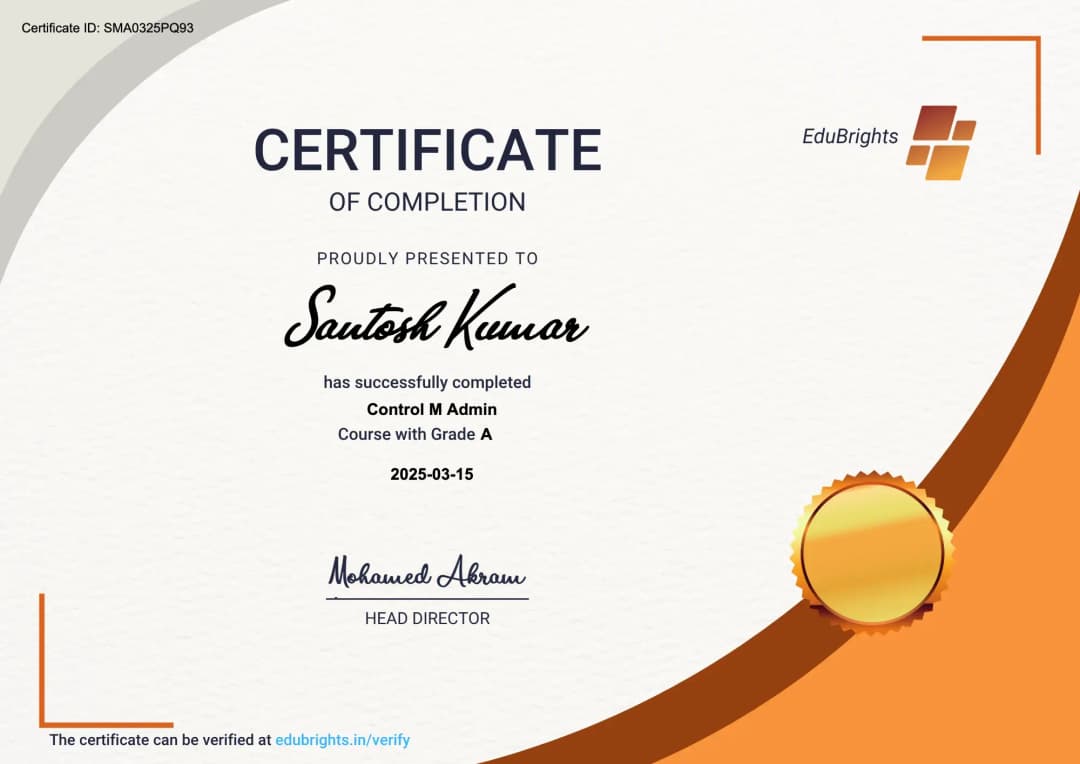
About Our Course Certification*
The SAP Business Integrity Screening Professional Certification validates your knowledge of fraud detection, compliance monitoring, risk assessment, and alert management using SAP solutions. It demonstrates your ability to identify suspicious business activities and support organizational governance. This certification can help you build a career in compliance, risk management, fraud prevention, and SAP consulting.
Course FAQs
1. What is SAP Business Integrity Screening?
SAP Business Integrity Screening (BIS) is an SAP solution used to identify suspicious business activities, fraud patterns, anomalies, and compliance risks. It supports screening, risk analysis, alert generation, investigation, and monitoring processes.
2. What are the main use cases of SAP Business Integrity Screening?
SAP BIS can be used for fraud detection, anomaly detection, compliance monitoring, transaction screening, and business-process risk control. Common scenarios include accounts payable fraud, duplicate payments, vendor manipulation, ghost employees, and expense fraud.
3. What is the architecture of SAP Business Integrity Screening?
BIS architecture includes components for data extraction, screening, rule processing, risk evaluation, alert management, investigation, reporting, and monitoring. It can integrate with SAP ECC, SAP S/4HANA, and non-SAP systems.
4. What are the main components of a BIS system?
A BIS landscape can include server and client components, data-extraction mechanisms, screening rules, risk-scoring functionality, alert management, investigation capabilities, reporting, and monitoring components. User management and authorization are also important parts of the system.
5. How does SAP BIS integrate with SAP ECC?
SAP BIS can extract relevant business information from SAP ECC for screening and analysis. Financial, procurement, HR, and other business data can be evaluated against configured screening rules.
6. How does SAP BIS integrate with SAP S/4HANA?
SAP BIS can use data from SAP S/4HANA to identify suspicious transactions and business activities. Integration can support financial fraud detection, procurement monitoring, compliance screening, and other integrity-management scenarios.
7. How can SAP BIS integrate with non-SAP systems?
Non-SAP data sources can be connected to BIS when external information is required for screening or risk analysis. This allows organizations to combine SAP business information with relevant third-party datasets.
8. What is the BIS data model?
The BIS data model defines how information used for screening is structured and represented within the solution. Understanding the data model helps configure data extraction, screening rules, risk analysis, and investigation processes.
9. What is data extraction in SAP Business Integrity Screening?
Data extraction transfers relevant business information from source systems into the BIS environment for screening. Extracted information can include financial transactions, procurement records, HR information, and other data required by detection scenarios.
10. What types of financial data can SAP BIS screen?
SAP BIS can screen financial information from areas such as Accounts Payable, Accounts Receivable, General Ledger, and procurement. These datasets can be analyzed for unusual transactions, duplicate payments, suspicious vendors, and other risk indicators.
11. How is HR data used in SAP Business Integrity Screening?
HR data can be used to identify patterns associated with employee-related fraud. For example, screening can support ghost-employee detection by comparing employee information with financial or organizational data.
12. What are screening rules in SAP BIS?
Screening rules define the conditions used to identify potentially suspicious business activities. Rules can evaluate transaction attributes, master data, thresholds, relationships, and other indicators to generate alerts.
13. What is the pre-built screening rules library?
The pre-built screening rules library provides predefined detection logic for common fraud and compliance scenarios. These rules can provide a starting point before organizations configure additional business-specific screening requirements.
14. How are custom screening rules created in SAP BIS?
Custom screening rules can be created to address organization-specific fraud and compliance requirements. SAP BIS training covers custom rule creation using BRF+, along with rule strategy configuration and validation.
15. What is BRF+ in SAP Business Integrity Screening?
BRF+ (Business Rule Framework plus) is an SAP framework used to define and manage business rules. In BIS, it can be used to create customized screening logic and decision conditions for fraud and integrity scenarios.
16. What is rule strategy configuration in SAP BIS?
Rule strategy configuration determines how different screening rules are organized and executed for a particular detection scenario. It helps structure the logic used to evaluate transactions and identify potential risks.
17. What is risk scoring in SAP Business Integrity Screening?
Risk scoring assigns a risk value or classification based on configured detection criteria and rule results. Higher-risk activities can then be prioritized for investigation or additional review.
18. How are BIS screening rules tested and validated?
Screening rules should be tested against representative business data to verify that the intended conditions are detected correctly. Validation helps identify incorrect logic, missing conditions, and excessive false positives before production use.
19. What is real-time data processing in SAP BIS?
Real-time processing evaluates relevant information as business transactions or events occur, depending on the configured architecture and integration. It can help organizations identify suspicious activities quickly.
20. What is batch processing in SAP Business Integrity Screening?
Batch processing evaluates data in scheduled or periodic processing runs. It is useful when large volumes of transactions need to be screened according to defined schedules.
21. What is accounts payable fraud detection in SAP BIS?
Accounts payable fraud detection analyzes supplier and payment-related information for suspicious patterns. Examples include duplicate payments, unusual payment behavior, and vendor-master manipulation.
22. How does SAP BIS detect duplicate payments?
Duplicate payment screening can compare attributes such as vendor, amount, invoice information, dates, and other configured transaction characteristics. Potential duplicates can generate alerts for further investigation.
23. What is ghost employee detection?
Ghost employee detection identifies potentially fictitious or unauthorized employees by analyzing HR and related business data. Screening can identify unusual employee records or relationships that may require investigation.
24. How does SAP BIS detect vendor master manipulation?
Vendor master screening evaluates changes or characteristics of supplier records that may indicate suspicious activity. It can help identify unusual vendor information, relationships, or transactions requiring investigation.
25. What is expense report fraud detection?
Expense report fraud detection analyzes employee expense claims for suspicious patterns or policy violations. Rules can identify unusual amounts, duplicate claims, abnormal frequencies, or other configured risk indicators.
26. What is alert management in SAP BIS?
Alert management handles alerts generated when screening rules identify potentially suspicious activity. It includes alert generation, prioritization, assignment, investigation, evidence management, resolution, and sign-off.
27. How are alerts prioritized in SAP Business Integrity Screening?
Alerts can be prioritized according to configured risk scores, thresholds, rule results, and other business criteria. Prioritization helps investigators focus on higher-risk cases.
28. How are BIS alerts assigned to investigators?
Alerts can be assigned to appropriate investigators according to organizational workflows and configured responsibilities. Assignment supports structured investigation and accountability for resolving potential risks.
29. What is the investigation workflow in SAP BIS?
The investigation workflow provides a structured process for reviewing alerts, collecting evidence, documenting findings, and resolving suspicious activities. It helps standardize how investigators handle potential fraud cases.
30. How is evidence managed in SAP Business Integrity Screening?
Evidence management allows investigators to collect and maintain information supporting an investigation. Evidence and attachments can be associated with alerts or cases to provide documentation for analysis and review.
31. What is case management in SAP BIS?
Case management organizes investigations into structured cases containing relevant alerts, documentation, evidence, activities, and results. It provides a controlled framework for managing investigations from initiation through closure.
32. How does SAP BIS support investigation documentation?
Investigators can document observations, evidence, analysis, decisions, and investigation results within the relevant workflow. Structured documentation helps maintain an audit trail and supports reporting and review.
33. How can SAP BIS support collaboration with legal and HR teams?
BIS investigations may require information or participation from functions such as legal, HR, finance, procurement, and compliance. Case-management processes can support the sharing and documentation of relevant investigation information according to configured access controls.
34. What is case closure in SAP Business Integrity Screening?
Case closure occurs after an investigation reaches a defined conclusion and required activities have been completed. Closure information can be retained for reporting, audit, and future analysis.
35. What are fraud risk dashboards in SAP BIS?
Fraud risk dashboards provide visual views of fraud-related indicators, alerts, investigation status, and risk trends. They help management and investigators monitor the integrity-risk landscape.
36. What is alert trend analysis?
Alert trend analysis examines alert volumes, categories, risk levels, and changes over time. It can help organizations identify recurring patterns and evaluate screening effectiveness.
37. What is false-positive monitoring in SAP BIS?
False-positive monitoring evaluates how many generated alerts do not represent genuine risks after investigation. Monitoring this rate can help organizations refine screening rules and improve detection efficiency.
38. What is continuous monitoring in SAP Business Integrity Screening?
Continuous monitoring involves regularly or continuously screening business activities for potential risks. BIS supports scheduling, automation, real-time monitoring capabilities, and threshold-based alerting according to the configured environment.
39. What is threshold-based alerting?
Threshold-based alerting generates an alert when a transaction or activity meets a configured threshold condition. Thresholds can be based on values, frequencies, risk scores, or other business-specific criteria.
40. How can SAP BIS integrate with SIEM systems?
BIS can be integrated with Security Information and Event Management (SIEM) environments as part of a broader monitoring architecture. This can help correlate integrity-related information with security and event-monitoring data.
41. How is performance optimized for large data volumes in SAP BIS?
Performance optimization involves appropriate data-processing strategies, efficient rule design, suitable scheduling, and system-level tuning. Large-volume screening environments require careful consideration of processing loads, data extraction, and rule execution.
42. How does SAP BIS support anti-bribery and corruption screening?
BIS can support Anti-Bribery and Corruption (ABC) screening by applying configured rules to business transactions and relevant master data. Potentially suspicious activities can be identified and routed for investigation.
43. How can SAP BIS support anti-money laundering scenarios?
SAP BIS can be configured to identify transaction patterns and activities associated with potential money-laundering risks. Screening rules, risk scoring, alerts, and investigations can form part of the overall monitoring process.
44. What is FCPA compliance screening in SAP BIS?
The Foreign Corrupt Practices Act (FCPA) includes requirements related to anti-bribery and accounting practices. SAP BIS can support screening and monitoring processes designed around an organization's FCPA compliance requirements.
45. How can SAP BIS support UK Bribery Act compliance?
BIS can be used to identify transactions or business activities that may require review under an organization's anti-bribery controls. Screening rules and investigation workflows can support compliance-monitoring processes aligned with applicable requirements.
46. How does SAP BIS support regulatory audit activities?
BIS provides screening, investigation, evidence, case documentation, and reporting capabilities that can support audit and compliance activities. Structured investigation records can help organizations document how potential risks were identified and addressed.
47. How is AI used in SAP Business Integrity Screening?
AI-driven anomaly detection can support the identification of unusual patterns that may not be easily detected through traditional fixed rules. The Chennai course curriculum covers AI-driven anomaly detection as part of BIS integration with SAP S/4HANA and SAP BTP.
48. How does SAP Business Integrity Screening integrate with SAP BTP?
SAP BIS can participate in cloud-based integrity-screening architectures using SAP BTP capabilities. The curriculum covers cloud-based integrity screening, AI-driven anomaly detection, and integration with SAP Analytics Cloud.
49. What practical projects are covered in SAP Business Integrity Screening training in Chennai?
The Edubrights course page lists projects including Financial Fraud Detection System, Vendor Risk Monitoring Process, Compliance Violation Detection, Employee Expense Fraud Analysis, and Automated Risk Alert Management. The curriculum also covers AP fraud detection, HR ghost-employee screening, and an end-to-end BIS implementation case study.
50. What technical skills can I gain from SAP Business Integrity Screening training in Chennai?
Learners can develop skills in BIS architecture, data extraction, data modeling, BRF+ rule configuration, risk scoring, transaction monitoring, fraud detection, alert management, case management, investigation workflows, evidence handling, compliance screening, continuous monitoring, analytics, SIEM integration, S/4HANA integration, BTP integration, and AI-based anomaly detection. These areas follow the technical modules published on the Edubrights course page.
Get Training Quote for Free
Testimonials
Hear What Our Students Say
"Transform your life through Education, hear it from our Alumni"

8 LPA
Rahul
Student
Data Scientist
"Transform your life through Education, hear it from our Alumni"

6 LPA
Fathima
Student
Software Engineer
"Transform your life through Education, hear it from our Alumni"

8 LPA
Siddharth
NIELSON IQ
Data Analyst
