Course Objectives
1. Why should I learn Network Security & Firewalls?
Network Security and Firewalls are essential for protecting enterprise networks from cyber threats, unauthorized access, malware, and data breaches. Learning these technologies prepares you for careers in cybersecurity, network administration, and IT infrastructure security.
2. How will this Network Security & Firewalls course improve my cybersecurity skills?
This course provides hands-on training in firewall configuration, network security policies, access control, intrusion prevention, VPN implementation, and threat mitigation using enterprise security practices.
3. Is this Network Security & Firewalls training suitable for beginners?
Yes. The course starts with networking and security fundamentals before progressing to firewall technologies, security protocols, VPNs, IDS/IPS, access control, and enterprise network protection.
4. What practical experience will I gain during this course?
You will configure firewalls, secure enterprise networks, implement VPN connectivity, monitor network traffic, enforce security policies, identify cyber threats, and troubleshoot security incidents through real-world lab exercises.
5. How does this course help me build a cybersecurity career?
The training focuses on practical security implementation, enterprise firewall management, threat analysis, network monitoring, and real-time projects, preparing you for Network Security Engineer, Firewall Administrator, SOC Analyst, and Cybersecurity Analyst roles.
Popular Techniques Covered in This Course
1.Network Security & Firewalls
2.Network security fundamentals
3.Firewall types and configurations
4.Access control and policies
5.IDS/IPS concepts
6.VPN technology and setup
7.Network traffic analysis
8.Troubleshooting and updates
9.Compliance standards
10.Security monitoring and logging
Get Hands-on Knowledge about Real-Time Projects
Project 1
1. Enterprise Firewall Deployment & Security Policy Management
Design and configure a secure enterprise firewall environment by implementing access control policies, traffic filtering rules, network segmentation, and secure internet access for multiple business departments.
Project 2
2. Corporate VPN Infrastructure Implementation
Build a secure Virtual Private Network (VPN) solution that enables remote employees and branch offices to connect safely to corporate resources while maintaining data confidentiality and integrity.
Project 3
3. Intrusion Detection & Network Threat Monitoring System
Develop a centralized security monitoring solution that analyzes network traffic, detects intrusion attempts, generates real-time alerts, and supports incident response for enterprise networks.
Project 4
4. Multi-Branch Network Security Architecture
Create a secure network infrastructure connecting multiple branch offices by configuring firewalls, secure routing, VPN tunnels, and access control mechanisms to ensure protected communication across locations.
Project 5
5. Enterprise Security Audit & Firewall Optimization Platform
Perform a comprehensive security assessment by evaluating firewall configurations, reviewing security policies, identifying vulnerabilities, optimizing firewall performance, and generating compliance-ready security reports.
Key Features
Edubrights offers Network Security & Firewalls Training in virtual mode with expert trainers. Here are the key features.
40 Hours Course Duration
100% Job Oriented Training
Industry Expert Faculties
Free Demo Class Available
Completed 500+ Batches
Certification Guidance
Curriculum
Module 1: Introduction to Network Security
- Core network security concepts
- Types of cyber threats and vulnerabilities
Module 2: Firewall Technologies
- Types of firewalls: packet filtering, stateful, next-gen
- Firewall deployment strategies
Module 3: Firewall Configuration and Management
- Designing firewall policies and access control lists
- Rule sets and traffic filtering
Module 4: Intrusion Detection and Prevention Systems (IDS/IPS)
- IDS vs IPS fundamentals
- Deploying and tuning IDS/IPS
Module 5: Virtual Private Networks (VPNs)
- VPN concepts and protocols
- Secure remote access implementation
Module 6: Network Monitoring and Traffic Analysis
- Packet capturing and analysis tools
- Log management and anomaly detection
Module 7: Firewall Troubleshooting and Best Practices
- Diagnosing firewall issues
- Security best practices and updates
Module 8: Compliance and Network Security Standards
- Industry regulations and compliance
- Policy development and auditing
Module 9: Practical Labs and Case Studies
- Hands-on firewall setup and configuration
- Real-world network defense scenarios
Receive Training From Our Skilled and Effective Trainers
Experience in the Industry Gain knowledge from experts with practical Network Security & Firewalls project experience in a variety of sectors.
Backgrounds at the Top Prominent corporations such as HCL, TCS, Accenture, and Cognizant employ trainers.
Clear & Effective Teaching Excellent communication and real-world examples simplify complex subjects.
Hands-On Learning Focus Students can apply their abilities in real-world situations with the use of case studies and real-time projects.
Up-to-Date Knowledge Trainers stay current with the latest tools, techniques and best practices.
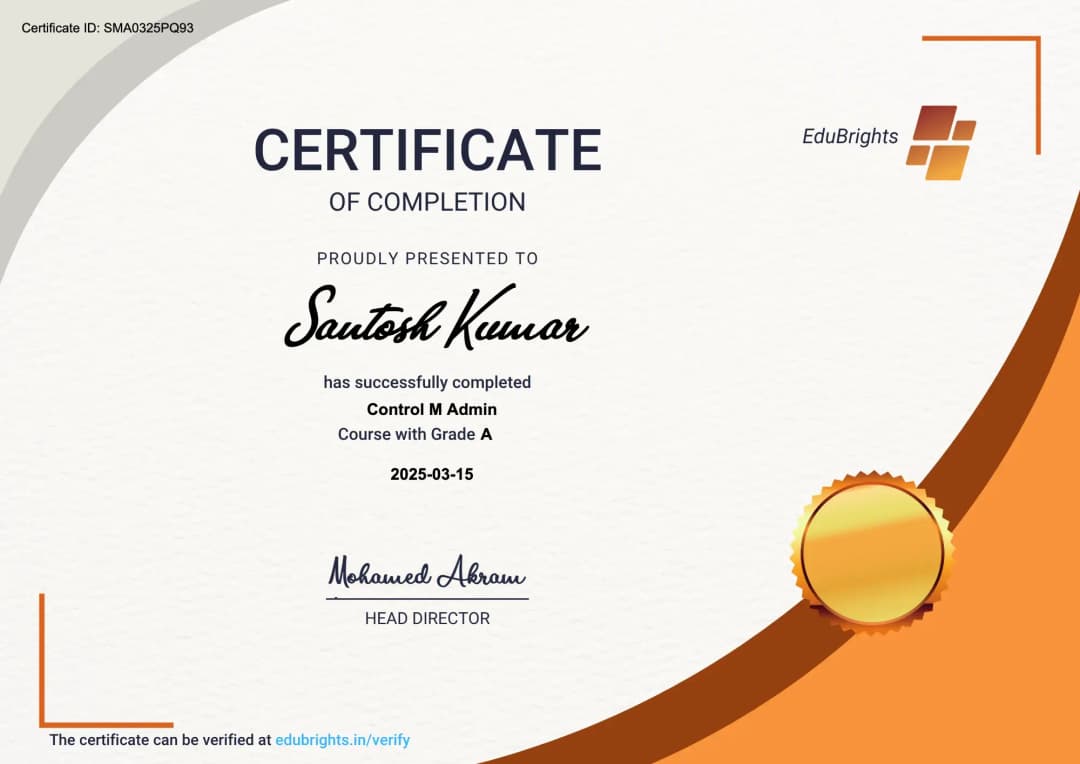
Network Security & Firewalls Professional Certification
Successfully completing the Network Security & Firewalls course validates your expertise in protecting enterprise networks through firewall administration, VPN implementation, access control management, intrusion detection, traffic analysis, and security policy enforcement.
Course FAQs
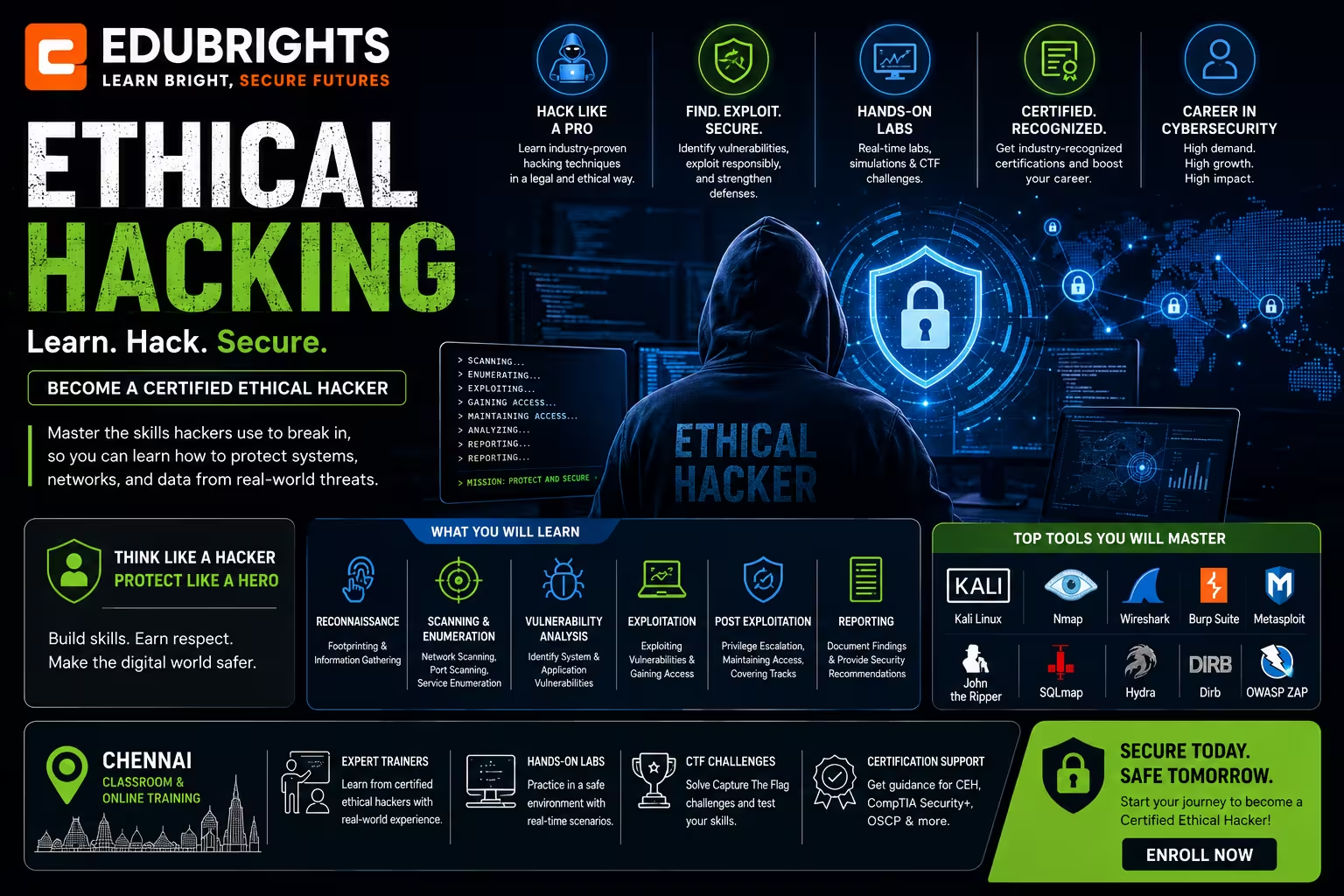
1. What is Ethical Hacking?
Ethical hacking is the authorized process of identifying and fixing security vulnerabilities in computer systems, networks, and applications to prevent cyberattacks and data breaches. It contrasts with malicious hacking by operating legally and with consent
2. What are the five stages of Ethical Hacking?
The five stages are Reconnaissance (information gathering), Scanning (identifying vulnerabilities), Gaining Access (exploiting weaknesses), Maintaining Access (persistence), and Covering Tracks (erasing evidence). These phases form the core penetration testing methodology
3. What is an IDS?
An Intrusion Detection System monitors network traffic for suspicious activity.
4. How does an IPS differ?
An Intrusion Prevention System actively blocks detected threats.
5. What is the role of VPNs?
Create encrypted tunnels for secure remote communication.
6. Can firewalls protect against all threats?
While essential, firewalls are part of a multi-layered security approach.
7. Are hands-on exercises included?
Yes, practical labs are integral to learning.
8. What skills will I gain?
Firewall configuration, network monitoring, IDS/IPS deployment.
9. How often should firewall policies be reviewed?
Regularly, to adapt to new security challenges.
10. What is the purpose of a firewall?
To control access between networks and prevent unauthorized traffic.
11. How are firewalls classified?
Packet filtering, stateful, proxy, and next-generation firewalls.
12. Can this course help with certifications?
Yes, it provides a foundation for certifications like Cisco CCNA Security.
13. Will I receive placement assistance?
Yes. Resume preparation, interview coaching, mock interviews, and placement guidance are included.
14. What job roles can I apply for after completing this course?
You can apply for Network Security Engineer, Firewall Administrator, Security Analyst, SOC Analyst, Infrastructure Security Engineer, and Network Administrator positions.
15. Why are firewalls important in enterprise security?
Firewalls provide the first line of defense by filtering malicious traffic, enforcing security policies, protecting sensitive data, and preventing unauthorized access to enterprise networks.
Get Training Quote for Free
Testimonials
Hear What Our Students Say
"Transform your life through Education, hear it from our Alumni"

6 LPA
Fathima
Student
Software Engineer
"Transform your life through Education, hear it from our Alumni"

8 LPA
Siddharth
NIELSON IQ
Data Analyst
"Transform your life through Education, hear it from our Alumni"

8 LPA
Rahul
Student
Data Scientist