Course Objectives
1. What exactly Malware Analysis & Reverse Engineering training cover?
This training covers techniques for dissecting malware to understand its behavior, origin, and impact, and methods to reverse engineer software for security analysis.
2. What are the main objectives of the Malware Analysis & Reverse Engineering course for my development skills ?
To build expertise in identifying malware characteristics, analyzing code, extracting indicators of compromise, and developing mitigation strategies.
Popular Techniques Covered in This Course
1.Malware types and functions
2.Static code analysis
3.Dynamic behavior analysis
4.Debugging and disassembly
5.Code obfuscation techniques
6.Network traffic forensics
7.Memory analysis
8.Malware detection strategies
9.Anti-debugging and evasion methods
10.Reporting and documentation
Get Hands-on Knowledge about Real-Time Projects
Project 1
1. Static and Dynamic Malware Analysis
- Analyze a sample malware binary both statically and dynamically - Document behavior and infection mechanisms
Project 2
2. Reverse Engineering a Suspicious Executable
- Disassemble and interpret unknown binary code - Extract useful information and indicators
Key Features
Edubrights offers Malware Analysis & Reverse Engineering Training in virtual mode with expert trainers. Here are the key features.
40 Hours Course Duration
100% Job Oriented Training
Industry Expert Faculties
Free Demo Class Available
Completed 500+ Batches
Certification Guidance
Curriculum
Module 1: Introduction to Malware and Reverse Engineering
- Overview of malware types and threats
- Fundamentals of reverse engineering
Module 2: Static Analysis Techniques
- Disassembling and decompiling binaries
- Using tools like IDA Pro and Ghidra
Module 3: Dynamic Analysis Techniques
- Sandboxing and behavior analysis
- Debugging malware in controlled environments
Module 4: Malware Detection and Classification
- Signature-based and heuristic detection
- Behavioral patterns and anomaly detection
Module 5: Advanced Reverse Engineering
- Code obfuscation and unpacking techniques
- Analyzing packed and encrypted malware
Module 6: Network and Memory Forensics
- Network traffic analysis for malware communication
- Memory dump analysis
Module 7: Anti-Analysis Techniques and Evasion
- Understanding and bypassing anti-debugging and anti-VM mechanisms
Module 8: Reporting and Mitigation Strategies
- Documenting analysis results
- Developing actionable recommendations
Module 9: Tools and Automation in Malware Analysis
- Using automated malware analysis platforms
- Scripting and tool customization
Module 10: Hands-on Labs and Real-World Case Studies
- Practical malware dissection
- Incident simulation and response
Receive Training From Our Skilled and Effective Trainers
Experience in the Industry Gain knowledge from experts with practical Malware Analysis & Reverse Engineering project experience in a variety of sectors.
Backgrounds at the Top Prominent corporations such as hcl, tcs , accenture and cognizant employ trainers.
Clear & Effective Teaching Excellent communication and real-world examples simplify complex subjects.
Hands-On Learning Focus Students can apply their abilities in real-world situations with the use of case studies and real-time projects.
Up-to-Date Knowledge Trainers stay current with the latest tools, techniques, and best practices.
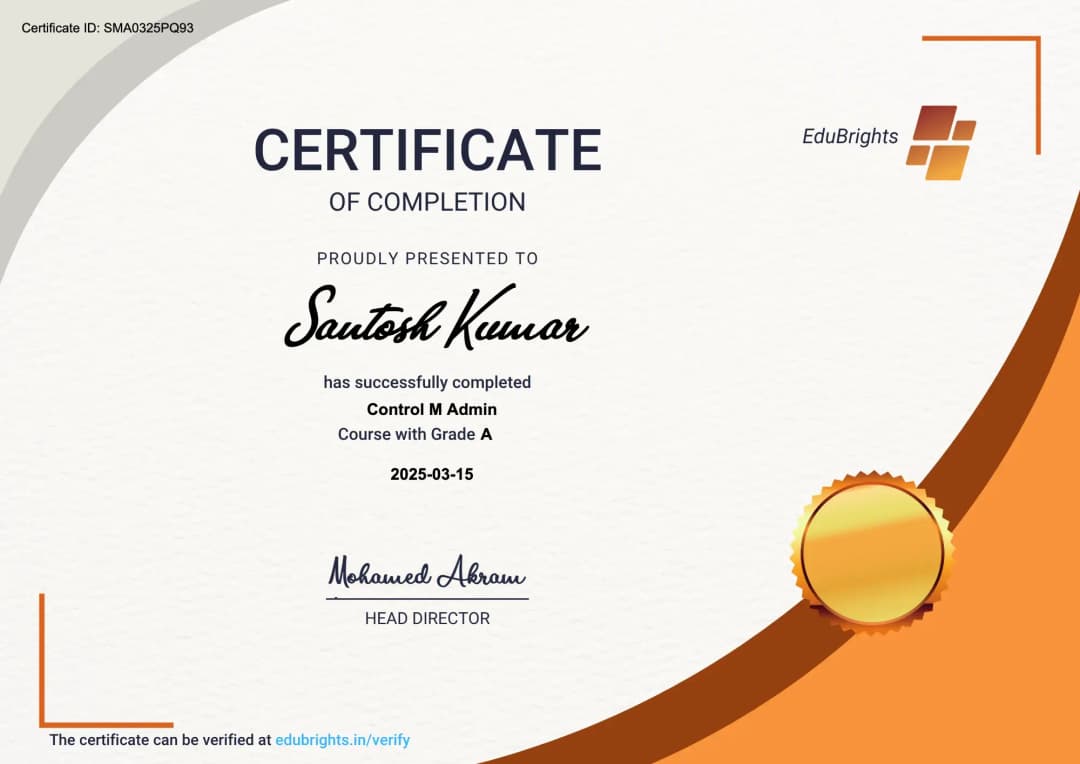
Succeed Our Resourceful Certification
Our certification confirms your proficiency in dissecting and understanding malware through reverse engineering techniques. Acquire practical skills to detect threats and support incident response. Perfect for cybersecurity professionals seeking specialization in threat analysis.
Course FAQs
1. What is malware analysis?
The process of studying malware to understand how it works.
2. Why is reverse engineering important?
It helps in identifying hidden malware functionality and developing defenses.
3. What tools are used in this field?
IDA Pro, Ghidra, OllyDbg, and sandbox environments.
4. What is the difference between static and dynamic analysis?
Static involves examining code without execution; dynamic involves running malware safely.
5. Can this skill help in incident response?
Yes, it aids in understanding and mitigating attacks.
6. What are anti-analysis techniques?
Methods malware uses to avoid detection and analysis.
7. Is prior programming knowledge required?
Basic knowledge of assembly and C/C++ is helpful.
8. Are labs part of the course?
Yes, hands-on practice is included.
9. What industries need these skills?
Cybersecurity firms, government, finance, and tech sectors.
10. What certifications relate to this training?
GREM, CEH, and other specialized malware analysis credentials.
Get Training Quote for Free
Testimonials
Hear What Our Students Say
"Transform your life through Education, hear it from our Alumni"

6 LPA
Fathima
Student
Software Engineer