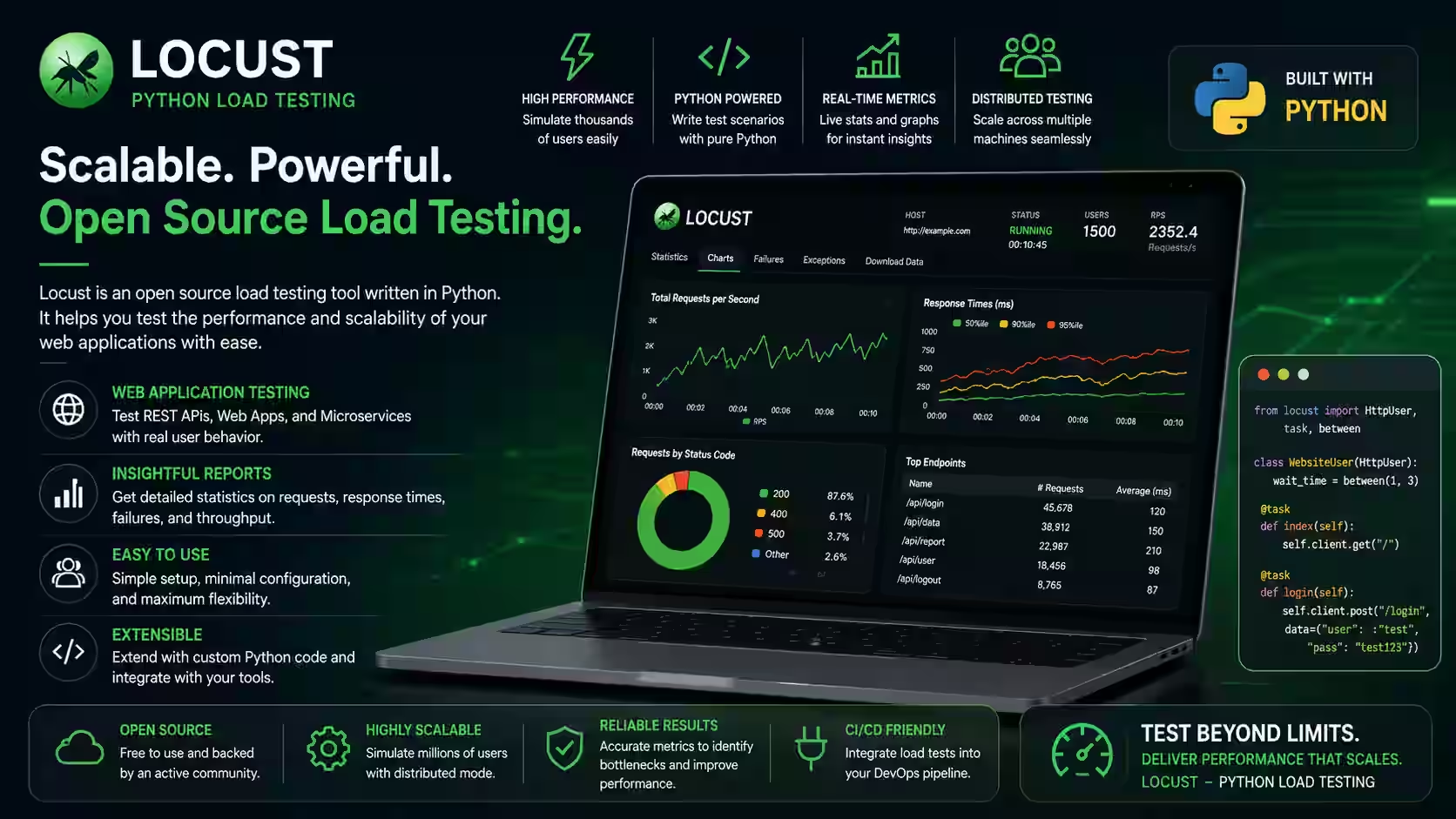
Course Objectives
1. What is the objective of the Locust – Python Load Testing course?
This course is designed to help learners master performance and load testing using Locust, an open-source Python-based framework. You will learn to create scalable load tests, simulate thousands of concurrent users, analyze application performance, identify bottlenecks, and improve system reliability for web applications and APIs. Locust enables developers to define test scenarios using standard Python code and supports distributed load generation.
2. Who should enroll in this Locust – Python Load Testing course?
This course is ideal for students, freshers, QA Engineers, Automation Testers, Performance Test Engineers, Python Developers, DevOps Engineers, SDETs, Software Developers, and IT professionals who want to specialize in performance testing.
3. What practical skills will I gain from this training?
You will learn Python scripting for load testing, Locust framework development, API performance testing, web application load testing, distributed testing, CI/CD integration, performance monitoring, test result analysis, bottleneck identification, and reporting.
4. Does this course include real-time projects?
Yes. The course includes hands-on labs, enterprise web application testing, REST API performance testing, cloud-based load testing, CI/CD automation, and real-world performance engineering projects.
5. How will this course help my career?
After completing this course, you can pursue careers as a Performance Test Engineer, QA Automation Engineer, Python Test Automation Engineer, SDET, Performance Engineer, DevOps Engineer, Software Test Engineer, or Quality Assurance Consultant.
Popular Techniques Covered in This Course
Python Programming for Performance Testing
Locust Framework Development
Web Application Load Testing
REST API Performance Testing
Stress & Spike Testing
Distributed Load Testing
Performance Metrics Analysis
Performance Test Script Development
CI/CD Integration with Locust
Test Reporting & Optimization
Get Hands-on Knowledge about Real-Time Projects
Project 1
1. E-Commerce Website Load Testing
Develop a performance testing solution to simulate thousands of users performing product searches, shopping cart operations, checkout, and payment transactions.
Project 2
2. REST API Performance Testing
Build automated load tests for authentication APIs, user management services, payment APIs, and microservices to measure response times and scalability.
Project 3
3. Banking Application Stress Testing
Create stress testing scenarios for online banking features such as login, account balance inquiries, fund transfers, and transaction history.
Project 4
4. Cloud-Based SaaS Performance Testing
Perform distributed load testing on a SaaS application to evaluate scalability, concurrent user handling, and system stability under peak traffic.
Project 5
5. CI/CD Performance Testing Pipeline
Integrate Locust with Jenkins or GitHub Actions to execute automated performance tests during software deployment and generate performance reports.
Key Features
Edubrights offers ALocust – Python Load Testing Training in virtual mode with expert trainers. Here are the key features,
40 Hours Course Duration
100% Job Oriented Training
Industry Expert Faculties
Free Demo Class Available
Completed 500+ Batches
Certification Guidance
Curriculum
Module 1: Introduction to Locust
- Python-native load testing philosophy
- Locust vs JMeter vs k6: Python team choice
- pip install locust and requirements setup
- First locustfile.py: User class and tasks
- Web UI and headless execution modes
- Execution model: users, spawn rate, run time
Module 2: Task Design & User Behaviour
- @task decorator and task weights
- TaskSet for logical task groupings
- Nested TaskSets for complex user journeys
- on_start and on_stop lifecycle methods
- wait_time: between, constant, constant_pacing
- Realistic user behaviour modelling patterns
Module 3: HTTP Testing with Locust
- HttpUser and self.client HTTP methods
- catch_response for custom success/failure logic
- Request naming for reporting grouping
- Session and cookie management
- JSON and form data in request bodies
- Response validation patterns
Module 4: Authentication & Sessions
- Cookie-based authentication
- Token-based auth: JWT retrieval and reuse
- OAuth 2.0 client credentials flow
- Session pooling for efficiency
- Token expiry and automatic refresh
- API key authentication patterns
Module 5: Custom Clients & Protocols
- Custom User classes for non-HTTP protocols
- gRPC load testing with Locust
- WebSocket testing with websocket-client
- Database load testing with SQLAlchemy
- Message queue testing: RabbitMQ and Kafka
- Reusable custom Locust client base classes
Module 6: Test Data & Parameterisation
- CSV data reading for parameterised tests
- JSON fixture files for data injection
- Thread-safe shared data pools across users
- Faker library for dynamic data generation
- Database-driven test data sources
- Environment-based configuration management
Module 7: Distributed Execution & Scaling
- Locust master-worker process architecture
- Docker Compose for local distributed setup
- Kubernetes Locust deployment
- locust-k8s-operator for cloud-native scaling
- User-per-worker capacity planning
- Worker failure handling in distributed runs
Module 8: Reporting, CI/CD & Advanced
- CSV output: response time and request stats
- HTML report generation
- Custom event hooks and plugins
- GitHub Actions performance gates
- Grafana and InfluxDB real-time metrics
- locust-plugins for extended functionality
Receive Training From Our Skilled and Effective Trainers
Our Locust instructors are Python engineers who have built Locust frameworks for API-heavy platforms and microservices backends. They teach Locust as a Python project — leveraging Faker, SQLAlchemy, and asyncio — and have deployed distributed Locust in Docker and Kubernetes for cloud-scale performance validation.
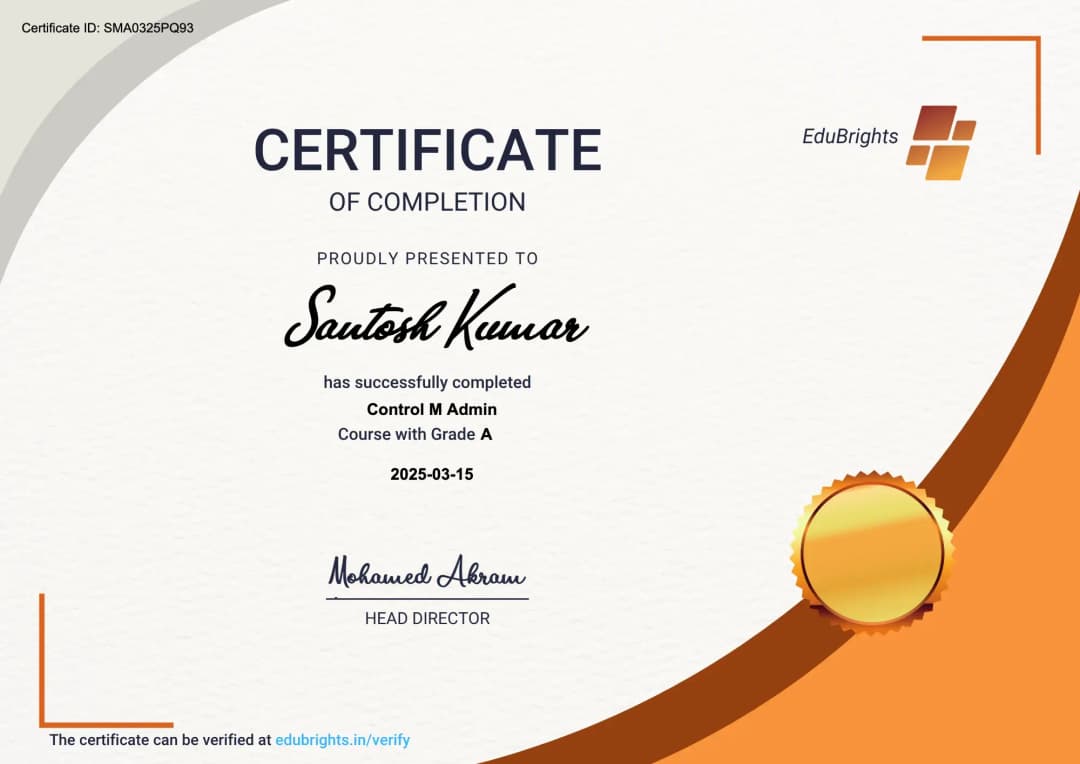
Become a Certified Locust – Python Load Testing Professional
Validate your expertise in Python-based performance testing, load testing, stress testing, API testing, distributed load generation, performance analysis, and CI/CD automation using Locust.
Course FAQs
1. What is Locust?
Locust is an open-source, Python-based load testing framework used to simulate thousands of concurrent users and evaluate the performance of web applications, APIs, and distributed systems.
2. Why should I learn Locust?
Locust allows you to write performance tests in Python, making test scripts flexible, maintainable, and suitable for modern DevOps and Agile environments.
3. Is this course suitable for beginners?
Yes. The course starts with performance testing fundamentals and gradually introduces Python scripting and advanced Locust features.
4. Do I need Python knowledge?
Basic Python knowledge is helpful, but the required Python concepts are covered during the training.
5. What types of testing can I perform with Locust?
You can perform load testing, stress testing, spike testing, endurance testing, API performance testing, and scalability testing.
6. Can Locust test REST APIs?
Yes. Locust is widely used for REST API load testing, authentication workflows, and microservices performance validation.
7. Does Locust support distributed load testing?
Yes. Locust supports distributed execution, allowing multiple worker nodes to generate high volumes of concurrent virtual users.
8. Will I learn CI/CD integration?
Yes. You'll integrate Locust with Jenkins, GitHub Actions, GitLab CI, Azure DevOps, and Docker-based pipelines.
9. Can Locust test cloud applications?
Yes. Locust is suitable for testing cloud-native applications, microservices, SaaS platforms, and enterprise web applications.
10. Will I learn performance analysis?
Yes. You'll analyze response times, throughput, error rates, latency, and resource utilization to identify system bottlenecks.
11. What industries use Locust?
IT Services, Banking, Healthcare, Retail, E-commerce, Telecommunications, SaaS, Insurance, Logistics, and Cloud Computing companies.
12. What job roles can I apply for after this course?
You can apply for Performance Test Engineer, QA Automation Engineer, SDET, Python Automation Engineer, DevOps Engineer, Software Test Engineer, and Performance Analyst roles.
13. Does the course include placement assistance?
Yes. We provide resume preparation, interview guidance, mock interviews, career mentoring, and placement support.
14. Are practical labs included?
Yes. Every module includes coding exercises, performance testing labs, API testing assignments, and enterprise-level projects.
15. Why choose this Locust – Python Load Testing course in Chennai?
Our training features experienced trainers, hands-on labs, live projects, interview preparation, certification guidance, and placement assistance to help you build a successful career in performance testing.
Get Training Quote for Free
Testimonials
Hear What Our Students Say
"Transform your life through Education, hear it from our Alumni"

6 LPA
Fathima
Student
Software Engineer
"Transform your life through Education, hear it from our Alumni"

8 LPA
Rahul
Student
Data Scientist