Course Objectives
1. What will you learn in the Kubernetes course?
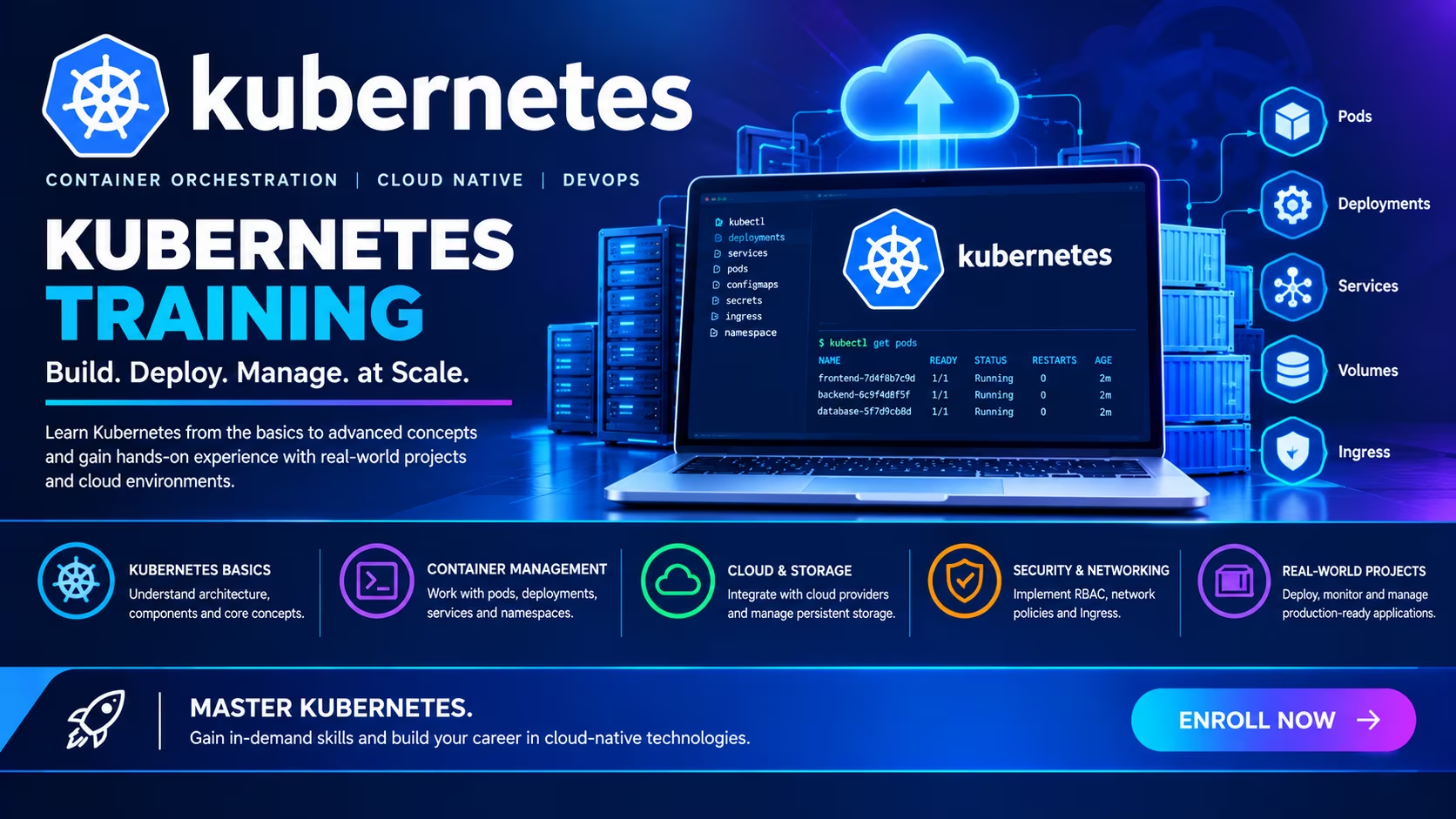
You will learn how to deploy, manage, scale, and orchestrate containerized applications using Kubernetes. The course covers Kubernetes architecture, clusters, Pods, Deployments, Services, ReplicaSets, ConfigMaps, Secrets, Volumes, Ingress, Helm, networking, monitoring, security, and Kubernetes administration for cloud-native applications.
2. How does this course prepare you for real-world Kubernetes projects?
The course provides hands-on experience in deploying microservices, managing Kubernetes clusters, implementing rolling updates, configuring networking, securing workloads, monitoring applications, and automating container orchestration in cloud environments.
3. What practical skills will you develop during the training?
You will gain expertise in Kubernetes cluster setup, container orchestration, Pod management, Deployments, Services, StatefulSets, ConfigMaps, Secrets, Persistent Volumes, Helm charts, Ingress Controllers, autoscaling, monitoring, troubleshooting, and Kubernetes security.
4. How will real-time projects improve your Kubernetes skills?
You will work on practical projects involving cloud-native application deployment, microservices orchestration, CI/CD integration, Kubernetes monitoring, high availability, and production-ready container management.
5. What career opportunities can you pursue after learning Kubernetes?
This course prepares you for roles such as Kubernetes Administrator, DevOps Engineer, Cloud Engineer, Platform Engineer, Site Reliability Engineer (SRE), Cloud Infrastructure Engineer, Container Platform Engineer, DevSecOps Engineer, Kubernetes Consultant, and Solutions Architect.
Popular Techniques Covered in This Course
1.Kubernetes architecture and components
2.Pod lifecycle and management
3.Deployment strategies and replica sets
4.Service networking and load balancing
5.Persistent storage and volume management
6.Configuration and secrets management
7.Scheduling and resource constraints
8.Security practices: RBAC, network policies
9.Monitoring and logging tools
10.Helm chart development
11.Cluster maintenance and troubleshooting
12.Soft Skills
Get Hands-on Knowledge about Real-Time Projects
Project 1
Project 1: Microservices Application Deployment
Deploy a containerized microservices application using Kubernetes with load balancing, service discovery, and rolling updates.
Project 2
Project 2: Kubernetes CI/CD Pipeline
Integrate Kubernetes with Jenkins or GitHub Actions to automate application deployment, testing, and rolling releases.
Project 3
Project 3: High Availability Web Application
Configure Kubernetes clusters with multiple replicas, health checks, autoscaling, and failover for high availability.
Project 4
Project 4: Monitoring and Logging Platform
Deploy Prometheus and Grafana to monitor Kubernetes clusters, visualize metrics, configure alerts, and analyze application performance.
Project 5
Project 5: Production Kubernetes Cluster
Build and manage a production-ready Kubernetes environment with RBAC, Secrets, Persistent Volumes, Ingress, Helm, and automated scaling.
Key Features
Edubrights offers Kubernetes Training in virtual mode with expert trainers. Here are the key features,
40 Hours Course Duration
100% Job Oriented Training
Industry Expert Faculties
Free Demo Class Available
Completed 500+ Batches
Certification Guidance
Curriculum
Module 1: Introduction to Kubernetes
- Overview of Kubernetes and container orchestration
- Kubernetes architecture: Control plane and nodes
- Installation using Minikube and kubeadm
Module 2: Kubernetes Cluster Components
- API server, Scheduler, Controller Manager
- Kubelet, Kube-proxy
- Etcd storage
Module 3: Pods and Containers
- Pod lifecycle and multi-container pods
- Resource management (CPU, memory)
- Init containers and sidecar patterns
Module 4: Deployments and ReplicaSets
- Creating and managing Deployments
- Rolling updates, rollbacks, and scaling
- ReplicaSet usage and differences from Replication Controllers
Module 5: Services and Networking
- Service types (ClusterIP, NodePort, LoadBalancer)
- DNS and service discovery
- Network policies and ingress controllers
Module 6: Storage in Kubernetes
- Persistent Volumes and Persistent Volume Claims
- Storage classes and dynamic provisioning
- Volume types and data persistence
Module 7: ConfigMaps and Secrets
- Managing configuration data
- Securing sensitive information with Secrets
- Using environment variables and volumes
Module 8: Scheduling and Resource Management
- Node selectors, taints, and tolerations
- Affinity and anti-affinity rules
- Resource quotas and limits
Module 9: Security and Authentication
- Role-Based Access Control (RBAC)
- Authentication methods and service accounts
- Pod security policies and network policies
Module 10: Monitoring and Logging
- Using Prometheus and Grafana
- Centralized logging solutions
- Health checks and probes
Module 11: Helm and Application Packaging
- Helm charts basics and templating
- Managing releases and dependencies
- Customizing deployments with Helm
Module 12: Advanced Topics and Cluster Maintenance
- Kubernetes Operators
- Backup and disaster recovery
- Upgrading and scaling clusters
Module 13: Hands-On Project and Certification Preparation
- Building and deploying a real-world application
- Troubleshooting and performance tuning
- Exam preparation for Certified Kubernetes Administrator (CKA)
Receive Training From Our Skilled and Effective Trainers
Experience in the Industry Gain knowledge from experts with practical Kubernetes project experience in a variety of sectors.
Backgrounds at the Top Prominent corporations such as HCL, TCS, Accenture, and Cognizant employed trainers.
Clear & Effective Teaching Excellent communication and real-world examples simplify complex subjects.
Hands-On Learning Focus Students can apply their abilities in real-world situations with the use of case studies and real-time projects.
Up-to-Date Knowledge Trainers stay current with the latest tools, techniques and best practices.
Succeed Our Resourceful Certification
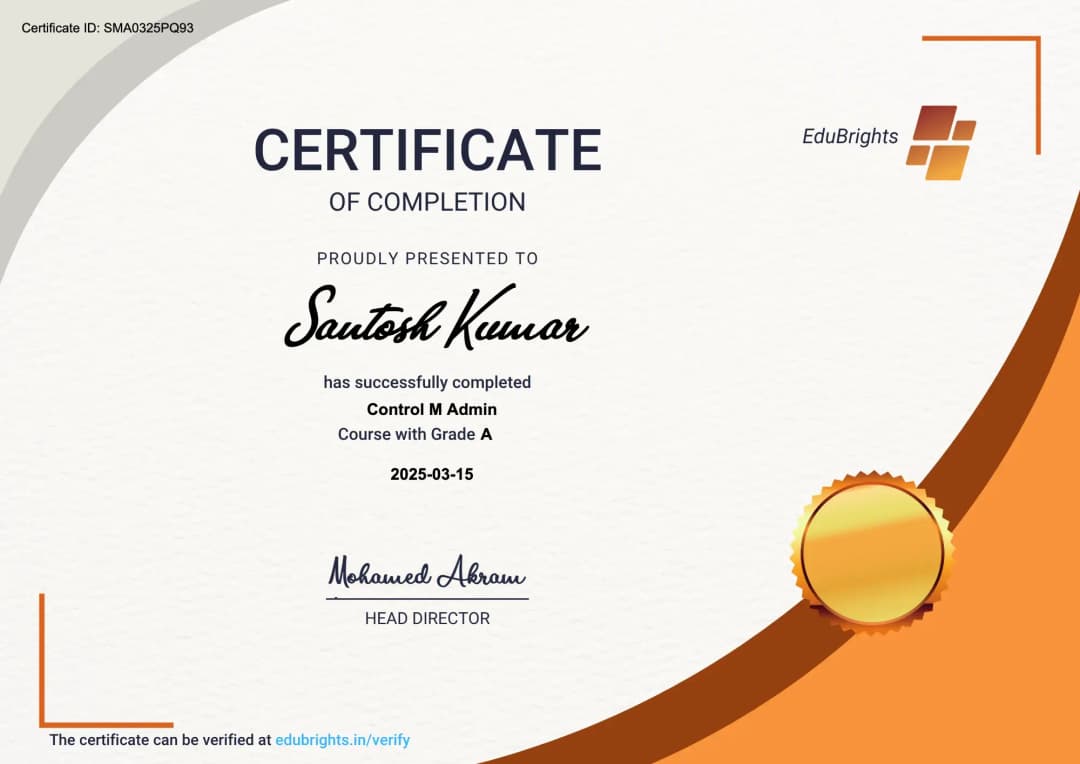
Our institution provides a recognized Kubernetes certification that validates your expertise in deploying, managing, and securing containerized applications using Kubernetes. Through hands-on projects and comprehensive training, you will develop job-ready skills for cloud-native environments.
Course FAQs
1. What is Kubernetes?
Kubernetes is an open-source platform for automating container deployment, scaling, and management.
2. Why use Kubernetes instead of Docker alone?
Kubernetes manages clusters of containers across multiple hosts, providing high availability and scalability beyond single Docker containers.
3. What are pods in Kubernetes?
Pods are the smallest deployable units that contain one or more containers managed together.
4. What is a ReplicaSet?
ReplicaSet ensures a specified number of pod replicas are running to provide fault tolerance.
5. How does Kubernetes handle networking?
Kubernetes provides services for service discovery, load balancing, and network policies to manage communication between pods.
6. What is Helm?
Helm is a package manager for Kubernetes, simplifying application deployment with reusable templates called charts.
7. Can Kubernetes run on cloud platforms?
Yes, Kubernetes supports deployment on cloud providers like AWS, Azure, Google Cloud, and hybrid or on-premises environments.
8. What certifications are available for Kubernetes?
Popular certifications include Certified Kubernetes Administrator (CKA) and Certified Kubernetes Application Developer (CKAD).
9. How is security managed in Kubernetes?
Security involves RBAC, network policies, secrets management, and authentication mechanisms.
10. Is Kubernetes suitable for production workloads?
Yes, Kubernetes is widely used in production environments for reliable, scalable container orchestration.
Get Training Quote for Free
Testimonials
Hear What Our Students Say
"Transform your life through Education, hear it from our Alumni"

6 LPA
Fathima
Student
Software Engineer
"Transform your life through Education, hear it from our Alumni"

8 LPA
Siddharth
NIELSON IQ
Data Analyst
"Transform your life through Education, hear it from our Alumni"

8 LPA
Rahul
Student
Data Scientist