Course Objectives
1. What will I learn by taking the Flask course in Bangalore?
You'll build a solid understanding of the core concepts, terminology, and fundamentals of Flask, giving you a strong foundation to build on.
2. What hands-on skills will I gain from the Flask training?
You'll get hands-on experience with industry-relevant Flask tools and workflows through guided exercises, so you learn by doing rather than just reading theory.
3. How does the Flask course prepare me for real-world work?
The Flask course is designed around how Flask is actually applied to solve real-world problems in professional settings, not just textbook scenarios.
4. What practical, job-ready skills will I build during Flask training in Bangalore?
You'll develop the practical skills needed to confidently work with Flask on the job, so you're ready to contribute from day one in a Flask role.
5. Will I work on real projects during the Flask course?
Yes, the Flask course includes real-time projects and case studies that reinforce concepts through practice, giving you portfolio-ready work by the end.
6. How does the Flask course help with certification and job interviews?
The Flask course is structured to help you prepare for relevant certifications and interviews, covering the concepts and terminology employers and exam boards expect.
Popular Techniques Covered in This Course
1.Python fundamentals
2.HTTP methods and web development concepts
3.Understanding of routing and REST architecture
4.Basic HTML and Jinja2 templating
5.Database management and ORM (SQLAlchemy)
6.Form handling and validation
7.User authentication and security
8.Debugging and testing
9.App deployment strategies
10.Version control with Git
11.Performance Optimization
12.Soft Skills
Get Hands-on Knowledge about Real-Time Projects
Project 1
Project 1: Student Management System
Develop a web application to manage student records, course enrollments, attendance, authentication, and reporting using Flask and SQLAlchemy.
Project 2
Project 2: E-Commerce Web Application
Build an online shopping platform with product management, user registration, shopping cart, order processing, and payment-ready architecture.
Project 3
Project 3: REST API for Inventory Management
Create secure RESTful APIs for inventory management with CRUD operations, authentication, API testing, and database integration.
Project 4
Project 4: Blog and Content Management System
Develop a blogging platform with user authentication, content publishing, comments, categories, search functionality, and admin management.
Project 5
Project 5: Employee Portal Dashboard
Design a web-based employee management portal featuring login, profile management, leave requests, reports, dashboards, and role-based access control.
Key Features
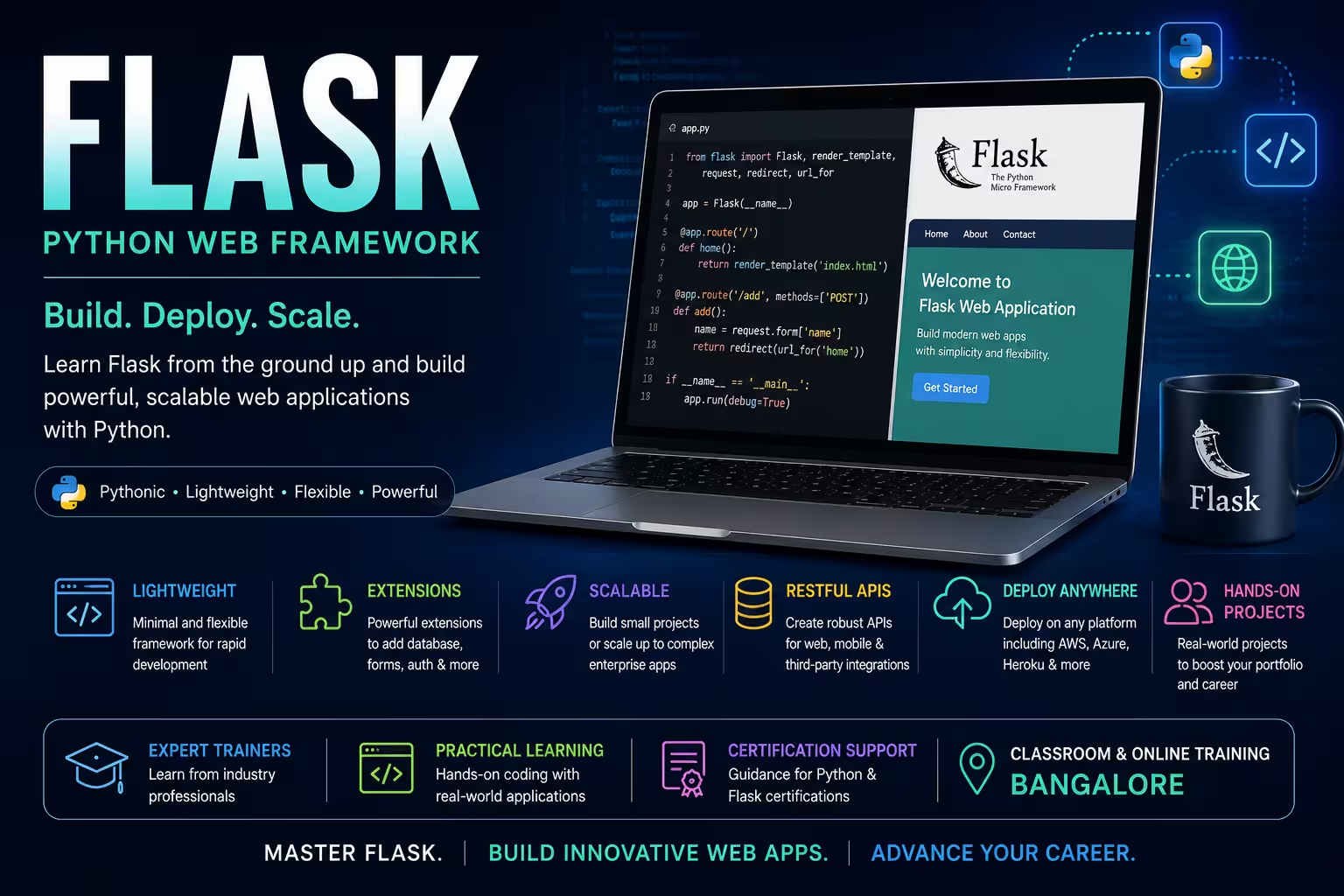
Edubrights offers Flask Training in virtual mode with expert trainers. Here are the key features,
40 Hours Course Duration
100% Job Oriented Training
Industry Expert Faculties
Free Demo Class Available
Completed 500+ Batches
Certification Guidance
Curriculum
Module 1: Introduction to Flask
- What is Flask and why use it?
- Setting up the Flask development environment
- Project structure and configuration
Module 2: Basics of Web Application Development
- Creating routes and handling requests
- Using templates with Jinja2
- HTML rendering and static files
Module 3: Forms and User Input
- Handling GET/POST requests
- Using Flask-WTF for form validation
- Managing user data
Module 4: Database Integration
- Setting up and connecting databases (SQLite, PostgreSQL)
- ORM with SQLAlchemy
- Database migrations
Module 5: User Authentication and Security
- Creating user login and registration
- Managing sessions and cookies
- Implementing security best practices
Module 6: RESTful API Development
- Building RESTful endpoints
- Handling JSON data
- Using Flask-RESTful or similar extensions
Module 7: Advanced Features
- Blueprints for modular applications
- Error handling and logging
- Custom middleware
Module 8: Testing and Debugging
- Writing unit and integration tests
- Debugging tools and techniques
Module 9: Deployment and Best Practices
- Preparing apps for production
- Deploying on platforms (Heroku, AWS, etc.)
- Environment variables and configuration management
Module 10: Capstone Project and Review
- Building and deploying a complete web application
- Code review and presentation
- Final Q&A and certification preparation
Receive Training From Our Skilled and Effective Trainers
Experience in the Industry Gain expertise from Flask professionals training in Bangalore who have applied their skills on live projects across corporate, product, and consulting environments, bringing practical, real-world context into every Flask session.
Backgrounds at the Top Our Flask trainers in Bangalore bring hands-on industry experience, having worked on real Flask projects for organizations across various industries before moving into training.
Clear & Effective Teaching Core Flask concepts, tools, and workflows are explained using real project examples and practical scenarios, so you understand not just the theory but how Flask is actually used on the job.
Hands-On Learning Focus Students get structured, hands-on practice with Flask through guided exercises, mini-projects, and lab work designed to build practical, job-ready skills.
Up-to-Date Knowledge Trainers keep the Flask curriculum current with the latest tools, versions, and industry best practices, so what you learn stays relevant to how Flask is used today in Bangalore and beyond.
Succeed Our Resourceful Certification
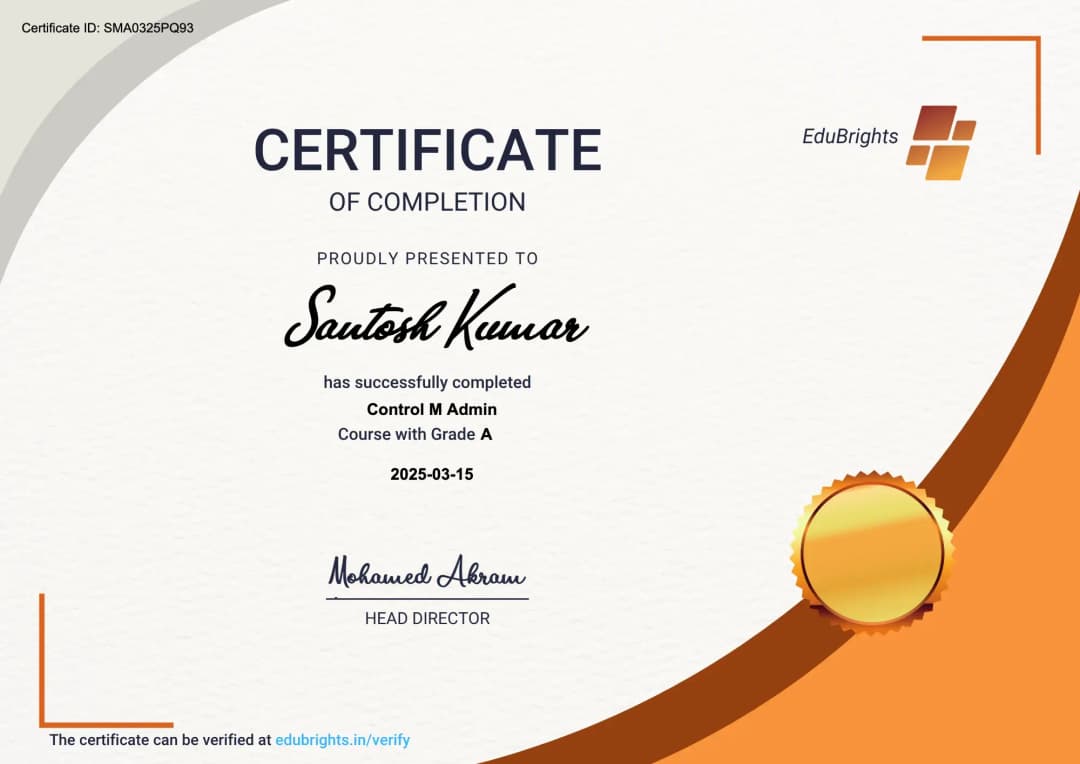
Our institution provides a recognized Flask certification that validates your proficiency in web application development using Flask. This certification demonstrates hands-on expertise with building, securing, and deploying real-world Python web projects. Stand out to employers with practical, industry-relevant skills.
Course FAQs
1. What is the duration of the Flask course in Bangalore?
The Flask course in Bangalore typically runs from a few weeks up to a couple of months, depending on whether you choose a weekday, weekend, or fast-track batch. Institutes in Bangalore offer flexible schedules so working professionals and students can complete Flask training without disrupting their routine.
2. Who can enroll in Flask training in Bangalore?
Freshers, graduates, working professionals, and career switchers can all enroll in Flask training in Bangalore. Most institutes don't require prior technical experience for the Flask course, though a basic understanding of computers is usually helpful before you start.
3. Is the Flask course available in online and classroom formats in Bangalore?
Yes, most Flask training providers in Bangalore offer online, in-person classroom, and hybrid formats, so you can pick the mode that suits your schedule, location, and learning style.
4. What topics are covered in the Flask course syllabus?
The Flask course in Bangalore typically covers core concepts, essential tools, and practical, hands-on exercises, building up from fundamentals to real-world application so you can use Flask confidently in a professional setting.
5. Will I receive a certificate after completing the Flask course in Bangalore?
Yes, learners receive a course-completion certificate after finishing Flask training in Bangalore. This certificate can be added to your resume and LinkedIn profile as proof of your Flask skills.
6. Does Flask training in Bangalore include placement assistance?
Many institutes offering Flask courses in Bangalore provide placement support such as resume reviews, mock interviews, and introductions to hiring partners, helping graduates find relevant job opportunities after training.
7. What career opportunities are available after the Flask course in Bangalore?
Completing a Flask course in Bangalore can open up roles across IT services firms, product companies, and startups active in the city's tech hubs such as Whitefield, Electronic City, and Koramangala, depending on your prior background and experience.
8. How is structured Flask training in Bangalore different from free online resources?
Structured Flask training in Bangalore offers guided instruction, hands-on projects, doubt-clearing sessions, and mentor support — elements that are hard to replicate through scattered, free online resources alone.
9. Do I need a technical background to learn Flask in Bangalore?
A technical background can help but usually isn't mandatory for Flask training in Bangalore. Beginner-friendly batches in Bangalore start from the basics, so motivated learners from non-technical backgrounds can also follow along.
10. How do I choose the right institute for Flask training in Bangalore?
When choosing a Flask training institute in Bangalore, look at trainer experience, how current the curriculum is, the amount of hands-on project work, batch sizes, and post-training support — these matter more than price alone.
11. Are weekend batches available for the Flask course in Bangalore?
Yes, most Flask training institutes in Bangalore run dedicated weekend batches alongside weekday and fast-track options, making it easier for working professionals to complete Flask training without taking time off work.
12. Will I work on real-time projects during Flask training?
Reputable Flask courses in Bangalore include real-time projects and case studies alongside theory, so you leave with practical, portfolio-ready experience rather than just conceptual knowledge of Flask.
13. What is the typical batch size for Flask training in Bangalore?
Most Flask training providers in Bangalore keep batch sizes small so trainers can give individual attention, answer questions in depth, and adapt the pace of the Flask course to the group's progress.
14. Who typically teaches the Flask course in Bangalore?
Flask courses in Bangalore are usually taught by trainers with hands-on industry experience, which means lessons tend to reflect current tools and practices rather than purely academic material.
15. Is prior coding experience required for the Flask course?
Depending on the specific topic, some Flask courses in Bangalore assume basic familiarity with computers or logic, while others are fully beginner-friendly. It's worth checking the exact prerequisites listed for the Flask batch you're considering.
16. Can I attend a demo class before enrolling in Flask training in Bangalore?
Many Flask training institutes in Bangalore offer a free demo or trial session, letting you evaluate the trainer's teaching style and course structure before committing to the full Flask program.
17. How much does the Flask course cost in Bangalore?
Fees for Flask training in Bangalore vary by institute, course depth, and format (online vs classroom), so it's best to compare a few providers directly and check what's included, such as materials, projects, and placement support.
18. Is the Flask training in Bangalore suitable for corporate or group training?
Yes, several Flask training providers in Bangalore offer customized corporate batches for teams, with schedules and content adjusted to match an organization's specific tools, workflows, and skill gaps.
19. How is Flask training in Bangalore kept up to date with industry trends?
Established Flask training providers in Bangalore regularly refresh their curriculum to reflect current tools, versions, and industry practices, so what you learn stays relevant to what employers are actually using.
20. What support is available after completing the Flask course in Bangalore?
Beyond the Flask course itself, many institutes in Bangalore offer post-training support such as doubt-clearing sessions, access to updated materials, and continued placement assistance as you begin applying for Flask-related roles.
Get Training Quote for Free
Testimonials
Hear What Our Students Say
"Transform your life through Education, hear it from our Alumni"

6 LPA
Fathima
Student
Software Engineer