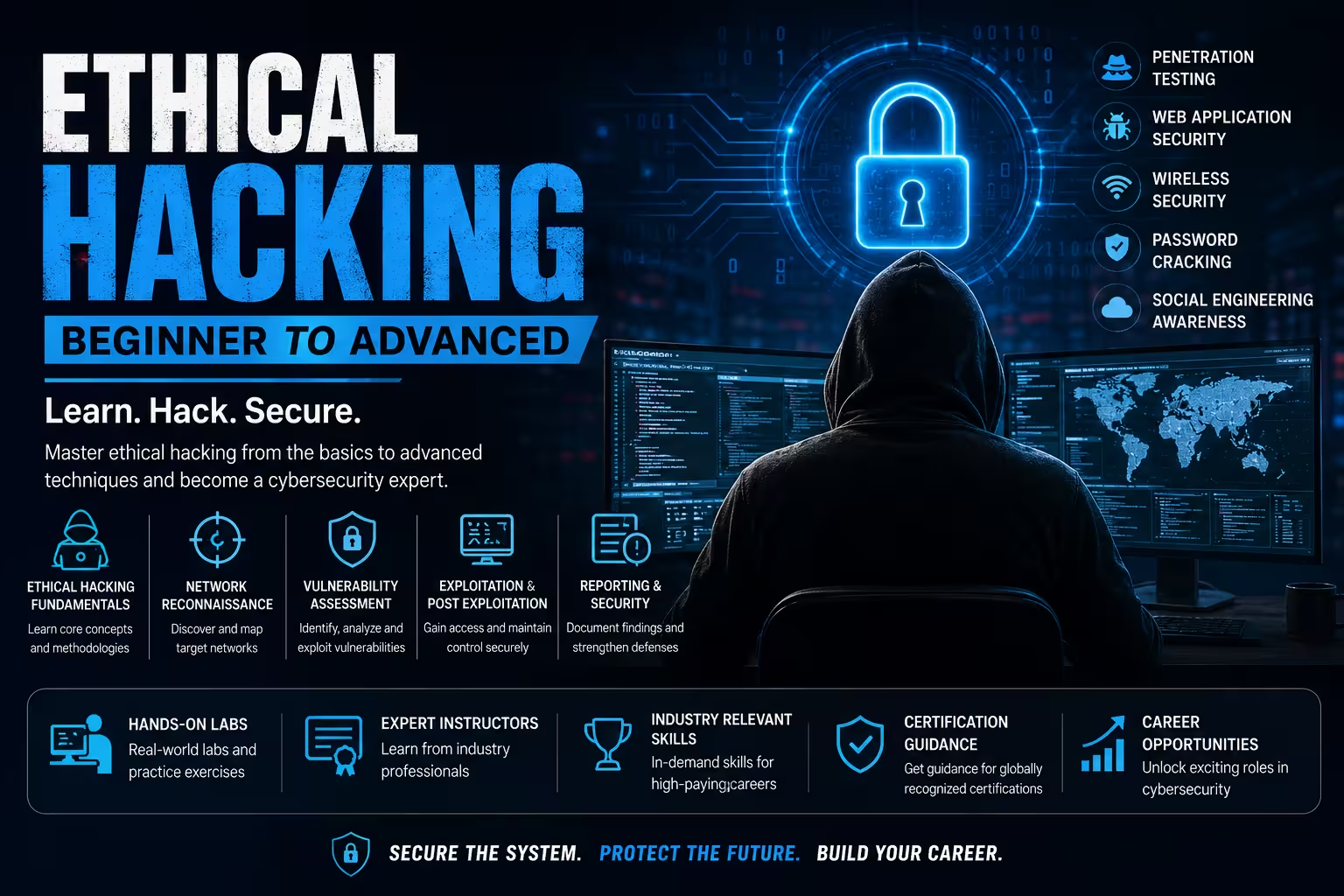
Course Objectives
1. What is Ethical Hacking and why is it important in cybersecurity?
Learn how ethical hacking helps organizations identify security weaknesses before attackers exploit them and improve overall system protection.
2. Why do organizations hire ethical hackers?
Understand how penetration testing helps prevent cyberattacks, data breaches, financial loss, and reputational damage.
3. Which technologies are used in Ethical Hacking?
Explore networking protocols, Linux, Windows security, Kali Linux, penetration testing tools, vulnerability scanners, and exploitation frameworks.
4. How does Ethical Hacking improve cybersecurity?
Learn how vulnerability assessment, threat detection, and penetration testing strengthen system security and reduce cyber risks.
5. What skills are required to become a Professional Ethical Hacker?
Develop practical skills in networking, Linux, penetration testing, vulnerability analysis, scripting, and security auditing.
Popular Techniques Covered in This Course
Cybersecurity fundamentals
Networking basics for hacking
Linux (Kali Linux) usage
Footprinting and reconnaissance
Scanning and enumeration
Vulnerability assessment
System hacking techniques
Password cracking methods
Web application security
SQL injection attacks
Get Hands-on Knowledge about Real-Time Projects
Project 1
1. Network Penetration Testing Project
Perform vulnerability scanning and penetration testing on a simulated network environment to identify security weaknesses and recommend mitigation strategies.
Project 2
2. Web Application Security Testing Project
Test a web application for vulnerabilities like SQL injection, XSS, and authentication flaws using ethical hacking tools and reporting findings.
Project 3
3. Password Security Analysis Project
Analyze password strength and perform controlled cracking simulations to understand authentication weaknesses and improve security policies.
Project 4
4. Wireless Network Security Project
Evaluate Wi-Fi network security, identify encryption weaknesses, and demonstrate secure configuration practices for enterprise environments.
Project 5
5. Cyber Attack Simulation Project
Simulate real-world cyberattacks in a controlled environment and document attack vectors, exploitation methods, and defense strategies.
Key Features
Edubrights offers Ethical Hacking – Beginner to Advanced Training in virtual mode with expert trainers. Here are the key features,
40 Hours Course Duration
100% Job Oriented Training
Industry Expert Faculties
Free Demo Class Available
Completed 500+ Batches
Certification Guidance
Curriculum
Module 1: Ethical Hacking Career Pathway
- CEH vs. OSCP vs. GPEN vs. eCPPT comparison
- Building a hacking lab: Kali, Parrot OS, VMs
- CTF platforms: HackTheBox, TryHackMe, VulnHub
- Study roadmap: Beginner to advanced
- Ethical and legal responsibilities
Module 2: Advanced Reconnaissance
- OSINT advanced techniques: LinkedIn, GitHub, Pastebin
- Automated OSINT: SpiderFoot, Amass, FOCA
- Infrastructure mapping
- Adversary simulation recon workflow
- Building a target profile
Module 3: Network Scanning Advanced
- Nmap scripting engine (NSE)
- Stealth scanning techniques: FIN, NULL, Xmas scans
- Evading firewalls and IDS during scanning
- Masscan for large-scale scanning
- Service and version detection advanced
Module 4: Exploitation with Metasploit
- Metasploit architecture: Modules, payloads, encoders
- Exploiting services: EternalBlue, vsftpd, UnrealIRCd
- Meterpreter advanced commands
- Post-exploitation modules
- Custom exploit development concepts
Module 5: Active Directory Attacks
- AD enumeration with BloodHound
- Kerberoasting and AS-REP roasting
- Pass-the-hash and pass-the-ticket
- DCSync and golden ticket attacks
- AD attack path analysis
Module 6: Advanced Web Application Attacks
- Advanced SQL injection: Blind, time-based, OOB
- Server-side request forgery (SSRF)
- XML external entity (XXE) injection
- Insecure deserialization
- Business logic vulnerabilities
Module 7: Advanced Exploitation Techniques
- Buffer overflow fundamentals
- SEH-based buffer overflows
- Return-oriented programming (ROP) concepts
- Format string vulnerabilities
- Fuzzing with boofuzz and AFL
Module 8: Evasion Techniques
- Antivirus evasion: Obfuscation, packing, encryption
- AMSI bypass techniques
- EDR evasion concepts
- C2 traffic obfuscation
- Living off the land (LOLBins)
Module 9: Wireless and Mobile Hacking Advanced
- WPA2 Enterprise attacks
- PMKID capture and cracking
- Rogue AP and evil twin attacks
- Mobile application hacking with MobSF
- SSL pinning bypass on Android
Module 10: Cloud Penetration Testing
- AWS penetration testing: IAM privilege escalation, S3 enumeration
- Azure AD attacks: Token theft, consent phishing
- GCP security testing basics
- Cloud misconfigurations: Pacu, ScoutSuite
- Cloud pentesting scope and authorisation
Module 11: CTF Challenges and Practice
- Solving HackTheBox machines: Easy to Hard
- TryHackMe learning paths
- OSCP-style practice machines
- CTF toolkits and methodology
- Building a CTF writeup portfolio
Module 12: Capstone and Certification Prep
- Full penetration test simulation: External to internal
- Penetration test report writing (professional standard)
- OSCP exam preparation strategy
- CEH v13 exam preparation
- Career roadmap: Junior to senior pentester
Receive Training From Our Skilled and Effective Trainers
Experience in the Industry Learn from offensive security professionals who have conducted full-scope penetration tests, red team engagements, and CTF coaching with measurable student outcomes.
Backgrounds at the Top Our instructors hold OSCP, CEH Master, and eCPPT certifications, with hands-on experience in enterprise network exploitation, AD attacks, and cloud penetration testing.
Clear & Effective Teaching Complex exploitation techniques are broken into digestible modules with live demonstrations, ensuring students build from fundamentals to advanced skills progressively.
Hands-On Learning Focus Students complete over 40 hands-on labs including HackTheBox machine walkthroughs, Metasploit exercises, AD attack chains, and cloud penetration testing scenarios.
Up-to-Date Knowledge Instructors continuously update course content with new CVEs, OSCP exam format changes, updated AD attack techniques, and emerging cloud attack vectors.
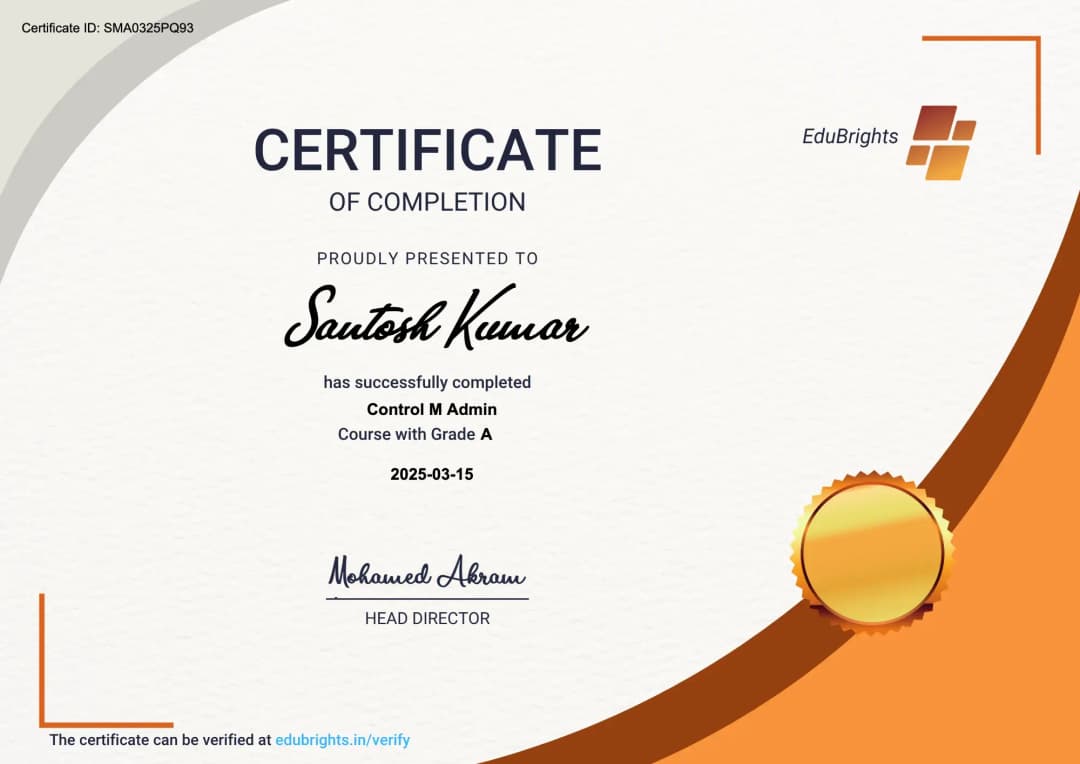
About Our Course Certification*
Our institution offers a recognized Ethical Hacking – Beginner to Advanced certification. This certification enhances your portfolio and prepares you for collaborative projects in real-world environments. Gain practical skills through hands-on training and assessments.
Course FAQs
1. What is Ethical Hacking?
Ethical hacking is the authorized practice of testing computer systems and networks to identify security vulnerabilities and strengthen cybersecurity defenses against potential attacks.
2. Who should learn Ethical Hacking?
Students, IT professionals, cybersecurity enthusiasts, network engineers, and anyone interested in cyber defense, penetration testing, and information security careers can learn this course.
3. Is coding required for Ethical Hacking?
Basic coding knowledge is helpful, especially Python or scripting, but the course begins with fundamentals and gradually introduces necessary technical skills.
4. What is penetration testing?
Penetration testing is a controlled simulation of cyberattacks used to evaluate system security and identify vulnerabilities before real attackers exploit them.
5. Which tools are used in Ethical Hacking?
Common tools include Kali Linux, Metasploit, Nmap, Wireshark, Burp Suite, Hydra, and John the Ripper for security testing and vulnerability analysis.
6. Is Ethical Hacking legal?
Yes. Ethical hacking is legal when performed with proper authorization from system owners to improve security and prevent cyber threats.
7. What is Kali Linux?
Kali Linux is a specialized operating system designed for cybersecurity professionals, containing tools for penetration testing, vulnerability scanning, and digital forensics.
8. What jobs can I get after this course?
You can work as an Ethical Hacker, Penetration Tester, SOC Analyst, Cybersecurity Analyst, Security Consultant, or Vulnerability Assessment Analyst.
9. Does this course include practical hacking labs?
Yes. The course includes hands-on labs, simulated attacks, vulnerability assessments, and real-world cybersecurity scenarios.
10. What is the difference between ethical hacking and cybercrime?
Ethical hacking is legal and performed to improve security, while cybercrime involves unauthorized access and illegal activities.
11. Can beginners learn Ethical Hacking?
Yes. The course starts from cybersecurity basics and gradually advances to penetration testing and advanced hacking techniques.
12. Is Ethical Hacking a good career?
Yes. Cybersecurity is one of the fastest-growing fields with high demand for skilled ethical hackers worldwide.
13. Do ethical hackers work in companies?
Yes. Ethical hackers are hired by companies to test systems, find vulnerabilities, and strengthen cybersecurity defenses.
Get Training Quote for Free
Testimonials
Hear What Our Students Say
"Transform your life through Education, hear it from our Alumni"

8 LPA
Siddharth
NIELSON IQ
Data Analyst
"Transform your life through Education, hear it from our Alumni"

6 LPA
Fathima
Student
Software Engineer
"Transform your life through Education, hear it from our Alumni"

8 LPA
Rahul
Student
Data Scientist