Course Objectives
1. What will I learn in the ELK Stack – DevOps Log Management course?
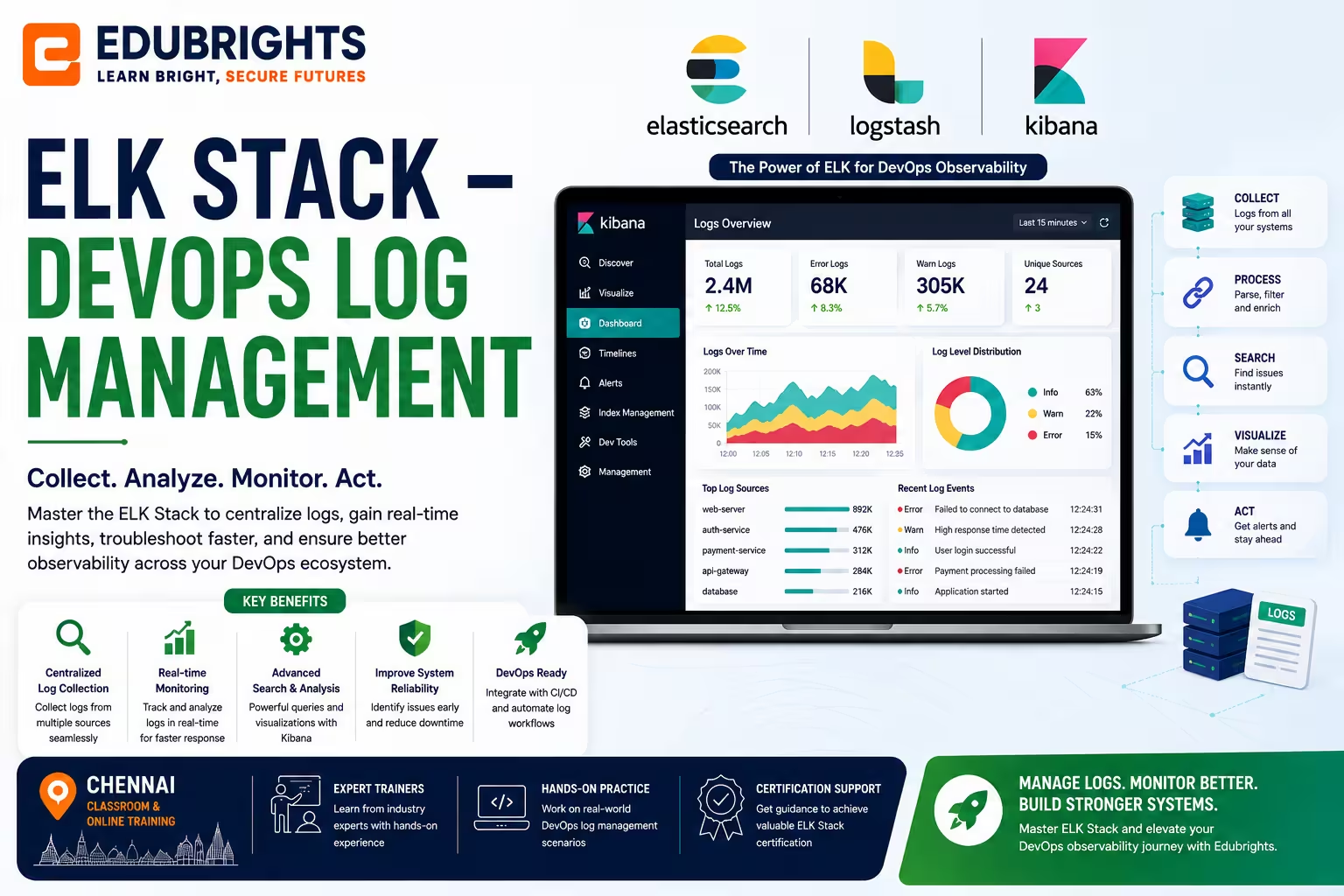
This course teaches how to collect, process, analyze, visualize, and monitor logs using Elasticsearch, Logstash, and Kibana for enterprise DevOps and observability operations.
2. How does ELK Stack help professionals build DevOps and observability expertise?
The training develops practical knowledge in centralized logging, real-time monitoring, data analytics, dashboard visualization, alerting systems, and cloud-native operational intelligence.
3. Will I learn enterprise-level log management and monitoring concepts?
Yes. The course covers Elasticsearch architecture, Logstash pipelines, Kibana dashboards, log indexing, search analytics, monitoring workflows, and enterprise observability strategies.
4. How does this course support DevOps and cloud operations careers?
ELK Stack strengthens expertise required for DevOps engineering, site reliability engineering, cloud operations, cybersecurity monitoring, and enterprise infrastructure management roles.
5. Can I learn centralized logging and analytics techniques?
Yes. The course includes log aggregation, parsing, filtering, indexing, search queries, operational analytics, and enterprise monitoring optimization techniques.
6. Does the course include practical enterprise log management scenarios?
Yes. Learners will collect logs, configure data pipelines, build Kibana dashboards, analyze operational metrics, implement monitoring workflows, and optimize enterprise observability operations.
Popular Techniques Covered in This Course
Elasticsearch Fundamentals
Logstash Pipeline Configuration
Kibana Dashboard Development
Centralized Log Management
Log Parsing & Data Processing
Real-Time Monitoring & Analytics
Search & Query Optimization
Alerting & Notification Management
Infrastructure & Application Monitoring
Enterprise Observability Operations
Get Hands-on Knowledge about Real-Time Projects
Project 1
1: Centralized Application Logging
Set up ELK Stack to collect and monitor logs from multiple applications.
Project 2
2: Web Server Monitoring Dashboard
Build real-time dashboards for web server access and error logs.
Project 3
3: Infrastructure Monitoring System
Implement monitoring for servers and system metrics using ELK.
Project 4
4: Security Event Analysis
Create a solution to analyze security logs and detect anomalies.
Project 5
5: Production Monitoring Pipeline
Develop a complete ELK-based monitoring system for a production environment.
Key Features
Edubrights offers ELK Stack – DevOps Monitoring Training in virtual mode with expert trainers. Here are the key features,
40 Hours Course Duration
100% Job Oriented Training
Industry Expert Faculties
Free Demo Class Available
Completed 500+ Batches
Certification Guidance
Curriculum
Module 1: ELK Stack Overview and Architecture
- ELK Stack components: Elasticsearch, Logstash, and Kibana
- Elastic Stack evolution: Beats, Fleet, and Elastic Agent additions
- ELK use cases: log analytics, APM, security analytics, and uptime
- Deploying ELK Stack with Docker Compose and Kubernetes
Module 2: Beats and Data Shipping
- Filebeat: shipping log files from servers and containers
- Metricbeat: collecting system and service metrics
- Packetbeat: network traffic analysis and protocol monitoring
- Elastic Agent: unified agent replacing individual Beats
Module 3: Logstash Pipeline Development
- Logstash pipeline architecture: inputs, filters, and outputs
- Grok filter: parsing unstructured log messages into structured fields
- Mutate, date, GeoIP, and useragent filter plugins
- Conditional logic in Logstash pipelines
Module 4: Elasticsearch Index Management for Logs
- Index naming conventions and rollover strategy
- Index Lifecycle Management (ILM): hot-warm-cold-delete phases
- Index templates and component templates for log indices
- Data streams for time-series log data management
Module 5: Kibana Discover and Log Analysis
- Kibana Discover: searching, filtering, and exploring log data
- KQL (Kibana Query Language) for log search
- Field statistics and log pattern analysis
- Saved searches and data views for team collaboration
Module 6: Kibana Dashboards and Visualisations
- Log volume visualisations: time series, bar charts, and heat maps
- Error rate and latency dashboards for application monitoring
- Maps: geo-visualisation of log source locations
- Canvas and Lens for custom presentation-quality dashboards
Module 7: Elastic APM and Observability
- Elastic APM overview: application performance monitoring
- APM agent integration: Node.js, Python, Java, and .NET
- APM traces, transactions, and span analysis in Kibana
- Correlating APM data with logs for full-stack observability
Module 8: Capstone Project and Assessment
- ELK Stack deployment and log pipeline for a multi-service application
- ILM policy setup and index management configuration
- Application log dashboard and APM integration project
- Final assessment and course certification
Receive Training From Our Skilled and Effective Trainers
Experience in the Industry Learn from Elastic-certified engineers who have built centralised log management and observability platforms using the ELK Stack for DevOps teams managing distributed applications and cloud infrastructure.
Backgrounds at the Top Our ELK Stack trainers have deployed and operated Elastic Stack environments at technology companies, cybersecurity teams, and managed service providers where log analytics drives operational intelligence.
Clear & Effective Teaching ELK Stack architecture, Beats and Elastic Agent, Logstash pipelines, ILM, Kibana log analysis, dashboards, and Elastic APM are explained with practical DevOps log management and observability examples.
Hands-On Learning Focus Students deploy the ELK Stack, configure log pipelines, manage index lifecycles, build Kibana dashboards, and integrate Elastic APM through comprehensive hands-on lab exercises.
Up-to-Date Knowledge Trainers keep content current with the latest Elastic Stack releases, Elastic Agent and Fleet management, Elasticsearch Serverless, and evolving observability and log management best practices.
You will succeed with our recognized certification
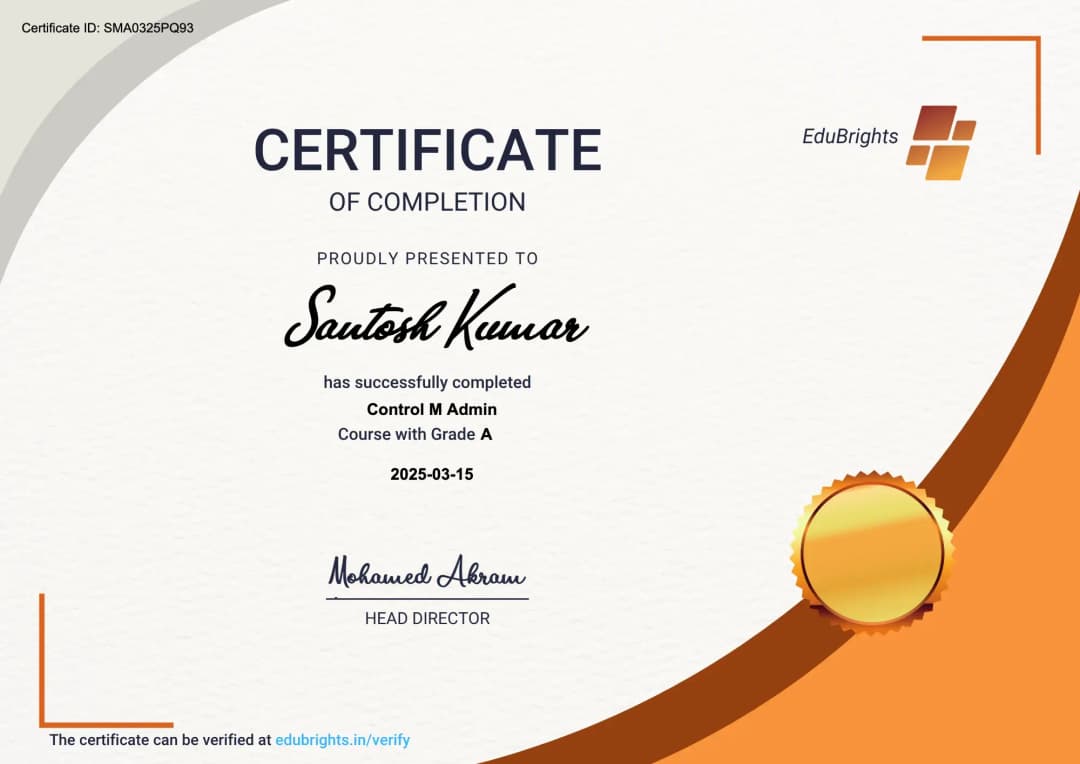
Our institution offers a recognized ELK Stack – DevOps Monitoring certification. This certification enhances your portfolio and prepares you for collaborative projects in real-world environments. Gain practical skills through hands-on training and assessments.
Course FAQs
1. What is ELK Stack?
ELK Stack is a log management and analytics platform consisting of Elasticsearch, Logstash, and Kibana used for centralized logging, monitoring, and observability operations.
2. Who should join the ELK Stack training course?
DevOps engineers, system administrators, cloud engineers, SREs, cybersecurity professionals, and IT professionals can join this course.
3. Are there prerequisites for learning ELK Stack?
Yes. Basic knowledge of Linux, networking, cloud computing, DevOps concepts, and infrastructure management is recommended before learning ELK Stack.
4. What topics are covered in the ELK Stack course?
The course covers Elasticsearch, Logstash pipelines, Kibana dashboards, log management, monitoring, analytics, alerting systems, and enterprise observability workflows.
5. Does the course include practical log management implementation?
Yes. Learners will configure logging pipelines, process operational data, build dashboards, monitor systems, analyze logs, and optimize enterprise monitoring operations.
6. Will I learn Kibana visualization and dashboard concepts?
Yes. The course includes dashboard creation, operational analytics, search visualization, reporting workflows, and enterprise observability visualization practices.
7. How does ELK Stack support DevOps career growth?
The course develops advanced monitoring and observability expertise required for enterprise DevOps, SRE, and infrastructure management roles.
8. Will I learn real-time monitoring and alerting techniques?
Yes. Learners will work with alert configuration, log analytics, operational thresholds, incident monitoring, and enterprise observability management strategies.
9. What industries commonly use ELK Stack solutions?
Industries such as banking, healthcare, retail, telecommunications, SaaS, logistics, gaming, and enterprise IT services widely use ELK Stack technologies.
10. Does the course include cloud-native monitoring and analytics concepts?
Yes. The training covers cloud-native observability, infrastructure monitoring, application analytics, operational intelligence, and enterprise monitoring workflows.
11. Can ELK Stack help professionals transition into DevOps and SRE roles?
Yes. The course provides practical expertise required for monitoring engineering, cloud operations, DevOps automation, and site reliability engineering positions.
12. Will I learn enterprise operational analytics and troubleshooting strategies?
Yes. The course includes operational log analysis, troubleshooting workflows, system diagnostics, performance optimization, and enterprise observability practices.
Get Training Quote for Free
Testimonials
Hear What Our Students Say
"Transform your life through Education, hear it from our Alumni"

8 LPA
Siddharth
NIELSON IQ
Data Analyst
"Transform your life through Education, hear it from our Alumni"

6 LPA
Fathima
Student
Software Engineer
"Transform your life through Education, hear it from our Alumni"

8 LPA
Rahul
Student
Data Scientist